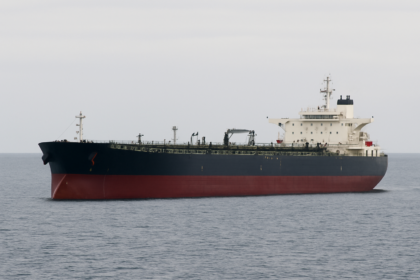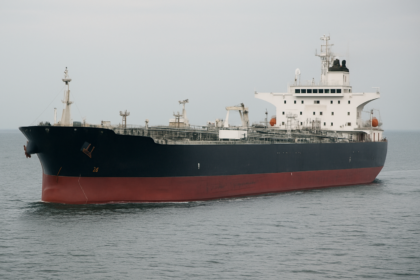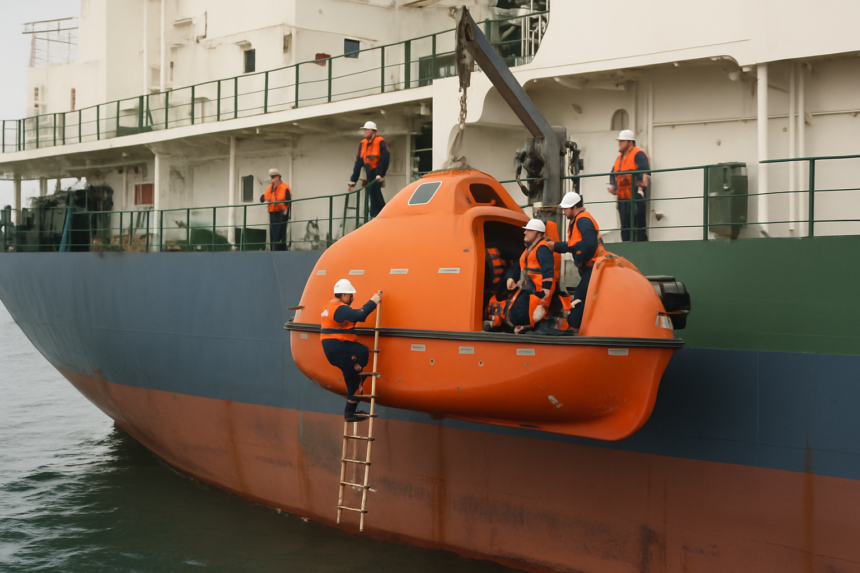
The International Maritime Organization (IMO) has initiated a mass evacuation process for over 11,000 seafarers currently stranded in the Persian Gulf, a significant action following the recent peace agreement between the United States and Iran. IMO Secretary-General Arsenio Dominguez announced the details of the operation, highlighting the cooperative effort involving Iran, Oman, and other regional coastal states, as well as the U.S. and the maritime industry.

The Evacuation Plan
According to Dominguez, the evacuation operation is designed to address the difficulties that thousands of innocent seafarers have faced amid escalating tensions and threats to maritime safety. The IMO’s plan, which was initially developed in March, arose when numerous ships became trapped due to conflict-related attacks, mines, and the closure of the vital Strait of Hormuz. At its peak, estimates indicated approximately 20,000 seafarers aboard around 3,200 vessels were unable to navigate safely through the region.
The ongoing operation employs a phased approach, as outlined in a navigation warning issued by Oman’s National Hydrographic Office. This strategy involves the organized departure of vessel groups coordinated with Omani authorities to ensure a gradual and secure evacuation process in light of heightened safety risks. Currently, the document suggests that the existing Traffic Separation Scheme (TSS) is deemed unsafe, necessitating alternative routes through the Strait.

Navigation Routes and Safety Measures
Vessels departing the Gulf now have access to two newly established temporary routes: one to the south and another to the north of the TSS. The southern corridor will be managed in cooperation with Oman and the IMO, while the northern route aligns with Iran’s increasing efforts to oversee shipping traffic through the Strait. As each vessel is contacted individually regarding departure schedules, they will be directed to designated waiting areas in international waters before receiving further navigation instructions from the appropriate coastal authorities.
Seafarers are required to keep their Automatic Identification System (AIS) transmissions operational and adhere to the directives issued by coastal authorities using VHF communications. The IMO has confirmed it has obtained safety guarantees and thoroughly verified navigation conditions to aid the evacuation while acknowledging that threats remain from mines, impacting traffic management and routing decisions.
The Operational Read
This large-scale evacuation operation marks a pivotal moment for maritime security in the Persian Gulf, emphasizing the complexities operators face when navigating regional conflicts and safety protocols. Shipping companies must adapt their strategies to comply with newly implemented routing measures, while crews will need to remain vigilant regarding AIS regulations and communication with coastal authorities during transit. Observing the cooperation among various stakeholders, including Iran and Oman, will be essential as the shipping community navigates potential risks in the Strait of Hormuz. The effectiveness of this evacuation plan may serve as a benchmark for future operations in similarly volatile regions, shaping international maritime policy and risk management approaches.