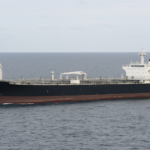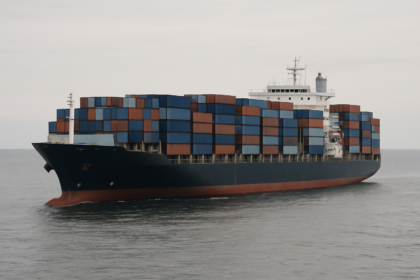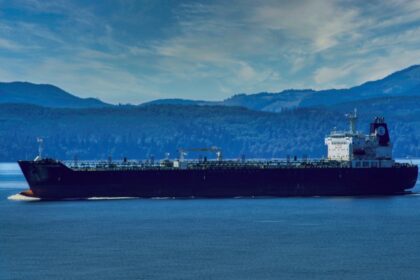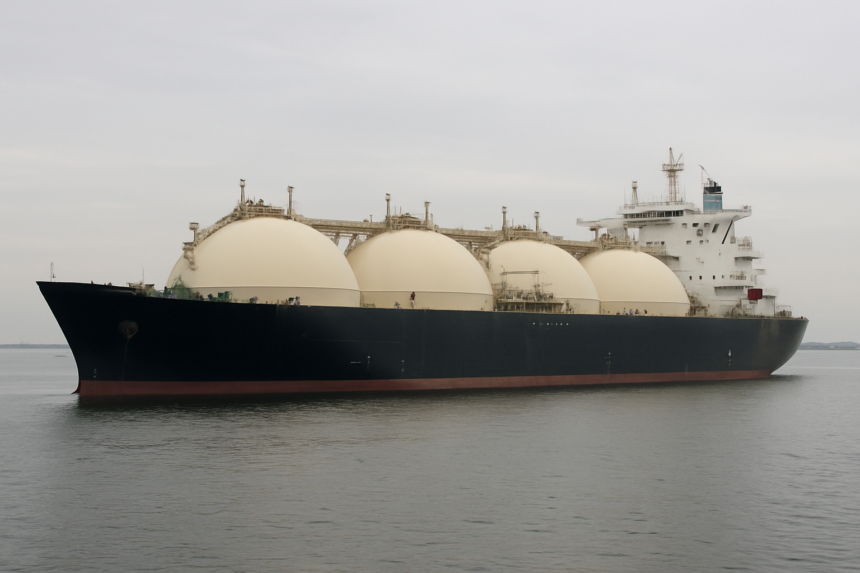
New York-listed Dorian LPG has announced the ordering of a new very large gas carrier (VLGC) at HD Hyundai, marking a significant step in the company’s fleet renewal strategy. The new vessel, measuring 90,000 cubic meters in capacity, is scheduled for delivery in July 2029. This development occurs against a backdrop of a robust market for VLGCs, prompting operators to invest in modern and efficient vessels.
Fleet Modernization Strategy
The decision to acquire a new VLGC follows Dorian LPG’s awareness of market dynamics that favor new builds capable of meeting current environmental and operational standards. By investing in new tonnage, Dorian LPG aims to improve its operational efficiencies and position itself competitively in a thriving gas transportation sector.
To streamline its operations further, Dorian LPG has also divested three older vessels from its fleet. The company’s actions reflect a broader trend within the shipping industry where aging assets are increasingly being replaced as part of an effort to comply with tighter environmental regulations and address the growing demand for cleaner maritime operations.

Market Implications
Strong freight rates in the VLGC segment have incentivized shipowners to modernize fleets, enhancing their capabilities and offering improved fuel efficiency. As demand for liquefied natural gas (LNG) continues to rise, the need for well-equipped carriers, such as those being delivered around 2029, is expected to grow substantially. The order placed by Dorian LPG illustrates how operators are adapting to market conditions to capitalize on emerging opportunities.
Behind the Headline
Dorian LPG’s strategic order emphasizes the importance of fleet renewal particularly in the context of a competitive and expanding freight market. By focusing on newer vessels, operators can optimize their operational costs while complying with an increasingly stringent regulatory environment regarding emissions and fuel use. This trend towards modernization is likely to continue as companies seek to enhance their market position and meet the evolving demands of global gas transportation.