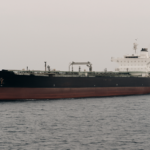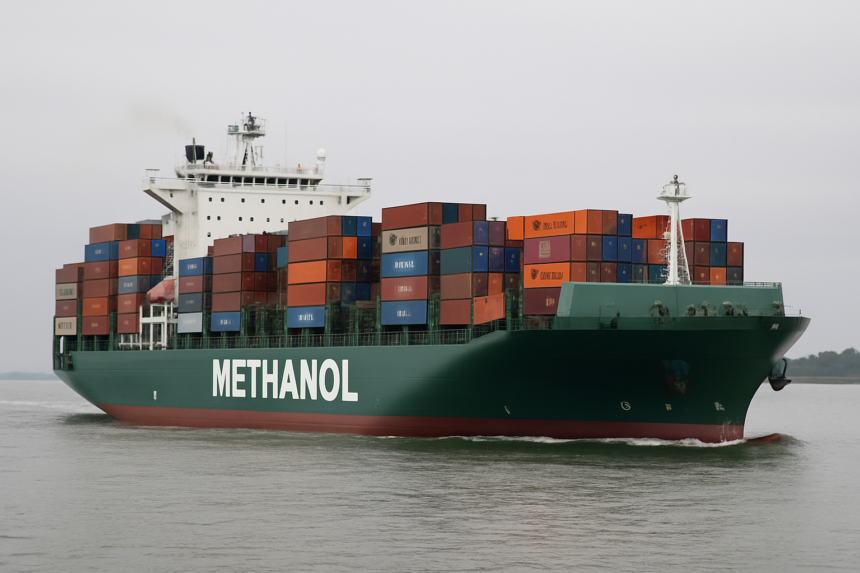
Japan’s Tsuneishi Shipbuilding recently announced the delivery of its third methanol dual-fuel container vessel, which has a capacity of 5,900 TEU. This addition marks a significant step in expanding the operational capabilities of the container shipping sector as it transitions towards more sustainable fuel alternatives.
Technological Advancements
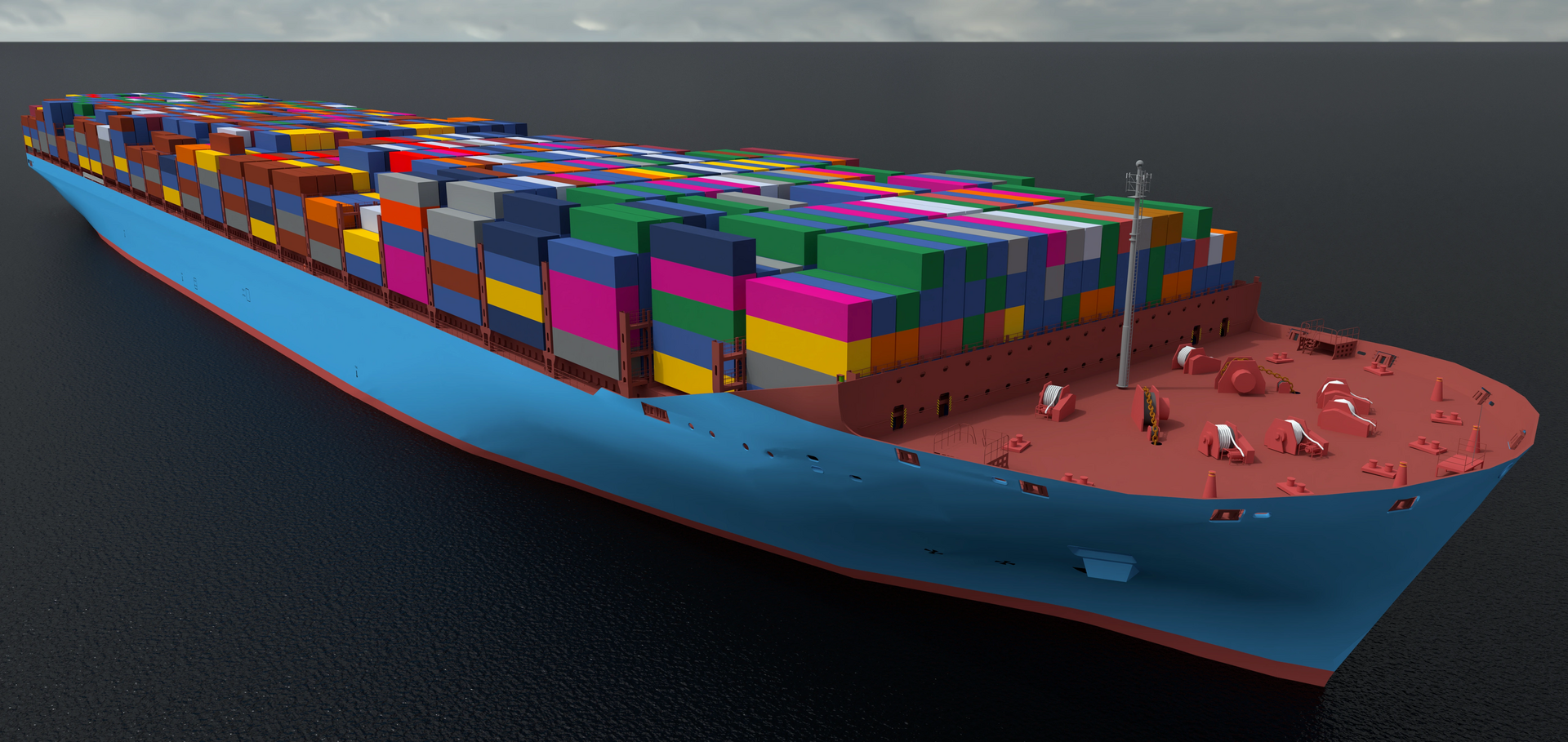
The newly delivered vessel is designed to run on both methanol and conventional marine fuels, providing operators with greater flexibility and resilience in fuel procurement and reducing greenhouse gas emissions. This delivery aligns with global trends focusing on hybrid and alternative fuel sources in maritime operations.
Market Context
The shipbuilder has yet to officially release the name of the owning company; however, visual confirmations indicate that A.P. Moller – Maersk is likely to be the owner. This move is consistent with Maersk’s strategy of investing in methanol-capable vessels to meet increasing regulatory demands and sustainability goals.

Data from DNV indicates that there are currently 138 methanol-capable vessels in global operation. The sector is projected to see substantial growth, with 317 additional vessels slated for delivery through 2030. Notably, the container shipping segment leads the market with 77 methanol-capable vessels already operational and an additional 173 on order.
Behind the Headline
The delivery of Tsuneishi’s methanol dual-fuel boxship underscores the industry’s ongoing transition towards sustainability and compliance with stringent emissions regulations. Operators are expected to closely monitor advancements in fuel availability and prices as more methanol vessels enter the market. The growing methanol-capable fleet indicates a broader shift in operational practices across shipping, highlighting the need for logistical adjustments and fuel supply chain management. Stakeholders should remain vigilant regarding technological developments and their implications for maritime fuel strategies moving forward.