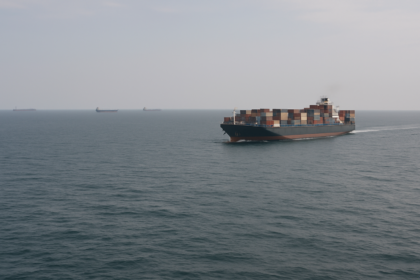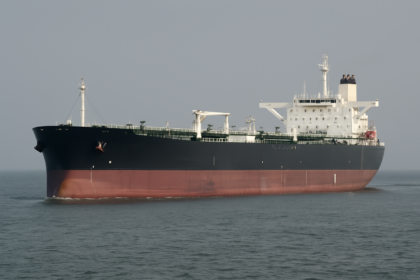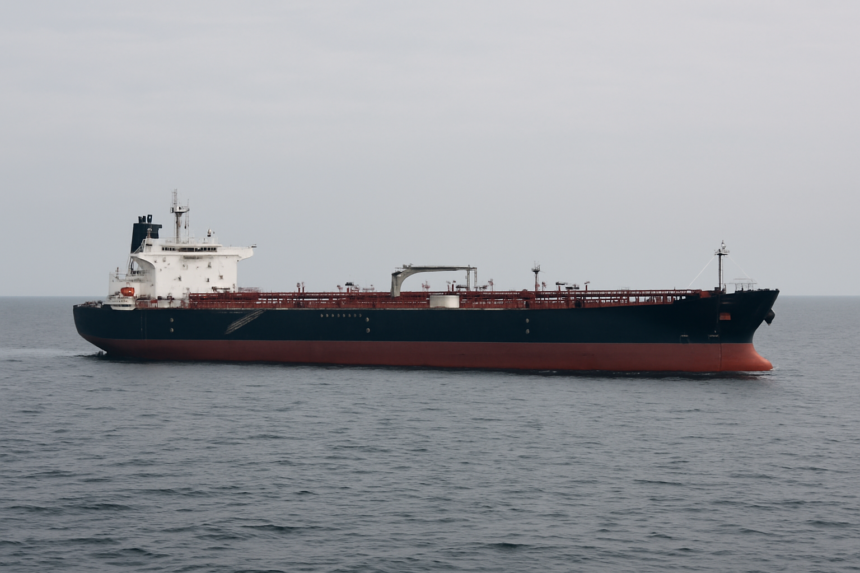
The recent signing of a peace agreement between the United States and Iran is signaling a potentially transformative moment for maritime operations in the Strait of Hormuz. Following months of disruption, shipbroker Gibson has reported an increasing likelihood of reduced hostilities in the region, contingent upon the adherence to the terms outlined in the memorandum of understanding (MOU) signed by both nations.

The Peace Agreement
The MOU, which includes key points addressing cessation of hostilities among involved parties, aims to reinstate normal trading conditions by lifting both US and Iranian blockades. This includes the return of frozen Iranian assets and sanctions relief in exchange for assurances of non-pursuit of nuclear weapon capabilities. A comprehensive agreement is expected to be negotiated within 60 days and codified through a binding UN Security Council resolution.
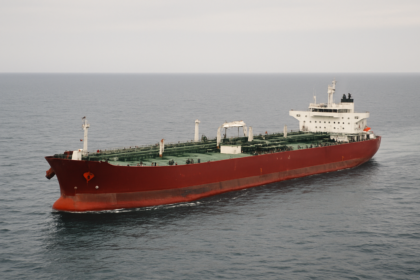
Reports indicate that several Iranian Very Large Crude Carriers (VLCCs) and Suezmaxes have successfully crossed the US blockade with their Automatic Identification Systems (AIS) operational. This suggests a marked improvement in maritime freedoms and compliance with the MOU. However, while transits through the Strait of Hormuz are witnessing an uptick, analysts caution that returning to pre-war shipping volumes may face challenges over the next month.


Market Implications
Shipping operators are closely monitoring the evolving situation in the Strait of Hormuz, which is pivotal for international oil flows. While the volume of cargo available for transit has risen, owner reluctance continues to influence the willingness to navigate the Strait at full capacity. As safety perceptions improve, particularly regarding security protocols and research into increased freight rates, the industry expects transits to gradually develop.
In terms of oil supply dynamics, the International Energy Agency has expressed optimism regarding a swift recovery in Middle Eastern crude output. Key producers such as Saudi Arabia and the UAE possess substantial excess capacity, enabling them to potentially ramp up production and fulfill global demand. However, refinery operations may lag due to damage sustained during conflicts, with full recovery unlikely until after 2027. This disparity could pressure product markets differently than crude, complicating strategies for refiners.
The Operational Read
The peace accord between the US and Iran presents a cautiously optimistic path for maritime operations in the Strait of Hormuz. Shipping operators should remain vigilant, as the evolving risk landscape will directly impact freight premiums and vessel positioning. The dynamics of increased Iranian oil exports and broader OPEC+ policies will influence global supply chains, especially with predictions of production recovery. However, potential volatility in insurance costs and fluctuating demand remain key factors as the market adapts. Monitoring ongoing developments and adjusting operational strategies will be essential for maximizing cargo efficiencies while maintaining strong compliance with international regulations.