From Engine Room to Emissions Analytics: The Future of Maritime Efficiency
Introduction
The maritime industry has always been driven by efficiency, reliability, and innovation. However, today’s shipping sector faces unprecedented challenges. Stricter environmental regulations, rising fuel costs, and increasing pressure to reduce greenhouse gas emissions have transformed the way vessels are operated and managed.
As someone who has worked both onboard as a Trainee Marine Engineer and ashore in vessel performance and emissions analytics, I have witnessed this transformation firsthand. Modern shipping is no longer solely dependent on mechanical expertise; it increasingly relies on data-driven decision-making, performance monitoring, and environmental compliance.

The future of maritime operations lies in the successful integration of engineering knowledge with advanced analytics.
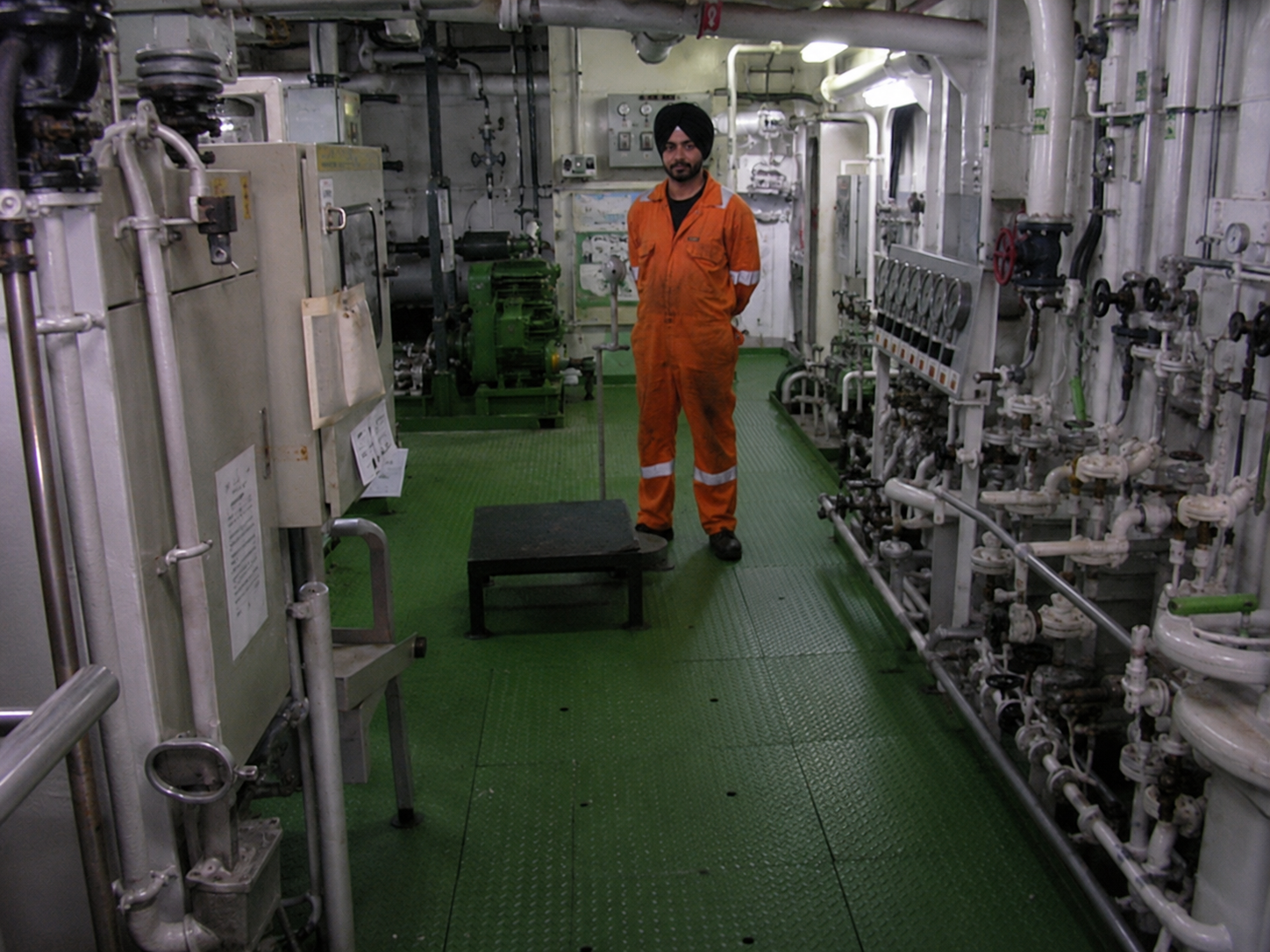
The Foundation: Engine Room Operations
Every vessel’s performance begins in the engine room.
Marine engineers are responsible for ensuring the safe and efficient operation of propulsion systems, auxiliary machinery, pumps, compressors, boilers, purifiers, and electrical systems.
Daily responsibilities include:
- Monitoring engine parameters
- Maintaining fuel efficiency
- Conducting preventive maintenance
- Troubleshooting machinery issues
- Ensuring compliance with safety standards
Recording operational data:
Even minor inefficiencies can significantly impact fuel consumption and operating costs over a voyage.
For example:
A fouled fuel injector may lead to incomplete combustion, increased fuel consumption, and elevated emissions. Similarly, poor maintenance of cooling systems can reduce engine efficiency and increase machinery wear.
This highlights why operational excellence remains the foundation of vessel performance.
The Growing Importance of Vessel Performance Monitoring
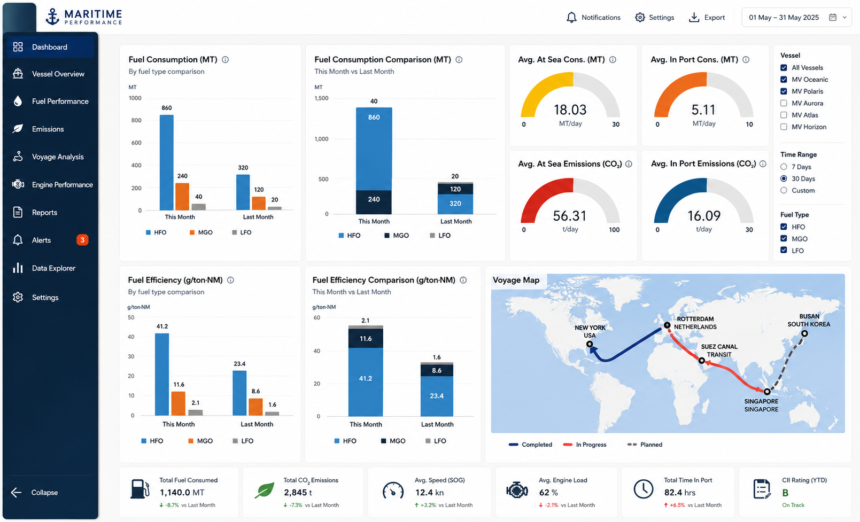
The shipping industry has entered a new era where data is becoming as important as fuel.
Modern vessels continuously generate large volumes of operational information, including:
- Fuel consumption
- Engine load
- RPM
- Shaft power
- Speed through water
- Weather conditions
- Draft and trim
- Voyage performance
Performance analysts use this information to identify inefficiencies and optimize operations.
Key performance indicators include:
1.Fuel Efficiency
Monitoring fuel consumption trends allows operators to identify unusual increases and investigate potential causes.
2. Speed Optimization
Balancing vessel speed with fuel consumption helps achieve optimal voyage economics.
3. Hull and Propeller Performance
Marine growth on hulls and propellers can significantly increase resistance and fuel consumption.
4. Engine Performance
Tracking engine parameters helps identify deterioration before major failures occur.
Through continuous monitoring, shipping companies can reduce operational costs while maintaining safety and reliability.
Emissions Compliance: A New Operational Priority
Environmental sustainability has become a major focus for the maritime industry.
Regulatory frameworks introduced by the International Maritime Organization (IMO) require shipowners to monitor and reduce greenhouse gas emissions.
Key regulations include:
A. EEXI (Energy Efficiency Existing Ship Index)
Measures the technical efficiency of existing vessels.
B. CII (Carbon Intensity Indicator)
Evaluates operational efficiency based on carbon emissions per transport work.
C. EU ETS
Extends carbon pricing mechanisms to shipping activities.
D. FuelEU Maritime
Promotes the adoption of lower-carbon fuels and technologies.
Compliance is no longer just a regulatory requirement; it has become a commercial necessity.
Poor environmental performance may result in higher operating costs, reduced competitiveness, and increased scrutiny from charterers and stakeholders.
My Experience in Emissions Analytics
Working in emissions analytics provided valuable insight into how vessel performance directly affects environmental outcomes.
A significant part of the role involved:
- Monitoring fuel consumption data
- Calculating carbon emissions
- Assessing CII performance
- Supporting regulatory compliance
- Identifying efficiency improvement opportunities
- Evaluating voyage performance trends
One of the most interesting aspects was observing how seemingly minor operational decisions could have measurable impacts on emissions performance.
Examples include:
- Optimized voyage planning
- Improved trim management
- Weather routing
- Engine load optimization
- Reduced idle running
These measures often delivered both environmental and economic benefits simultaneously.
The Role of Digitalization:
The maritime sector is increasingly adopting digital technologies to support decision-making.
Advanced platforms now provide:
- Real-time vessel monitoring
- Predictive maintenance insights
- Automated reporting
- Performance benchmarking
- Fuel consumption analytics
- Emissions tracking
Artificial intelligence and machine learning are further enhancing predictive capabilities.
Instead of reacting to machinery failures or performance losses, operators can identify trends early and implement corrective actions before significant issues arise.
This shift from reactive maintenance to predictive management represents one of the industry’s most important advancements.
Bridging Sea Experience with Data Analytics:
One of the most valuable aspects of vessel performance analysis is understanding the operational realities onboard.
Engineers who have served at sea possess practical knowledge that complements analytical tools.
This combination enables:
- Better interpretation of performance data
- More accurate root-cause analysis
- Practical recommendations for crews
- Improved communication between ship and shore teams
Data alone cannot explain every operational challenge. Practical engineering experience remains essential for meaningful performance optimization.
The Road Ahead:
The maritime industry’s decarbonization journey is accelerating.
Future developments are expected to include:
Alternative fuels such as methanol, ammonia, and hydrogen
- Hybrid propulsion systems
- Advanced energy-saving devices
- Increased automation
- Enhanced digital performance platforms
- AI-driven operational optimization
Success in this evolving landscape will require professionals who can combine technical expertise with analytical capabilities.
The next generation of maritime professionals must be comfortable working with both machinery and data.
Conclusion:
The future of shipping will be defined by efficiency, sustainability, and innovation.
From engine room operations to emissions analytics and vessel performance monitoring, every aspect of maritime operations now contributes to environmental and commercial success.
Organizations that invest in advanced performance monitoring, emissions management, and data-driven operational strategies will be better positioned to navigate regulatory challenges while maintaining competitiveness in a rapidly changing industry.
At our organization, we support shipowners and operators by transforming operational data into actionable insights. Through comprehensive vessel performance analysis, emissions monitoring, regulatory compliance support, and efficiency optimization strategies, we help clients reduce fuel consumption, lower emissions, improve operational reliability, and advance their sustainability goals.
As the maritime sector moves toward a greener future, the collaboration between onboard expertise, digital technologies, and performance analytics will continue to play a critical role in shaping the next generation of shipping excellence.