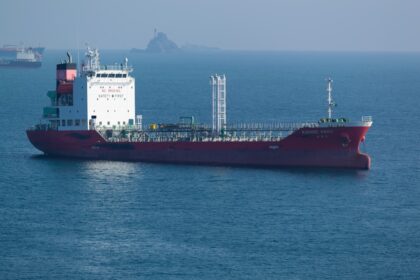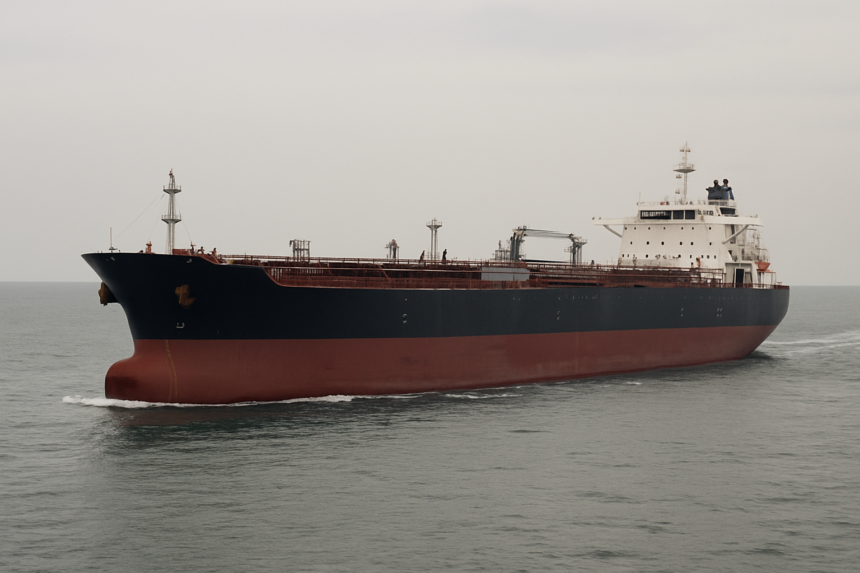
This week, tensions surrounding the Strait of Hormuz reached a new peak, characterized by violent confrontations between U.S. and Iranian forces. Several attacks on commercial tankers off the coast of Oman resulted in the tragic deaths of three seafarers, heightening security concerns in one of the world’s most crucial maritime chokepoints.
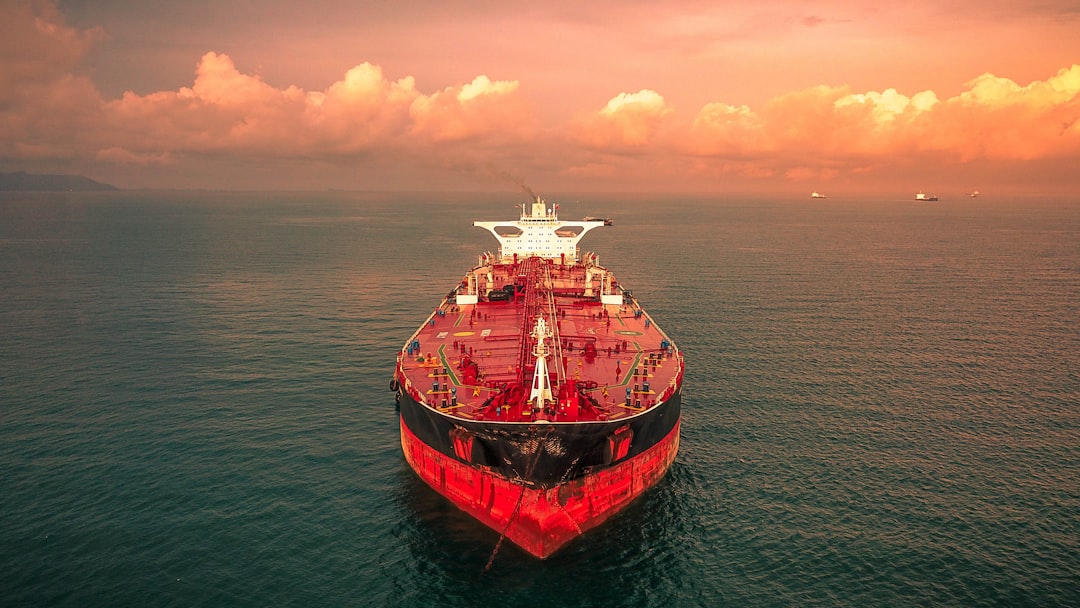
The Incident
According to reports, a series of strikes targeting tankers have drawn international attention, amplifying fears over the safety of vessels transiting through the area. The recent escalation underscores the ongoing crisis that has plagued Hormuz shipping operations, which handle a significant portion of the world’s oil supply.
Diplomatic Efforts
In a surprising development on Thursday, President Trump alluded to the possibility of a U.S.-Iran peace agreement, with a resolution potentially forthcoming as early as this weekend. While this statement has generated cautious optimism among analysts and operators, Iranian officials have responded with skepticism, indicating that any deal remains far from assured. The fragility of talks amidst the backdrop of recent attacks suggests that the situation remains volatile.


Market Implications
The continuation of such hostilities raises critical questions for shipping operators regarding increased insurance premiums and the viability of routes through the Strait of Hormuz. Market participants are urged to prepare for potential reroutes and increased operational costs due to rising risk factors. The potential for elevated war-risk premiums could alter shipping dynamics in the region.
The Operational Read
The current environment in the Strait of Hormuz poses significant operational challenges for shipping operators given the strategic importance of this maritime corridor. With recent fatalities underscoring the real dangers present, crew safety has become a paramount concern. Operators must now reassess risk management strategies and consider the implications of volatility on charter rates and insurance liabilities. Attention should be directed toward diplomatic developments as they may reshape operational protocols in anticipation of potential de-escalation or further conflict.