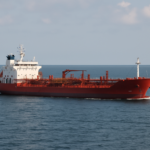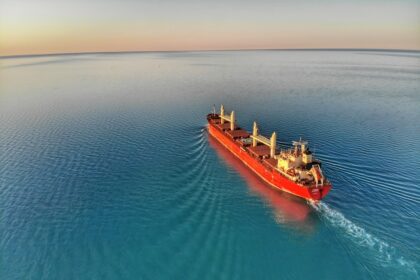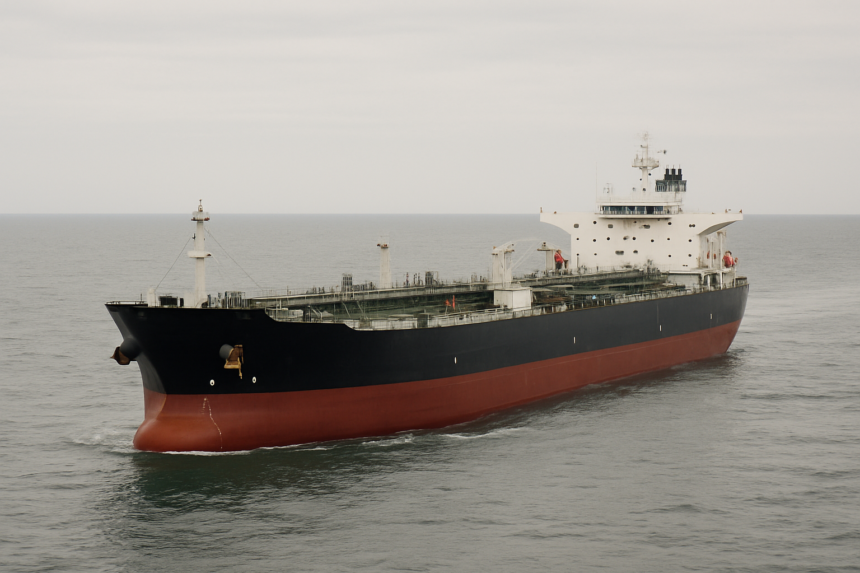
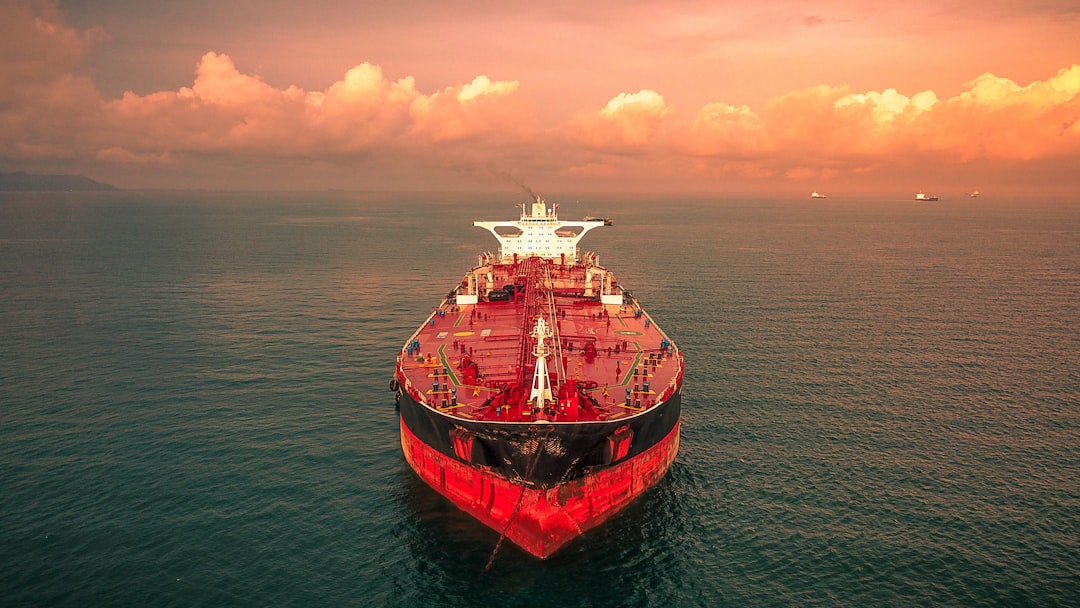
The International Maritime Organization (IMO) has condemned the attack on the MT Settebello, a tanker registered under the flag of Palau, which occurred off the coast of Oman. A projectile strike on the vessel resulted in a significant fire and left three seafarers reported missing. The incident took place near the strategic Strait of Hormuz, a vital corridor for global maritime trade.
The Incident
Details surrounding the event reveal a concerning escalation of maritime security threats in one of the world’s busiest shipping lanes. The IMO’s Secretary-General, Arsenio Dominguez, expressed his grave concern regarding the attack, attributing it to a broader need for enhanced safety measures in international shipping. In his statement, he reiterated that actions threatening the lives of seafarers and the integrity of maritime operations are intolerable.
Rising Maritime Security Concerns
The ongoing unrest in the region has prompted the IMO to monitor maritime activity closely. Since February 28, 2026, the organization has confirmed 43 attacks on vessels transiting the Strait of Hormuz, which have resulted in 11 seafarer fatalities. The security situation in the area has created an environment where the safety of crews and ships is increasingly at risk, necessitating swift action from both governments and shipping companies to enhance protective measures.

Operator Response and Investigative Measures
In the wake of the incident, the IMO is advocating for a full and transparent investigation. Dominguez emphasized that safeguarding seafaring personnel should remain a paramount responsibility shared among nations and maritime stakeholders. Shipping operators are urged to reassess their security protocols in the region and adhere strictly to international maritime safety standards to mitigate the risk of further incidents.
The Operational Read
The attack on MT Settebello highlights an urgent requirement for robust security measures in high-risk areas such as the Strait of Hormuz. For operators, the implications are multifaceted, affecting laytime calculations, insurance premiums, and overall vessel operational readiness. Increased hostilities might lead shipping companies to reconsider routes, potentially increasing transit times and costs. Furthermore, the ongoing threat necessitates enhanced training and preparedness among crews to respond effectively to such situations. Monitoring developments in security protocols and international responses will be critical for stakeholders aiming to ensure safe passage through this crucial maritime chokepoint.