On Tuesday, the U.S. Treasury Department unveiled a comprehensive sanctions framework aimed at reopening significant portions of Venezuela’s energy and mining sectors to U.S. and allied companies. The Office of Foreign Assets Control (OFAC) issued updated general licenses that explicitly authorize shipping, insurance, and logistics activities necessary to support exports from the region.

This new framework replaces earlier licenses issued in 2026 and establishes a detailed legal structure governing commercial engagement with Venezuela’s oil, gas, petrochemical, electricity, and mineral sectors.
Key Provisions of the Sanctions Framework
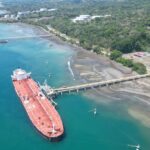
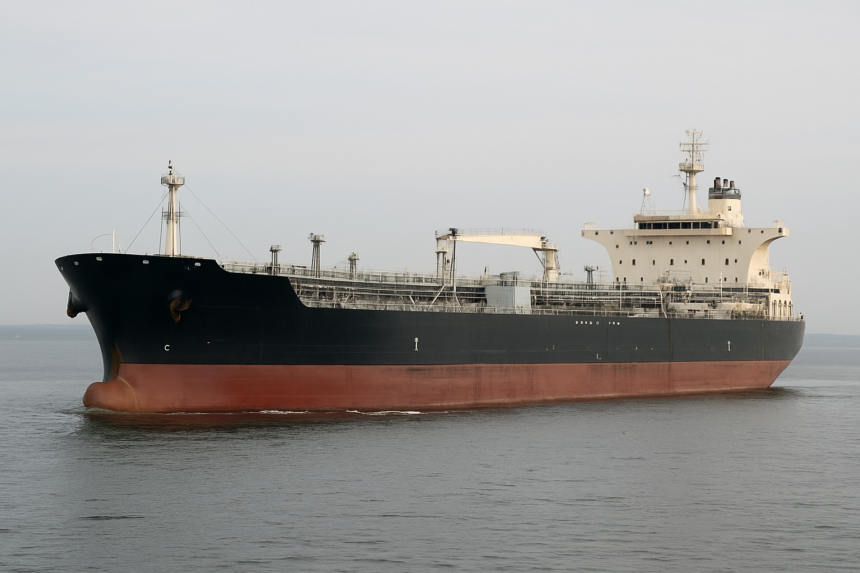
Among the most significant updates is the explicit authorization of maritime services, which includes vessel chartering, marine insurance, and port and terminal services involving Venezuelan government-controlled entities. This authorization extends beyond crude oil exports to encompass Venezuelan-origin oil and petrochemical products, as well as U.S.-origin diluents used for blending heavy crude.


In addition to these provisions, OFAC’s updated licenses cover operations by major international energy companies, including BP, Chevron, Eni, Maurel & Prom, Repsol, and Shell, along with their subsidiaries. However, to curb the influence of geopolitical rivals, the licenses also include prohibitions against transactions with entities linked to Russia, Iran, Cuba, North Korea, or China. Notably, Venezuelan or U.S.-based entities controlled by Chinese interests are explicitly excluded from these authorizations.
Compliance and Reporting Requirements
The new sanctions framework introduces stringent contractual requirements aimed at providing legal protections for participating companies. Contracts with Venezuelan governmental bodies, Petróleos de Venezuela S.A. (PDVSA), or state-run mining entities must adhere to U.S. law and stipulate that dispute resolution proceedings occur in the United States, United Kingdom, France, or Singapore. While contracts may recognize Venezuelan laws regarding permits and regulatory compliance, these legal safeguards significantly alter how companies engage in Venezuela’s competitive markets.
Furthermore, the updated measures establish detailed reporting requirements. Companies engaging in activities authorized by the new licenses are mandated to submit regular reports to U.S. government agencies. These reports will detail counterparties, cargo volumes, transaction values, destinations, and payments made to the Venezuelan government, thereby enhancing transparency and compliance monitoring.
The Operational Read
The revised sanctions framework marks a significant shift in U.S. policy, potentially invigorating operations in Venezuela’s resource sectors while imposing rigorous compliance mechanisms for involved companies. The explicit permission for shipping and logistics services plays a critical role in facilitating trade, yet operators must navigate a landscape fraught with geopolitical tensions and complex regulatory requirements. Monitoring compliance with the new reporting mandates will be essential for minimizing legal risks, particularly as the U.S. seeks to reshape its involvement in Venezuela. Stakeholders should prepare for increased scrutiny and engage in proactive due diligence to ensure adherence to the evolving sanctions landscape.