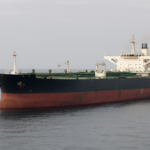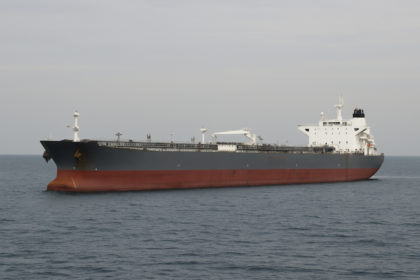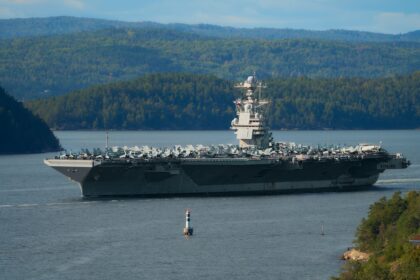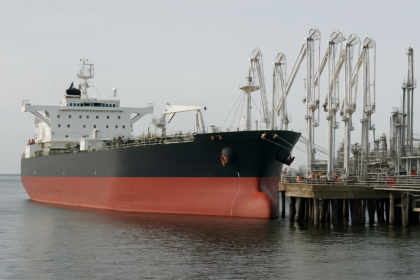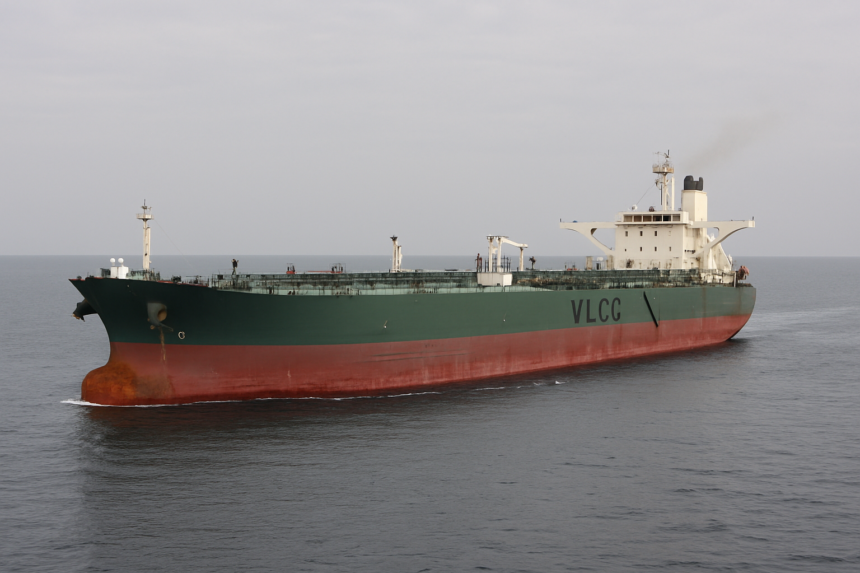
In a pivotal enforcement action, US Central Command (CENTCOM) disabled the Palau-flagged Very Large Crude Carrier (VLCC) Marivex in the Gulf of Oman on June 8, 2026. The vessel, which was unladen at the time, was reportedly attempting to breach Washington’s naval blockade imposed on Iran amidst ongoing geopolitical tensions.
The Incident
The Marivex was operating in international waters when it was intercepted by US forces, highlighting the increasing vigilance of US naval operations in the region. This event underscores the escalating efforts by the United States to curb illicit maritime activities linked to Iran.
Market Reaction
Simultaneously, the European Union is intensifying pressure on both Iran and Russia’s involvement in maritime logistics, particularly targeting entities that facilitate sanctions evasion. Industry analysts suggest that this twin approach might significantly affect shipping operations in the Gulf region, particularly in trade routes affected by sanctions.

Operator Considerations
The seizure of the Marivex raises security concerns for commercial shipping in these critical maritime corridors. Operators are being advised to assess the risk of increased naval enforcement and consider adjusting their routes to navigate around potential hotspots. Furthermore, the rising visibility of military operations may lead to increased war-risk premiums that could impact operational margins.
The Operational Read
This incident signals a shift in operational realities in the Gulf of Oman for shipping operators. As geopolitical tensions escalate, the risk of maritime disruption increases, necessitating robust risk assessment protocols. It is crucial for operators and charterers to stay informed about enforcement developments and their implications on commercial routes. Operators should also prepare for potential increases in insurance costs, while maintaining readiness to adapt quickly to evolving naval presence and regulations in affected areas.