The anticipated emergence of El Niño this year is projected to considerably disrupt cargo flows, particularly in Asia. According to shipbroker Intermodal, El Niño presents a potential freight impact through altered Asian power demand, crop risks, and trade-flow shifts. The latest forecasts indicate an 82% probability of El Niño occurring between May and July 2026, with a 96% likelihood of continuation through winter 2026/27.

The Impact on Cargo Flows
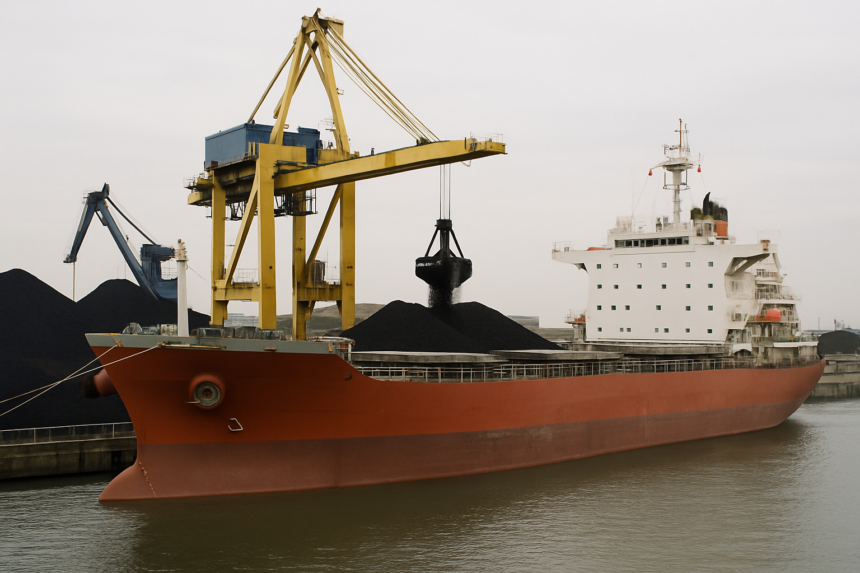
With the onset of summer in the Northern Hemisphere, the timing of El Niño is critical for various sectors. Intermodal’s Head of Research, Yiannis Parganas, emphasized that the first significant channel of impact involves coal imports, primarily driven by India’s increasing power demand. Current records show India’s peak power demand reaching 270.73 gigawatts, exceeding governmental expectations and solidifying coal’s role in energy generation.
Coal remains essential, accounting for more than 70% of India’s energy supply. As higher temperatures and drier conditions persist, the demand for coal-fired generation may not only maintain existing import levels from Indonesia, Australia, and South Africa but could also hinder domestic stock rebuilding efforts. Consequently, this scenario supports the Panamax and Kamsarmax vessel markets.

Grain Market Dynamics
In contrast, the grain sector presents a more complex picture. El Niño typically influences rainfall patterns, likely reducing rainfall in Australia and parts of South Asia, while benefiting southern South America with improved moisture conditions. Projections indicate a 19% drop in Australian wheat production, totaling approximately 29 million tonnes for the 2026/27 season, along with an expected reduction of 2.5 million tonnes in export volumes.
This decline could shift global trade dynamics, pushing importing countries towards alternatives in the Black Sea, Europe, North America, or Argentina, depending on market conditions. The anticipated weaker monsoon may also bolster India’s imports of vegetable oils and pulses, while increasing demand for palm oil from Indonesia and Malaysia.
The Operational Read
El Niño’s impending influence is poised to create significant operational challenges and opportunities in the shipping industry. For operators, the anticipated increase in coal freight demand juxtaposed with declining agricultural exports necessitates agile repositioning strategies for vessels, especially in the Supramax and Panamax segments. As markets adjust to these dynamics, stakeholders should monitor weather patterns closely and consider their effects on supply routes and operational costs. This developing situation underscores the need for flexibility in logistics planning and an adaptive approach to cargo flow management.