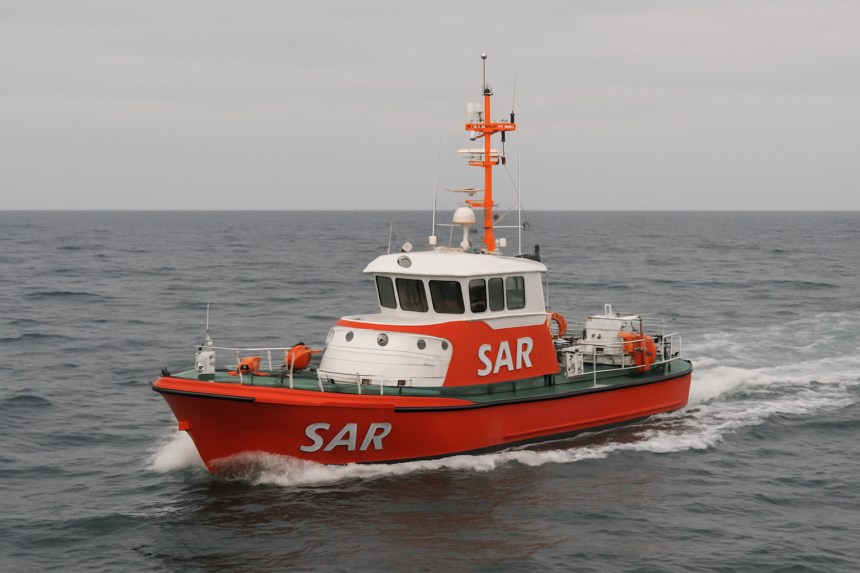
On June 6, Russian forces attacked two civilian search and rescue vessels in Ukrainian waters, leading to injuries among the crew members. Ukrainian Deputy Prime Minister Oleksiy Kuleba confirmed the incident via Telegram, stating that the vessels were conducting a humanitarian mission within the Ukrainian sea corridor, a critical route that facilitates passage to Romanian ports.
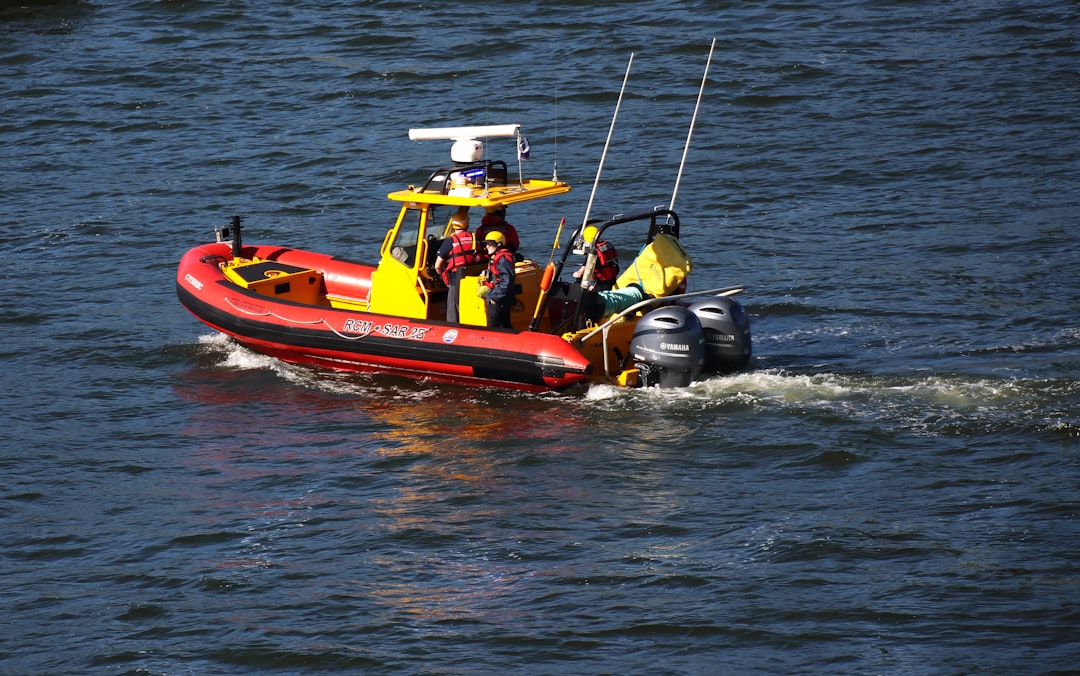
The Incident
The targeted vessels belonged to the maritime search and rescue service and were engaged in operations to support maritime safety in the region. The attacks occurred in a zone that has been increasingly fraught with military tensions, raising concerns for shipping operations and humanitarian efforts alike. As confirmed by Kuleba, evacuation operations are currently underway, with boats from the Ukrainian navy responding to assist.
Market Impact
This incident casts a shadow over the already precarious security situation in the Black Sea, a vital maritime corridor for commercial shipping and humanitarian assistance. The attacks could lead to heightened war-risk premiums in the region, potentially affecting freight rates and insurer assessments for vessels navigating these waters. Operators and charterers may need to assess alternative routes or increase security measures as tensions further escalate.

Operator Response
Maritime operators with assets in the Black Sea are advised to closely monitor developments following the attacks. Increased military activity could impact vessel operations, and owners may need to implement enhanced protective measures for their fleets. Furthermore, engagement with local authorities and adherence to evolving maritime regulations will be crucial to mitigate liabilities related to such incidents.
The Operational Read
The attack on the search and rescue vessels illustrates the ongoing volatility within the Black Sea, exposing vulnerabilities for operators involved in humanitarian missions and commercial activities alike. The dynamics of maritime safety are shifting, with risks intensifying for those operating in conflict zones. It is essential for shipping companies and crews to prioritize situational awareness and develop clear contingency plans, including emergency evacuation protocols and secure communication channels. Stakeholders should also monitor the geopolitical climate closely, as further incidents could disrupt shipping routes, affecting supply chains across Europe.