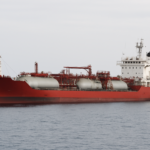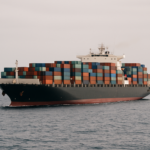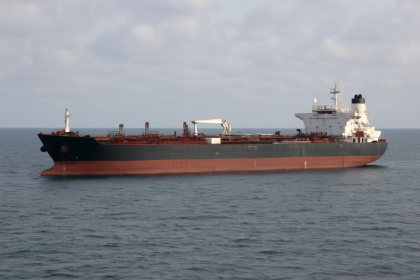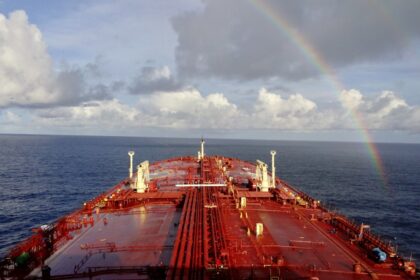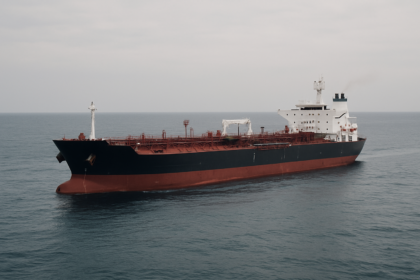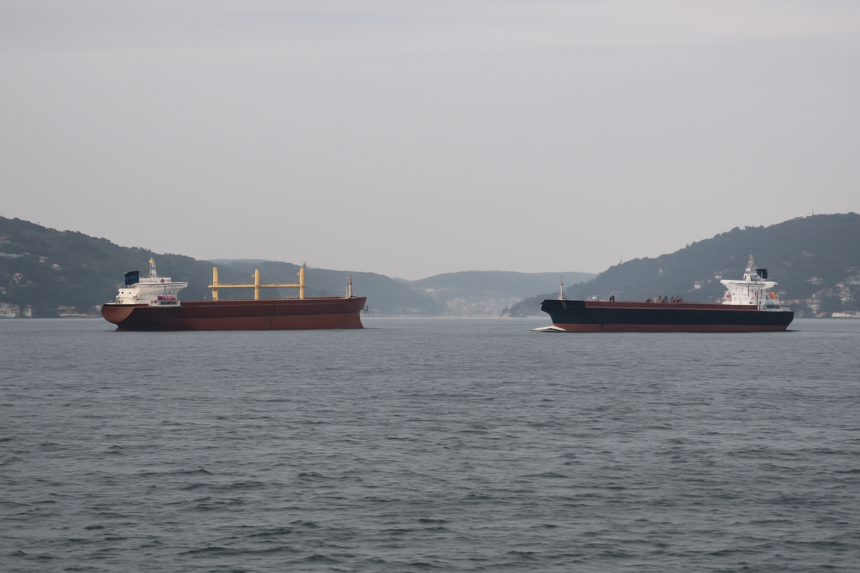
Recent reports from U.S. Central Command indicate that nearly 1,000 commercial vessel transits have occurred through the Strait of Hormuz in the last two months. This figure significantly surpasses private sector estimates, which typically rely on ship transponder data, with Bloomberg reporting just over 650 tracked transits during the same timeframe.
The Military’s Estimate
The U.S. military’s count includes a wide range of large cargo and container ships, not accounting for smaller vessels such as traditional dhows. The data was gathered through continuous surveillance operations focused on countering Iranian military activities since a ceasefire was established on April 8. While the current transit numbers indicate a slight increase in maritime traffic, they remain noticeably lower than the more than 100 ships that previously passed through the strait daily before escalating U.S.-Iran tensions.
Implications for Global Shipping
The elevated U.S. figure suggests a resurgence in commercial shipping activity, despite the ongoing threats from Iran, which closed the strait in late February following U.S. and Israeli airstrikes. This closure had a direct impact on global energy prices, which surged as fears about oil supply shortages grew. Efforts by U.S. forces to re-establish shipping lanes through the Strait of Hormuz involve guiding vessels along routes closer to the Omani coast, avoiding areas more susceptible to Iranian attacks.

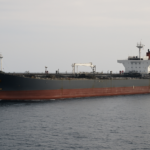
The increased reliance on ‘dark transits,’ where vessels operate without their transponders, indicates that operators are actively seeking to minimize detection risks while maintaining supply chain flow.
The Operational Read
The renewed traffic through the Strait of Hormuz highlights the complex interplay between military operations and commercial shipping needs in a high-risk environment. For operators, the shift to ‘dark transits’ presents both opportunities and challenges, requiring careful navigation of geopolitical dynamics and safety protocols. Importantly, the successful increase in transits may influence upcoming negotiations between the U.S. and Iran regarding vessel safety and control of this essential maritime corridor. Observers should closely monitor how military strategies evolve, particularly in response to Iranian actions, which have historically escalated during periods of perceived vulnerability.