Taiwan is set to significantly bolster its anti-ship missile capabilities as part of a strategic shift to address the increasing threat of blockade or invasion by China. Plans indicate an increase in its missile arsenal to more than 1,800 units by early 2029, driven by a focus on an asymmetrical warfare strategy designed to counteract China’s superior military firepower.
The Strategic Shift
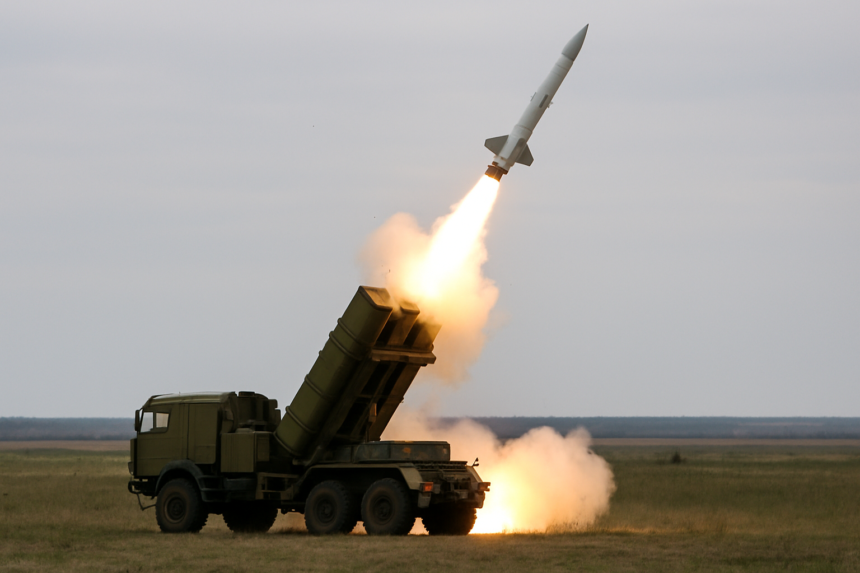
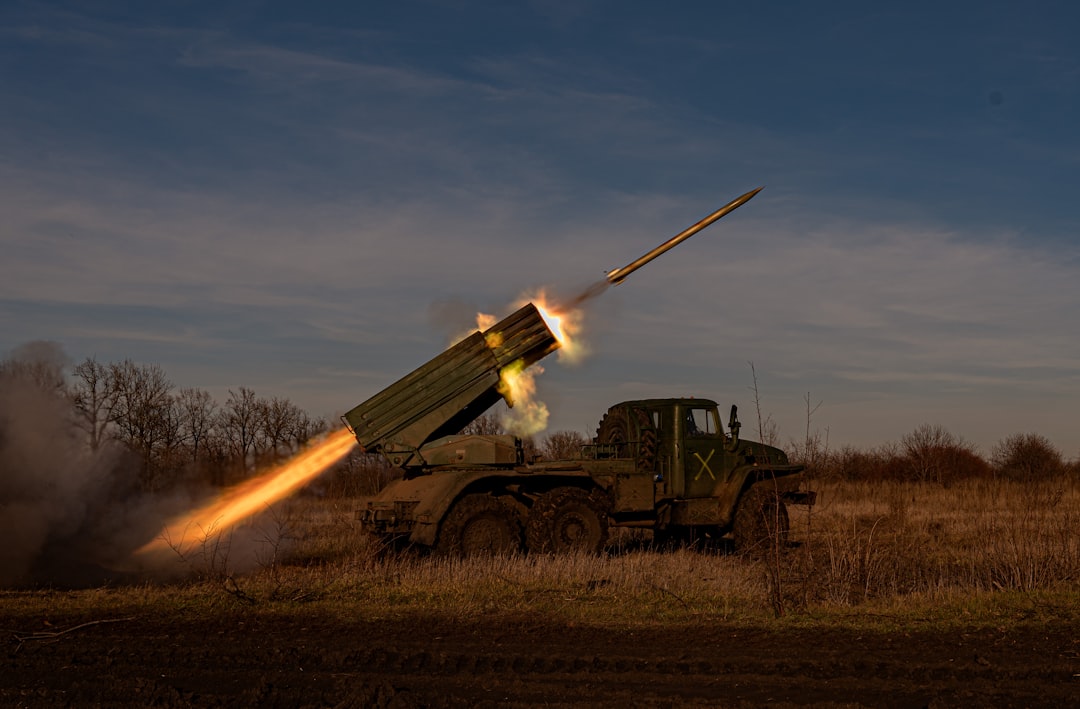
Central to Taiwan’s new strategy is the integration of a wide array of defense systems, including anti-ship missiles that are launched from aircraft, naval vessels, and ground-based platforms. Military officers in Taiwan have underscored that the intention is to develop a resilient force capable of surviving an initial Chinese bombardment while maintaining the ability to counterattack against invading fleets.
This increased capability reflects lessons learned from recent conflicts, particularly those involving Ukraine and Iran, where the effective use of missiles and drones has demonstrated that smaller forces can stand against more powerful opponents. Taiwanese military analysts assert that a robust anti-ship missile stockpile will play a crucial role in establishing a protective ‘kill zone’ in the Taiwan Strait, a critical maritime area for any potential Chinese invasion.

Details of the Arsenal
The backbone of Taiwan’s expanding anti-ship arsenal comprises U.S.-supplied Harpoon missiles along with domestically developed Hsiung Feng missiles. This enhanced arsenal is expected to include additional precision missiles capable of targeting Chinese vessels within the Taiwan Strait or at embarkation points along the Chinese coast. The recent parliamentary approval for an extra $25 billion earmarked for defense spending marks a significant commitment to augmenting these capabilities further.
Defense experts, including Grant Newsham, a retired U.S. Marine Corps colonel, have noted the strategic implications of long-range precision weapons for Taiwan. By effectively employing these systems, Taiwan aims to deter a Chinese invasion before it can commence by significantly degrading the combat effectiveness of the People’s Liberation Army (PLA).
Defensive Goals and Challenges
The ultimate objective of Taiwan’s defense strategy is to prevent the successful landing of Chinese forces, rather than attempting to destroy all PLA vessels. This distinction emphasizes the operational focus of Taiwan’s military planning, as noted by Ou Si-fu, deputy chief executive officer for research at the Institute for National Defense and Security Research. The defense ministry of Taiwan asserts that enhancing anti-ship missile capabilities will establish a powerful maritime strike capacity, vital for countering naval threats.
As tensions continue to escalate, it remains to be seen how China will respond to Taiwan’s military enhancements. The PLA possesses the world’s largest navy and a substantial merchant fleet, indicating that Taiwan’s defensive measures will require careful planning and execution to effectively neutralize potential threats in the event of conflict.
The Operational Read
The operational landscape in the Taiwan Strait is increasingly complex as Taiwan prepares to enhance its missile capabilities significantly. For shipping operators and international stakeholders, the focus must be on the implications of military tensions in this crucial maritime region. The establishment of an extensive anti-ship missile network signals an intent to deter not only Chinese naval operations but also to influence broader regional maritime security dynamics. Operators should monitor how these developments may affect shipping routes and insurance premiums, as increased military activity could elevate operational risks in the region.