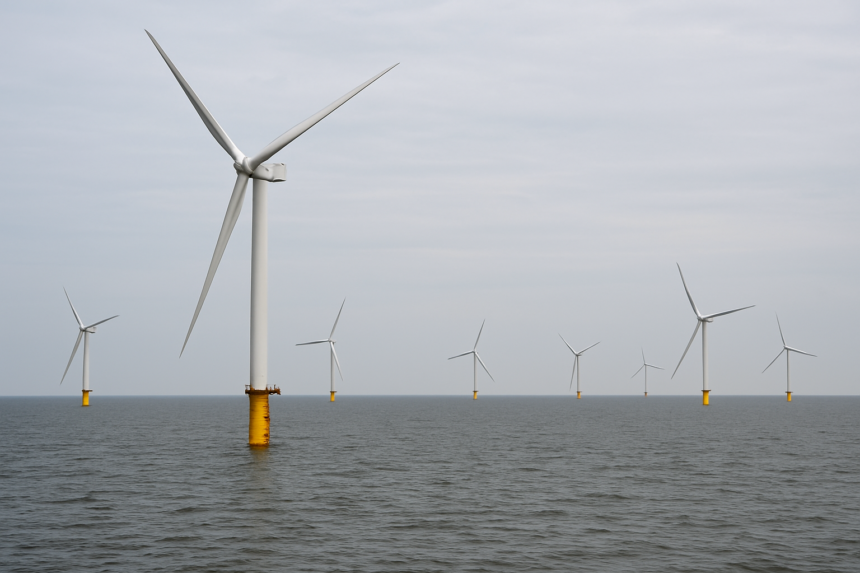
New York’s Attorney General Letitia James and Governor Kathy Hochul have instigated a legal challenge against the Trump administration’s agreement with TotalEnergies, which involved the abandonment of a significant offshore wind lease in the New York Bight.

Filed on Tuesday in collaboration with six other states, the lawsuit targets a controversial March deal that not only canceled TotalEnergies’ offshore wind lease but also redirected $795 million towards fossil fuel investments, including oil, gas, and LNG projects. This agreement has drawn significant scrutiny and could have long-term implications for offshore renewable energy efforts across the East Coast.
The Offshore Wind Project
The lease in question, Lease OCS-A 0538, was awarded in 2022 with plans for the Attentive Energy One project, intended to supply electricity to New York City, powering over 700,000 homes and yielding an estimated $25.6 billion in economic benefits over its lifespan. Furthermore, the project was expected to create approximately 1,700 jobs and potentially reduce energy costs in New York by an estimated $10 billion, positioning it as a pivotal component in the state’s renewable energy strategy.


Legal and Economic Implications
The lawsuit argues that the agreement violates federal laws related to offshore lease cancellations. State officials assert that the U.S. Interior Department failed to conduct necessary hearings and did not provide legally mandated findings assessing potential harm to national security or the environment as required under federal regulations.
Moreover, the complaint highlights that the use of federal funds in this context was inappropriate, as it was linked to a deal that neither stemmed from legitimate litigation nor aligned with the administration’s professed national security concerns.
Broader Industry Impact
This case comes amidst a broader trend wherein the Trump administration has adopted a strategy involving buyouts of offshore wind leases to refocus investments on conventional energy projects. Following the TotalEnergies agreement, additional buyout arrangements with companies like Bluepoint Wind and Golden State Wind have emerged, bringing the total redirected resources from offshore wind lease capital to over $1.8 billion.
For the maritime sector, the implications of this legal challenge could reverberate through the pipeline of upcoming offshore wind construction vessels, port investments, Jones Act feeder operations, and the development of supply chains associated with East Coast offshore wind projects. As the outcome of this lawsuit unfolds, it may significantly shape the investment landscape for maritime operations and offshore renewable energy in the region.
Behind the Headline
This legal dispute underscores a critical tension between renewable energy ambitions and traditional energy interests. With the significant economic benefits tied to offshore wind projects, operators and stakeholders must navigate a landscape influenced by shifting federal policies. As the case develops, monitoring the administration’s response and any further legislative actions will be crucial for those involved in offshore energy, particularly regarding the future of wind leases and infrastructure related to these projects.