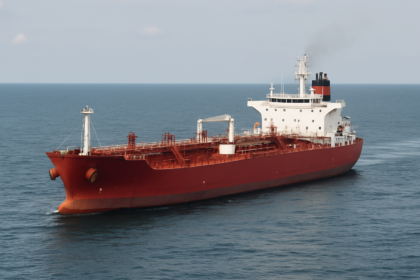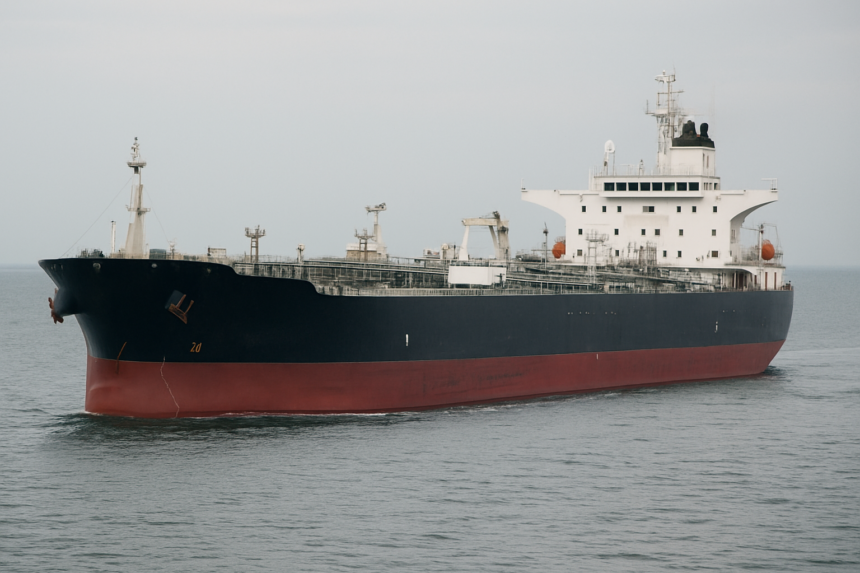
Russia’s crude oil exports have reached the highest level since its invasion of Ukraine, with current shipments averaging 3.46 million barrels per day, up significantly from the previous year. This surge aligns with Ukraine’s intensified strikes on Russian oil refineries, altering the landscape of global oil supply.

The Impact of Ukrainian Strikes
In recent months, Ukraine has shifted its focus to targeting Russian oil pumping stations and refineries. This strategic pivot has resulted in record levels of attacks, pushing processing rates to a 16-year low and prompting Moscow to impose export bans on jet fuel and previous restrictions on gasoline. These developments have inadvertently increased the quantity of crude oil available for global shipping.
As of late May, Russian shipments continued to recover from earlier disruptions caused by assaults on key export facilities in the Black Sea and Baltic regions. The four-week average of crude shipments remained relatively stable, at approximately 3.64 million barrels per day, showcasing the resilience of Russia’s oil export operations.


Market Dynamics and International Demand
The geopolitical landscape surrounding oil supply has been characterized by rising global prices, particularly influenced by the ongoing conflict between the U.S. and Iran. The effective closure of the Strait of Hormuz has left refiners scrambling for alternatives, creating a marked increase in demand for Russian crude. In response to these changes, the value of Moscow’s oil shipments has exceeded even early 2022 levels.
India has emerged as a critical market for Russian oil, with imports skyrocketing post-invasion. Daily shipments to India peaked at around 2 million barrels, only to stabilize around 1.76 million barrels per day by May, reflecting a 63% increase from February levels. The easing of U.S. sanctions on Russian oil has facilitated this resurgent demand, particularly from Indian processors looking for viable alternatives amidst global supply constraints.
The Operational Read
The current dynamics highlight a significant shift in the operational realities of global oil supply, driven by both military actions and regulatory changes. For operators, the implications of enhanced Russian crude flows necessitate close monitoring of route viability, logistics, and pricing strategies. As pressures mount in the Middle East, the competition for crude becomes increasingly fierce, particularly as vessels transit from Russia to emerging markets. Companies engaged in shipping and refining must navigate a volatile landscape marked by geopolitical strife, sanctions, and shifting consumer demands. Vigilance in adjusting operational protocols will be crucial for maintaining efficiency in this evolving scenario.