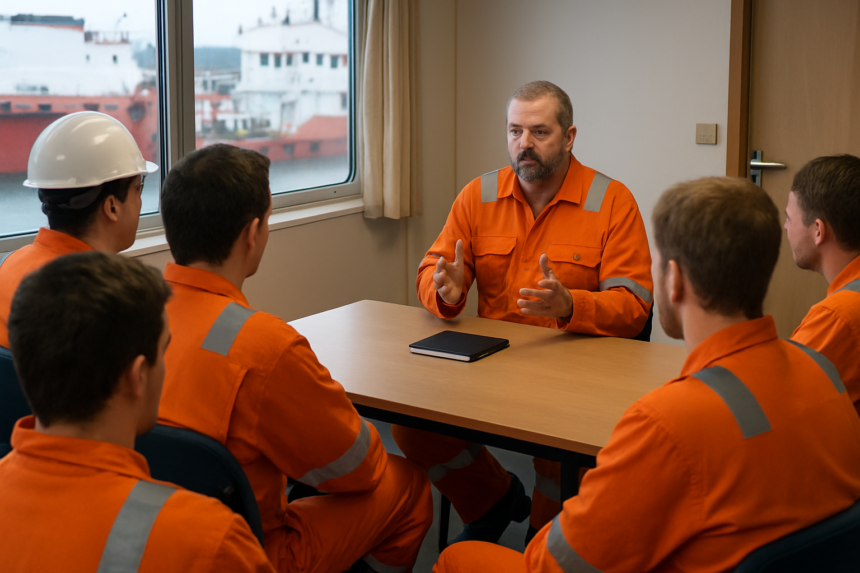
The 59th Committee meeting of the Paris Memorandum of Understanding on Port State Control (Paris MoU) concluded in Glasgow on 22 May 2026, marking a pivotal step towards enhancing maritime regulations. Chaired by Mr. Brian Hogan and opened by Ms. Virginia McVea, CEO of the UK’s Maritime and Coastguard Agency, the meeting highlighted ongoing efforts to improve maritime safety and environmental stewardship.
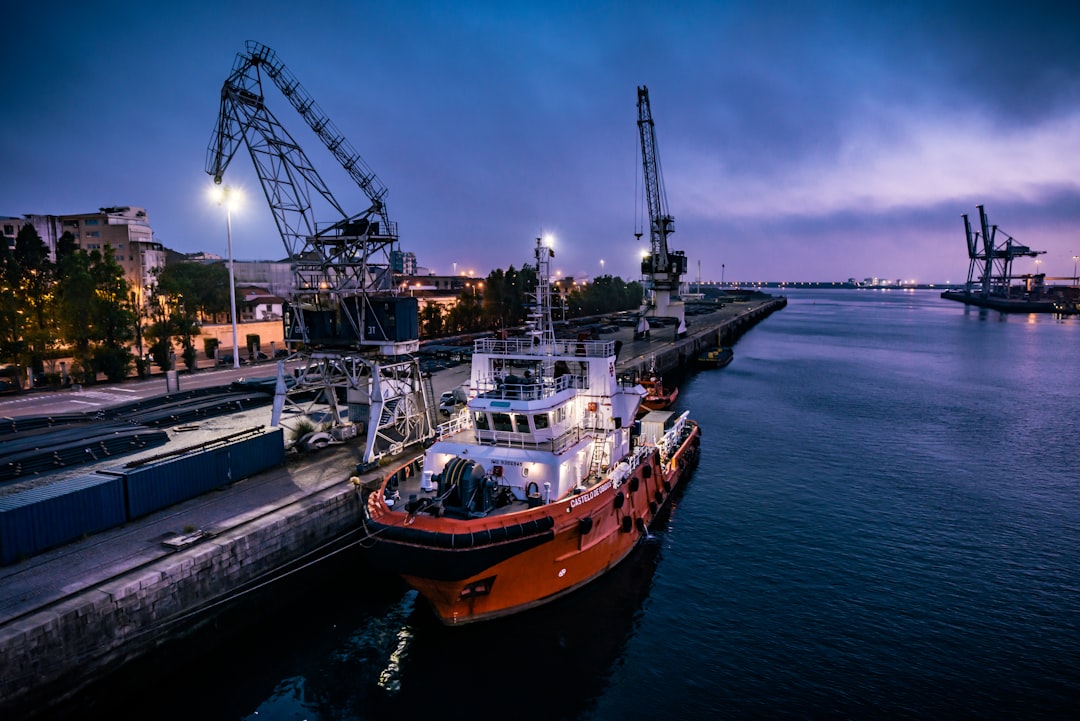
Commitment to Regulatory Alignment
During the meeting, the Committee addressed critical updates necessitated by the amendments to the EU Port State Control Directive, which come into force on 6 July 2027. Discussions led to significant advancements toward aligning these regulatory changes, particularly in relation to flag State and Recognized Organisation (RO) performance evaluations, as well as incorporating new environmental parameters into the Ship Risk Profile.
Concerns Over Rising Detention Rates
The Committee reviewed the alarming trend of increasing detention rates, which reached 4.18% in 2025—up from 4.03% in 2024 and 3.81% in 2023. This trend underscores Port State Control’s essential role as a safety net in maritime operations. Discussions included dealing with deceptive practices, particularly regarding vessels operating with fraudulent registrations and certificates. The Committee is developing practical guidance to counter these issues, solidifying a coherent approach among member states.

Enhancing Cooperation and Training
An essential outcome of the meeting was the commitment to foster enhanced international cooperation and information exchange among member states to mitigate risks from vessels circumventing compliance by avoiding Paris MoU designated ports. Additionally, the Committee resolved to initiate a voluntary harmonised Port State Control approach for fishing vessels of 24 metres in length and above, supporting future safety and compliance within the fishing sector.
The Committee also committed to the continuous improvement of inspection procedures and internal training initiatives. Efforts to assist other regional Port State Control MoUs in training their Port State Control Officers will see the Paris MoU lend expertise and facilitate exchange programmes to promote standards across the board.
Why It Matters
The discussions and resolutions from the Paris MoU’s 59th Committee meeting reflect an increasing focus on regulatory compliance and operational safety at the global level. As the maritime industry grapples with rising detention rates and fraudulent practices, the implementation of updated regulations and enhanced cooperation are critical for operators and authorities alike. The planned harmonisation of Port State Control protocols, especially concerning fishing vessels, signals a proactive approach to maritime governance. Stakeholders should prepare for the forthcoming regulatory changes, expected to bring about significant operational adjustments across the sector.