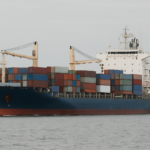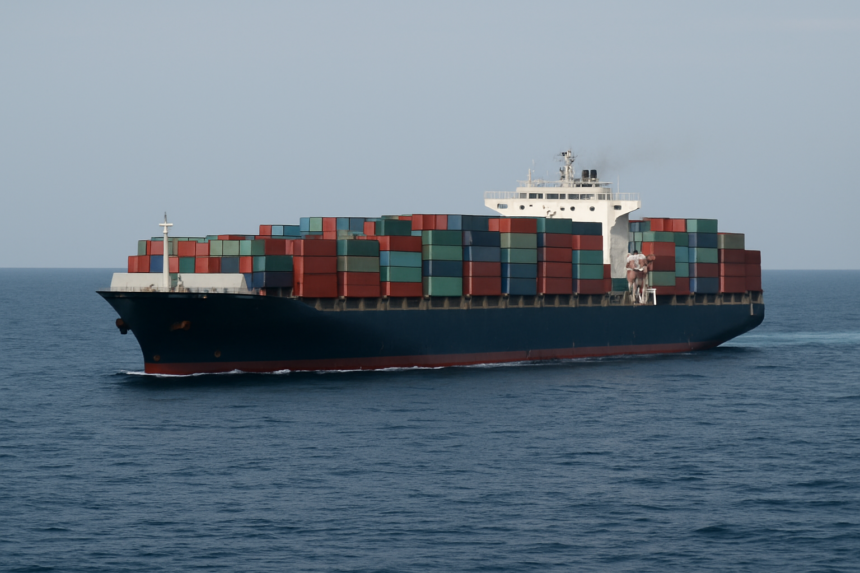
A Panama-flagged containership, MSC Sariska V, has been damaged in an apparent attack approximately 40 nautical miles southeast of Umm Qasr, Iraq. The incident involves the vessel being struck on its starboard side by an unidentified projectile, resulting in a significant explosion, as reported by the United Kingdom Maritime Trade Operations (UKMTO).
The attack, part of a worrying trend, is the third incident in the area since the onset of the U.S.-Iran conflict in late February. UKMTO has indicated that there is currently no indication of environmental impact, and authorities are actively investigating the matter. An update revealed that a subsequent explosion led to a fire aboard the vessel, which has since been extinguished, with no injuries reported among the crew.
The Incident
Maritime experts, including analyst Sal Mercogliano, noted that MSC Sariska V had been operating within a regional feeder network established by MSC, following service disruptions caused by the ongoing security crisis. The vessel appears to have taken on cargo at Umm Qasr just prior to the attack, complicating the security dynamics for freighters in the region.

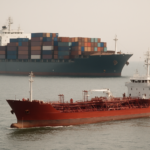
Damage assessments indicate that the vessel may have been hit by a potential uncrewed surface vessel (USV), a tactic consistent with earlier reports of similar incidents in the northern Gulf. Martin Kelly from EOS Risk Group highlighted that the attack likely occurred as the vessel was navigating within Iraqi territorial waters.
Market Impact
This attack raises significant concerns for maritime operators navigating the northern Arabian Gulf. As previously noted, MSC Sariska V has effectively been trapped in the Gulf since the conflict began, highlighting the precarious nature of shipping lanes in the region. The escalation of hostilities raises critical issues about the safety of maritime operations, prompting shipping executives attending the Posidonia conference in Athens to emphasize the urgent need for secure passage guarantees should diplomatic negotiations proceed.
Prior incidents, including two reported attacks in March, underline a pattern of aggression toward vessels in Iraqi waters, posing an ongoing threat to commercial shipping. The risk of such attacks necessitates heightened vigilance among operators and may lead to increased war-risk premiums, further complicating the shipping landscape.
Operator Response
Operators in the region may need to consider alternative routing and enhanced security protocols in light of these incidents. With MSC Sariska V’s situation serving as a stark reminder of the challenges facing commercial maritime operations, operators may evaluate their risk exposure and implement contingency measures to safeguard vessels against similar threats.
The Operational Read
This incident exemplifies the growing security risks in the Arabian Gulf, particularly for vessels operating in proximity to ongoing conflicts. Operators must remain acutely aware of the heightened threat landscape, adjusting operational strategies accordingly. Future incidents could impact supply chain dynamics significantly, leading to potential service interruptions and prompting reevaluations of risk assessments by ship owners, charterers, and insurance providers. The trend of vessel attacks indicates a pressing need for robust security measures and collaboration among international maritime organizations to ensure safe passage in these critical shipping lanes.