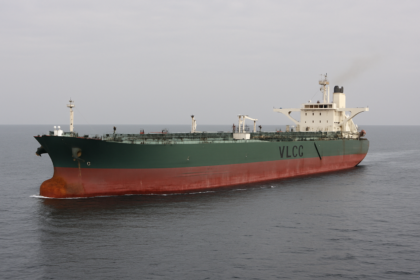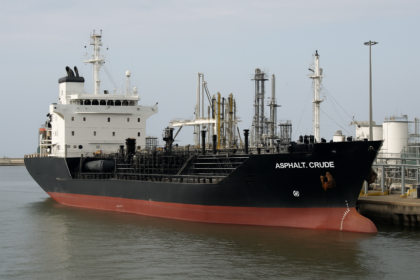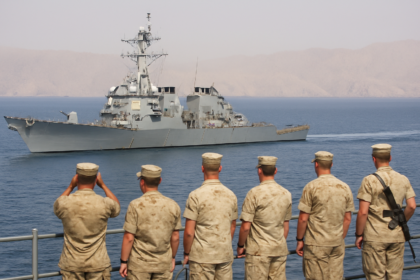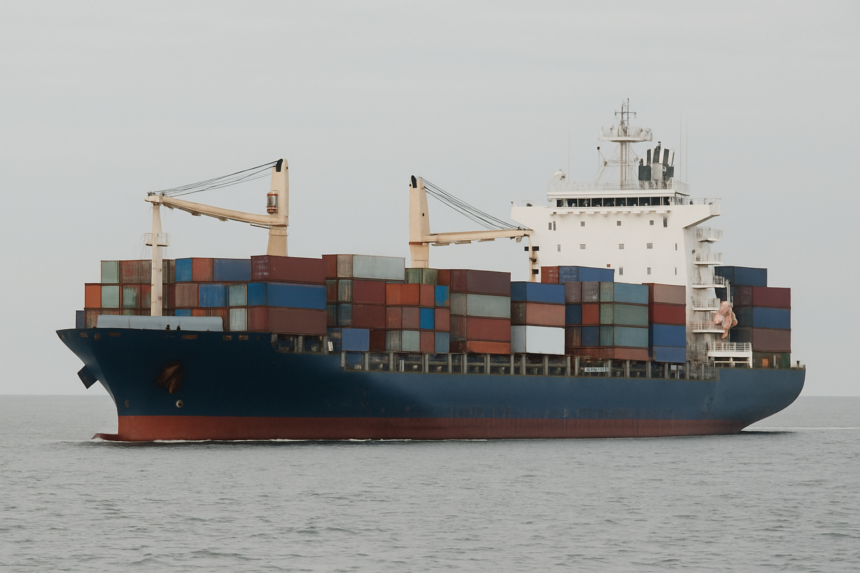
Shipping executives at the Posidonia maritime exhibition in Greece underscored deep concerns about the ongoing conflict affecting navigation in the Strait of Hormuz. They asserted that even if a ceasefire agreement is reached between the U.S. and Iran, normal commercial operations can only resume with robust security guarantees and clear operational regulations.
The Current Situation
Negotiators from Washington and Tehran are in discussions concerning a possible 60-day extension of the existing ceasefire. Industry leaders emphasized that operational clarity is crucial for restoring confidence in the waterway. Pankaj Khanna, President of Heidmar Maritime Holdings, articulated the industry’s perspective, stating, “What we need is obviously a framework, a rules regulation, whatever tells us exactly how we can go in and get out.” This sentiment reflects a broader apprehension shared by shipowners and maritime security organizations regarding transit safety amidst unresolved tensions.
Operational Concerns
Yiannis Procopiou, CEO of Centrofin Management, reiterated that the mere availability of insurance does not equate to safety in the Strait. He noted, “That’s, right now, a very high risk proposition,” highlighting the industry’s hesitance to operate without clear guidelines. The demand for structured rules of engagement is echoed throughout discussions at the ongoing maritime conference.


Humanitarian and Security Implications
The impact of the crisis extends beyond commercial concerns, affecting the welfare of seafarers stranded in the region. Numerous vessels remain trapped, leaving thousands of mariners unable to disembark or safely transit. IMO Secretary-General Arsenio Dominguez has indicated that a confirmed ceasefire could activate an evacuation framework aimed at addressing these humanitarian needs. He stated, “The first objective is always to seafarers,” highlighting the urgency of the situation.
While some industry figures maintain optimism about reaching a comprehensive agreement, they stress the importance of ensuring a safe environment for navigation that ensures both the operational viability of shipping and the humanitarian safety of crews in the region.
The Operational Read
For maritime operators, the uncertainty surrounding navigation in the Strait of Hormuz presents a complex landscape. The lack of defined rules and security assurances complicates the decision-making process for operators managing fleet movements in transit through one of the world’s most strategically vital chokepoints. The current situation requires monitoring of diplomatic developments closely, as effective communication and operational clarity will dictate the willingness of operators to engage in the region once more. The industry must remain vigilant regarding changes in military posturing and insurance provisions, adjusting strategies to navigate the evolving geopolitical scenario effectively.