The recent delivery of asphalt to New Haven, Connecticut, by the Chinese-flagged tanker JIN ZHOU WAN has reignited the debate surrounding the Trump administration’s emergency waiver of the Jones Act. This waiver allows foreign-flagged vessels to transport cargo between U.S. ports, which typically restricts these activities to U.S.-built and crewed vessels.
The Incident
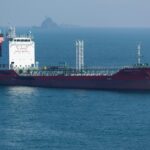
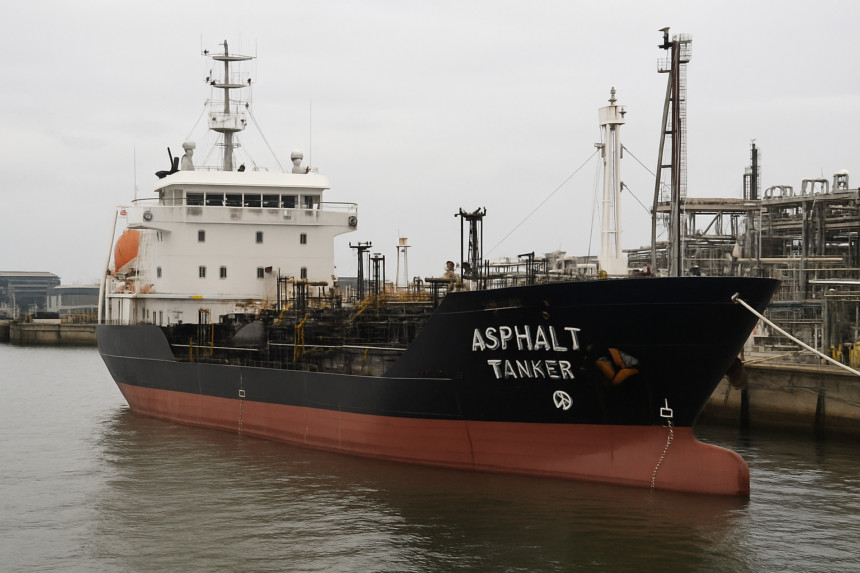
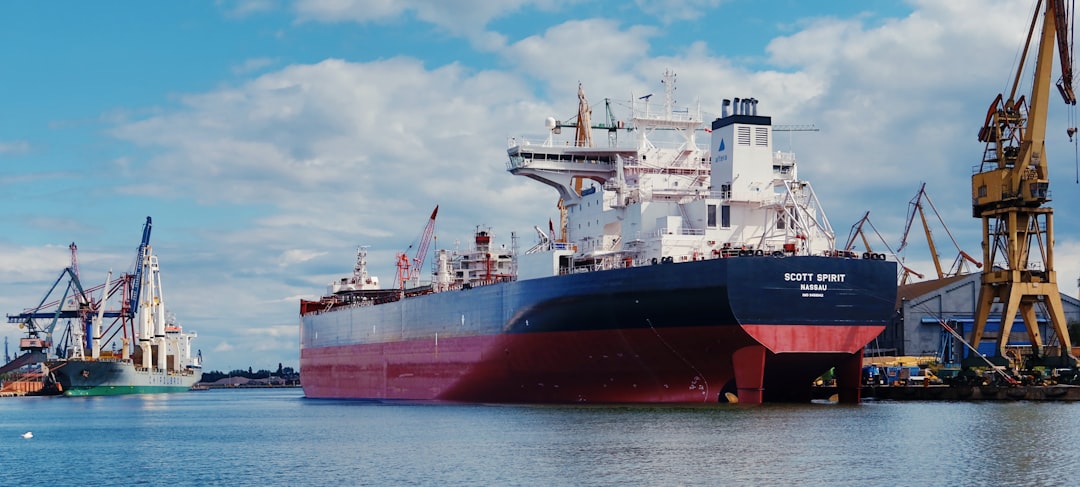
Operated by COSCO Shipping Asphalt Hainan, the JIN ZHOU WAN completed its journey from New Orleans, Louisiana, to New Haven on May 28, following its departure on May 21. The vessel, a 13,265-deadweight-ton asphalt/bitumen tanker built in 2017, falls under the parameters set by the Jones Act waiver established in March in the wake of the Strait of Hormuz crisis.
The American Maritime Partnership (AMP) has raised concerns regarding the national security justification for allowing the delivery of asphalt by a tanker owned by a company listed as a ‘Chinese military company’ by the Pentagon. AMP’s recent campaign questions the waiver’s effectiveness and its implications for job security in the U.S. maritime sector.

Market Impact
The Trump administration argues that the waiver is a necessary temporary measure aimed at stabilizing domestic energy supplies amidst ongoing global supply disruptions. However, critics contend that the measure’s primary beneficiaries are foreign operators rather than American workers. According to AMP, since the inception of the waiver, approximately 14.9 million barrels of fuel have been shipped under this exemption, with continuing implications for market dynamics.
Industry analysts have noted that at least 60 voyages involving foreign-flagged tankers have successfully transported crude oil and refined products, indicating a significant operational trend that could reshape the maritime transportation landscape along key U.S. routes, including those to California, Florida, and the East Coast.
Operator Response
The delivery of the JIN ZHOU WAN presents a crucial moment for evaluating the impact of the Jones Act waiver on national security and maritime job stability. The conversation between proponents of the waiver and critical stakeholders such as AMP underscores a growing intersection of maritime operations and geopolitical considerations. The ongoing scrutiny of this policy raises questions about its long-term viability amid increasing reliance on foreign shipping services.
The Operational Read
The operational realities of the Jones Act waiver and the implications for U.S. maritime operations demand attention. For U.S.-based operators, the reliance on foreign-flagged vessels raises significant challenges regarding competition and job retention. The movement of cargo under exemptions poses questions about the compliance and safety standards expected of foreign entities vis-à-vis U.S. mariners. As more shipments traverse American waters under such waivers, the maritime industry must closely monitor their impact on domestic supply chains and workforce dynamics. Future political and legal developments will likely shape the regulatory landscape and operational practices in this critical sector.