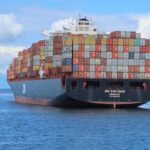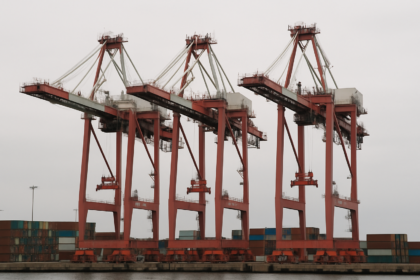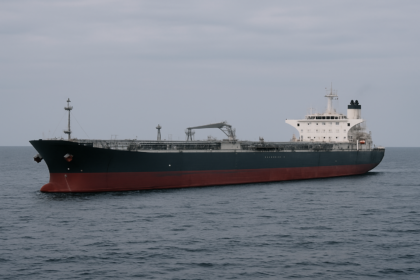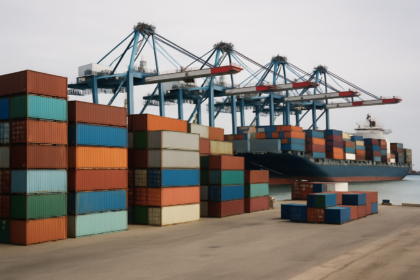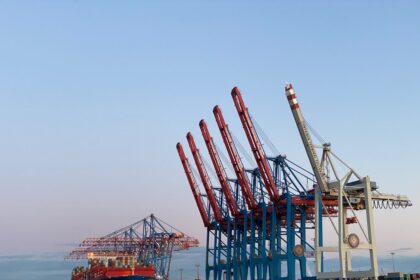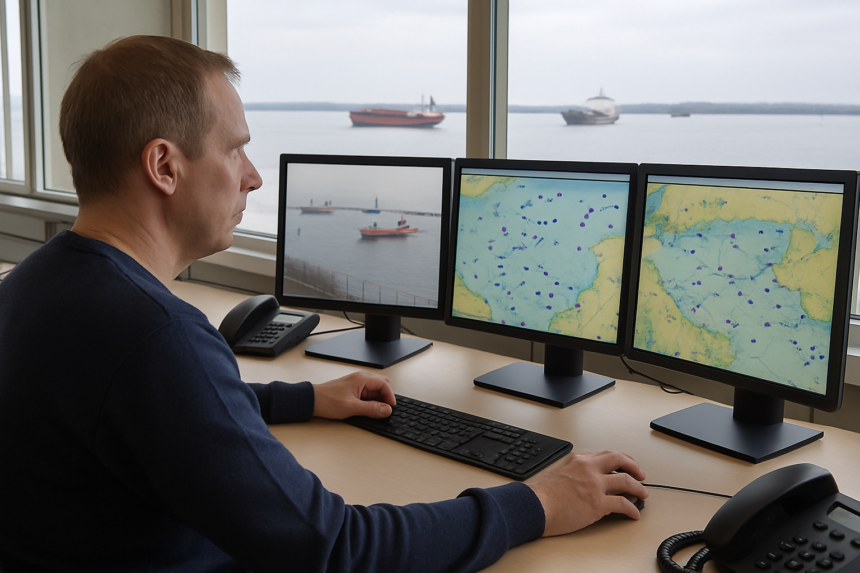
The Marine Exchange of Puget Sound (MXPS) announced a strategic partnership with Wärtsilä Voyage Canada to deploy the PortLink Digital Maritime Information Exchange Platform across the Puget Sound maritime corridor. This initiative marks the first North American implementation of the PortLink system, already operational on four continents, and aims to reduce vessel congestion while enhancing traffic efficiency in a crucial waterway.
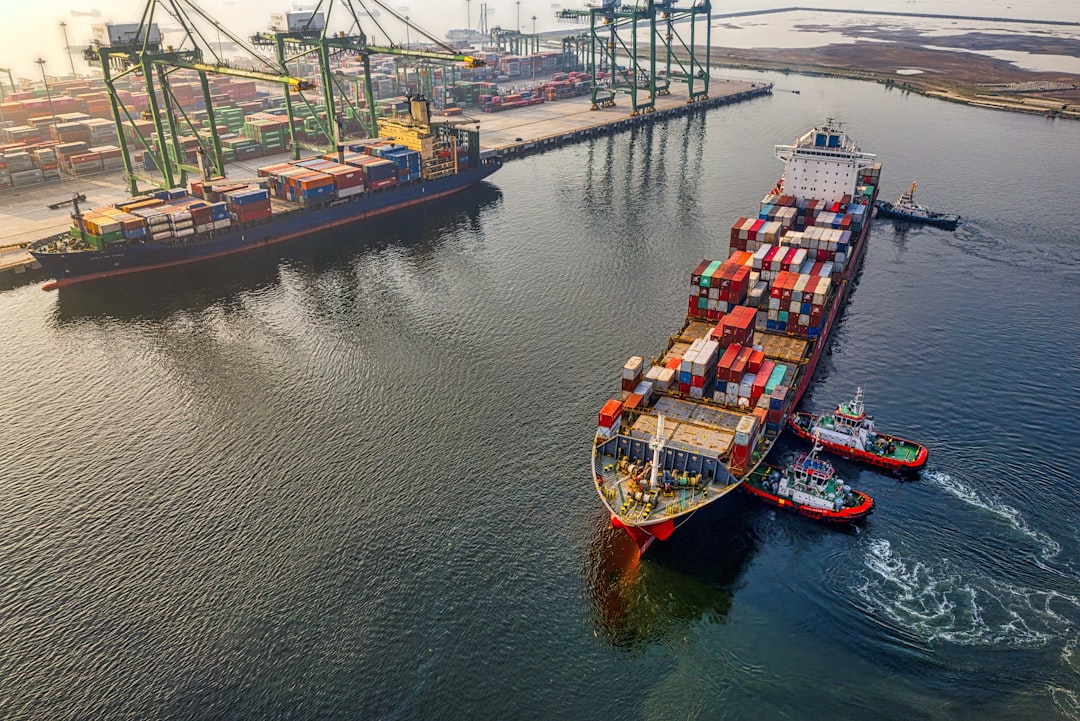
The Digital Platform
The PortLink platform is designed to provide real-time vessel tracking utilizing AIS data alongside workflows for vessel visits, pilot input, service request handling, tug dispatch, incident reporting, and alerting capabilities. The integration of these features will permit seamless data exchange among various maritime constituents, including pilots, terminal operators, tug service providers, shipping agents, and regulatory bodies. This effort represents a significant advancement in maritime digitalization within the Pacific Northwest.
Implementation Strategy
The deployment of the PortLink platform will occur through a phased approach. Initially, it will focus on core platform configuration and onboarding key participants such as pilot associations and terminal operators. Maintaining full ownership and governance of encrypted operational data remains a priority for MXPS throughout the entire deployment process. Patrick Gallagher, Executive Director of MXPS, highlighted the critical nature of this initiative, stating, “When a container vessel is inbound to Seattle, every constituent—from the pilot boarding at Port Angeles to the terminal operator in Tacoma—can be working from a shared, real-time operational picture.”

Impact on Maritime Operations
The operational model of Puget Sound differs from many global port ecosystems as it lacks a single port authority. Instead, the area’s vessel traffic is coordinated through multiple independent organizations, including deep-draft cargo shipping, passenger ferries, and U.S. Navy operations. This partnership with Wärtsilä aims to establish a unified digital environment, facilitating better coordination among these multiple entities and enhancing maritime safety and operational efficiency in this heavily trafficked region.
Behind the Headline
The introduction of the PortLink platform in Puget Sound is poised to transform vessel traffic management across this busy coastal corridor. With the Marine Exchange at the helm, the phased implementation of this technology underscores the importance of local governance in adopting digital solutions tailored to unique operational complexities. For stakeholders, the ability to access shared real-time data marks a pivotal shift toward a smarter, more connected maritime ecosystem. As the deployment progresses, the effectiveness of this platform will likely serve as a case study for other complex waterways looking to enhance operational efficiency and collaboration.