Update 09 Sep 2026, 08:32 UTC:
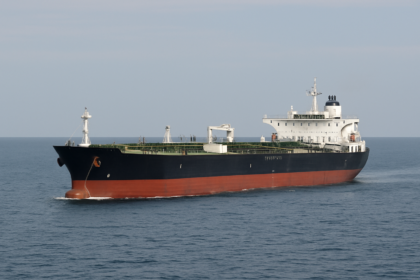
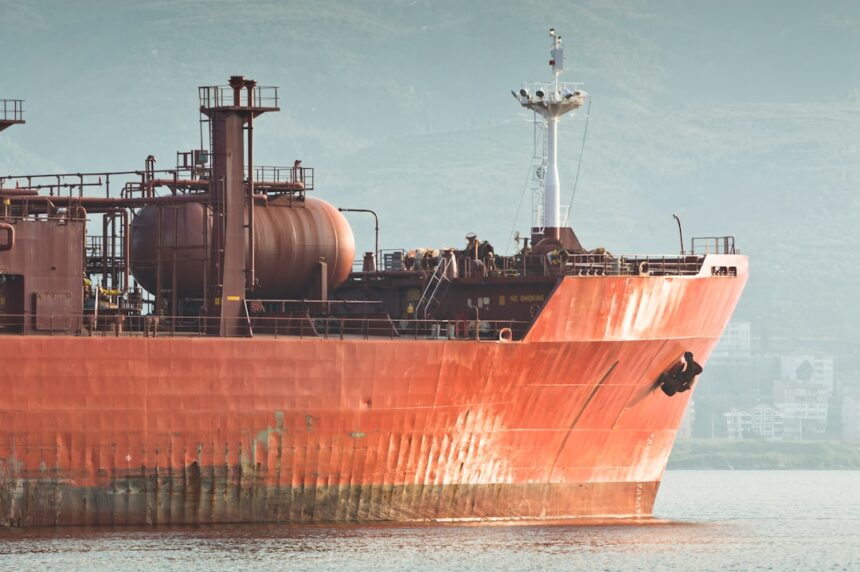
The United States has escalated its military actions in the Strait of Hormuz, targeting five oil tankers linked to Iran in an effort to curb the influence and operations of Iranian forces in the region. This tactical response follows claims by Tehran of attacking two US vessels along with eight oil tankers and another ten commercial ships that were navigating the strait.
Background of the Conflict
The Strait of Hormuz is one of the world’s most vital maritime chokepoints, through which a substantial percentage of the global oil supply transits. Over the past year, tensions have surged due to a series of confrontations between US naval forces and Iranian assets, fueling fears of a broader conflict that could disrupt maritime safety and oil markets. The recent U.S. strikes underscore the growing concern regarding Iran’s military activities in the region and their potential implications for shipping operators.

Impact on Maritime Operations
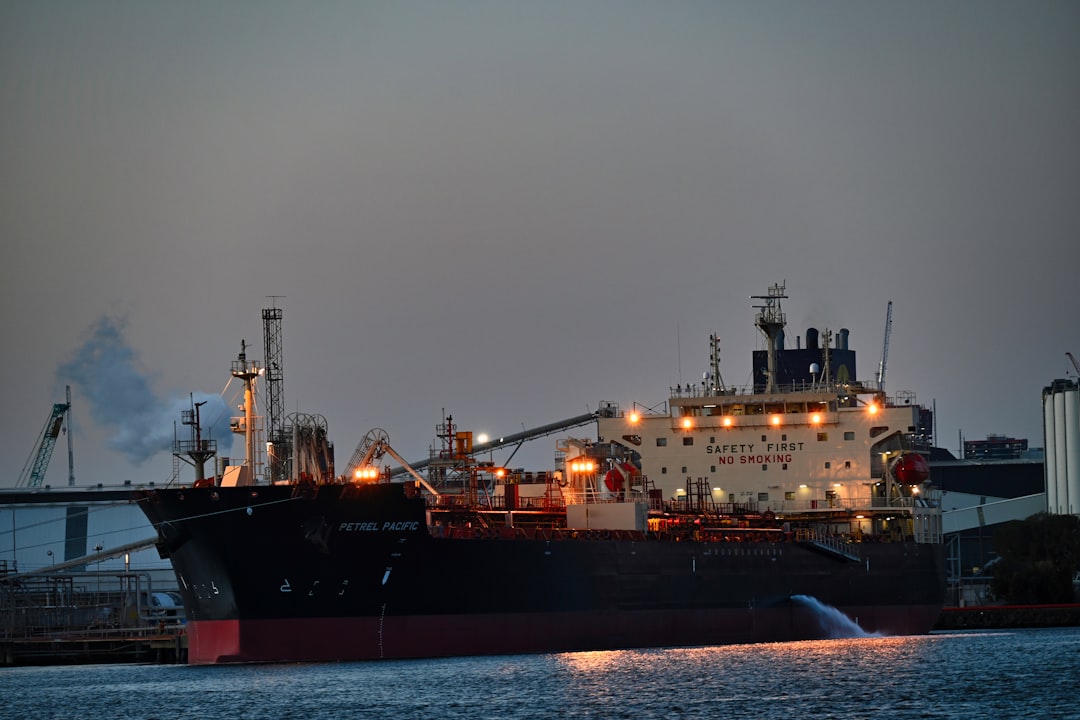
Shipping operators are bracing for increased operational risks as these military actions raise the stakes for all vessels traversing this key route. With Iran’s threats against commercial entities and US interests escalating, many shipping lines may reconsider their schedules and routes. The potential for disruption could lead to elevated war-risk premiums and extended laytime in port for vessels re-routing or waiting for safe passage.
The Operational Read
The current situation in the Strait of Hormuz presents significant challenges for operators, crews, and charterers. The volatility of navigational routes may compel many to seek alternative paths, such as around the Cape of Good Hope, despite longer transit times and increased fuel costs. The rising tension may also compel companies to assess their insurance agreements closely, particularly regarding war-risk premiums that could see upward adjustments. Operators should remain vigilant and responsive to the evolving geopolitical climate as events unfold.