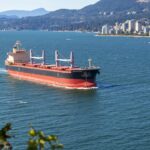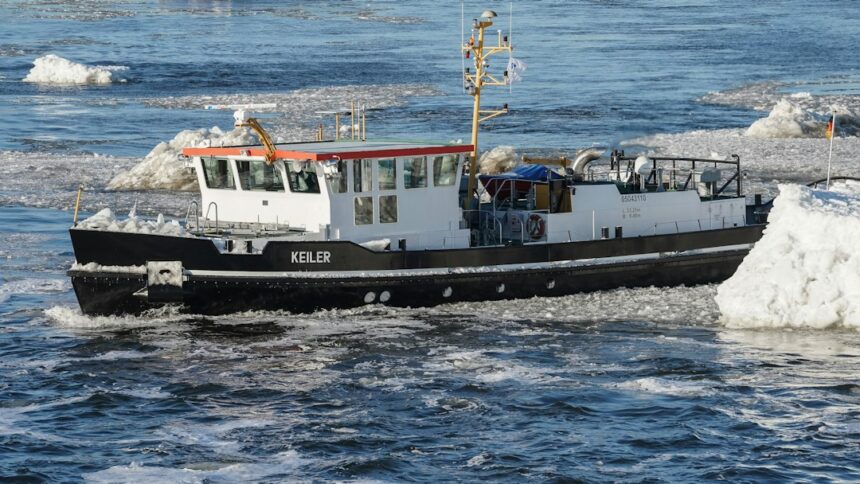
The U.S. Coast Guard is actively seeking support from commercial icebreaking vessels to facilitate safe navigation in Northeast ports this winter, addressing anticipated challenges from ice formation. A Request for Information (RFI) was issued on October 21, detailing the Coast Guard’s requirements for U.S.-flag, Jones Act-compliant vessels capable of performing emergency icebreaking operations across key waterways in New England and southern Connecticut.
The Operational Context
This initiative stems from experiences during the previous winter when severe ice conditions disrupted commercial shipping activities across the Northeast and Great Lakes. The Coast Guard aims to preemptively maintain shipping routes and ensure the stable delivery of critical cargo, including heating oil and other essential supplies. The operating regions specified in the RFI include Boston Harbor, the Cape Cod Canal, Buzzards Bay, Nantucket, Martha’s Vineyard, Narragansett Bay, and several Connecticut ports such as Bridgeport, Stamford, and New Haven.

Vessel Requirements and Operational Details
The Coast Guard has outlined that vessels must be capable of navigating through ice varying from 4 to 18 inches thick and must be ready to mobilize by January 2, 2027. Proposed operations are expected to meet key operational metrics, including the ability to clear shipping channels, escort vessels carrying vital cargo, and support communities facing ice-related challenges. The Coast Guard plans to offer 72 hours’ notice for deployment, with a minimum operational window of seven days required for continuous icebreaking support.

Future Considerations
This move coincides with ongoing efforts by the Coast Guard to modernize its domestic icebreaking fleet, which includes the potential acquisition of up to seven new Homeland Security Cutter–Light Icebreakers. Currently, the agency is focusing on gathering information about available commercial capabilities rather than issuing calls for binding proposals. Interested operators are invited to provide insights on their vessels’ experience, operational limits, and pricing structure, with RFI responses due by November 13, 2026.
Behind the Headline
The operational landscape for icebreaking in the Northeast highlights the necessity for reliable winter navigation solutions. As commercial operators prepare to respond to the Coast Guard’s RFI, the focus will be on maintaining critical supply lines during extreme weather events. This demand for commercial assistance underscores the challenges of an aging Coast Guard fleet, emphasizing the importance of public-private partnerships in maritime operations. Stakeholders should monitor the response outcomes and the subsequent operational strategies that emerge from this collaborative approach as winter progresses.