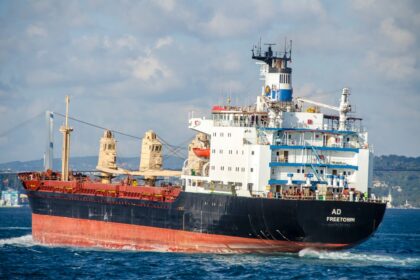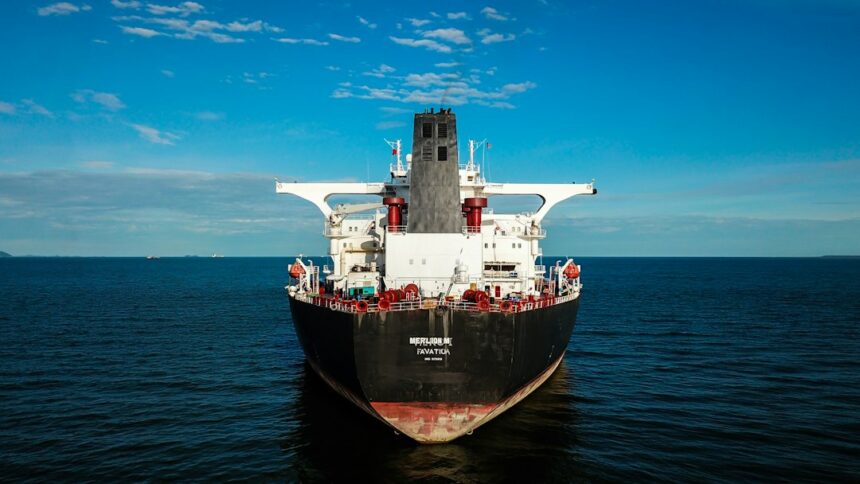
The tanker market is experiencing an unparalleled surge in secondhand sales, with Clarksons Research reporting that more than 588 tankers have been sold during the first ten months of 2026. This figure surpasses any previous full-year total, with sales amounting to approximately $30 billion.
The Market Dynamics
According to the latest data, the total tonnage sold reached 69.6 million deadweight tons (dwt). This level of activity indicates a significant paradigm shift in the tanker sector, driven by increasing demand for oil and petroleum products, particularly in emerging markets. The secondhand market is also witnessing steep increases in vessel prices, reflecting the current competitive landscape.
Price Trends and Buyer Behavior
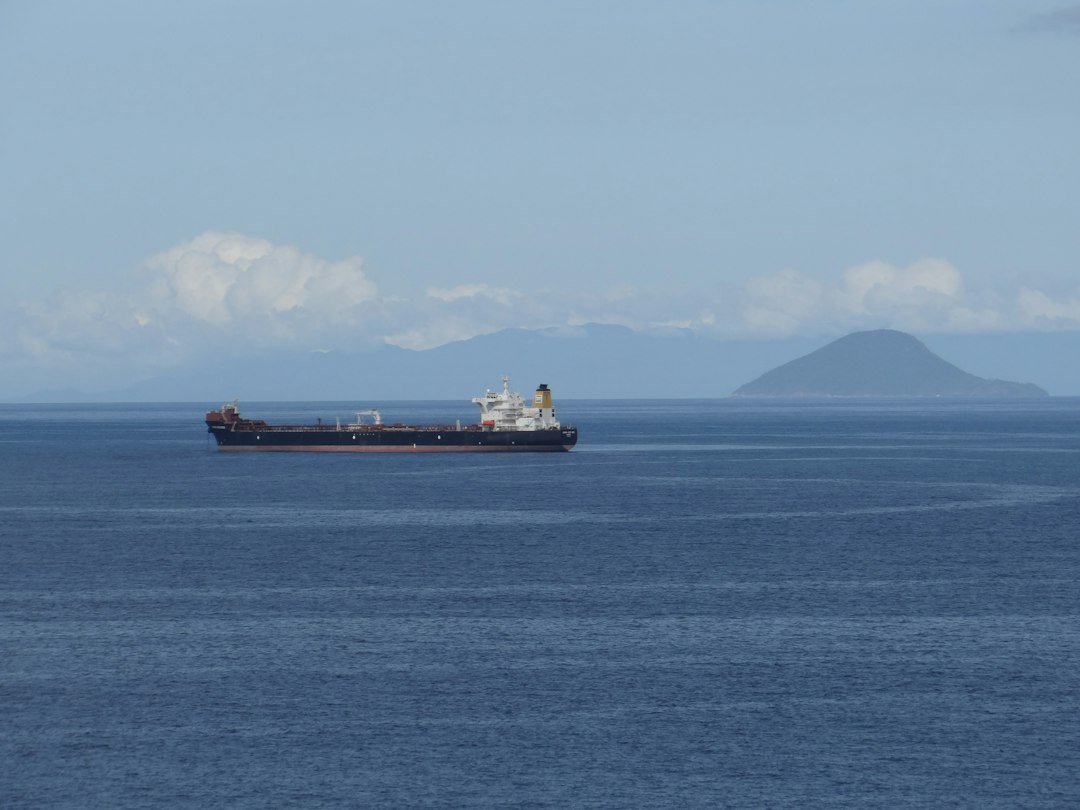
The escalation in secondhand pricing is attributed to various factors, including supply chain disruptions, a heightened focus on fleet renewal amid environmental regulations, and a strategic pivot by operators looking to capitalize on favorable market conditions. Operators are increasingly focused on acquiring newer and more efficient vessels, particularly dual-fuel options, to enhance operational efficiencies.


Future Implications for the Tanker Sector
As the tanker market continues to thrive, stakeholders are evaluating the long-term implications for both the buying and selling sides. While current momentum suggests a bullish outlook, challenges such as fluctuating fuel prices, regulatory changes, and potential economic shifts warrant close attention. Industry experts suggest that adaptability in fleet management strategies will be key for operators navigating this evolving landscape.
Behind the Headline
This record-breaking activity in the tanker secondhand sales market illustrates not just a momentary boom, but a potential long-term shift in operational strategies among shipping companies. With vessels exchanging hands at unprecedented prices, operators must consider the balance between immediate purchasing incentives and future operational costs, such as maintenance and compliance with emerging regulations. The focus on acquiring efficient, environmentally compliant vessels indicates a growing recognition of sustainability’s role in maritime operations, likely influencing purchasing decisions long into the future.