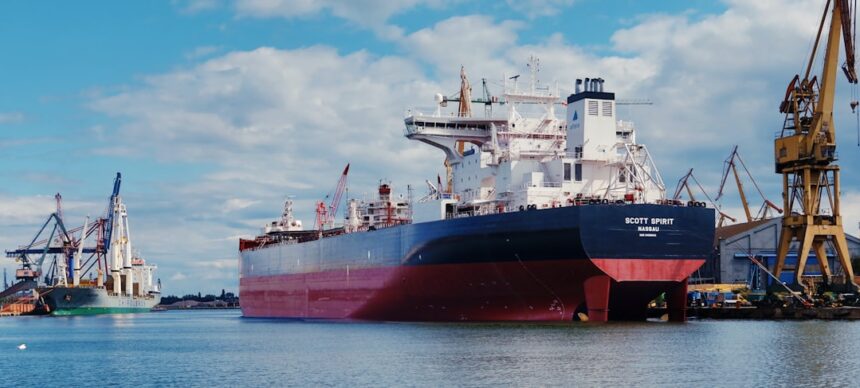
On August 25, vessel traffic through the Strait of Hormuz remained limited with only five ships transiting the area, highlighting ongoing regional tensions. This follows reports of advancing negotiations between Iran and Oman intended to manage traffic through this vital maritime chokepoint.
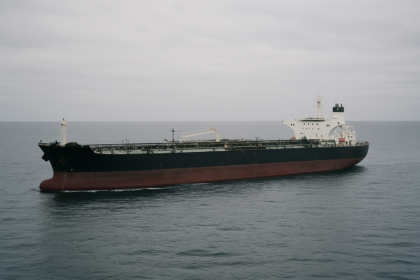
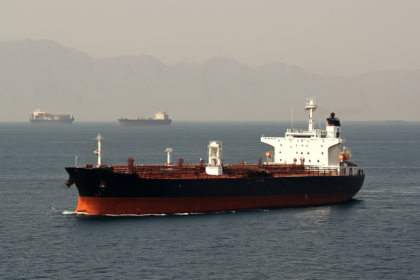
According to France-based data and analytics firm Kpler, the five vessels that transited utilized the Iranian Unilateral Scheme, comprising two ships entering the Persian Gulf and three exiting into the Gulf of Oman. Notably, Kpler classified four of these as shadow vessels and one as sanctioned. The situation underscores the critical security and operational challenges currently impacting maritime transit in the region.
Iran-Oman Negotiations
Iran’s semi-official Fars News Agency indicated that negotiations between Iran and Oman have been ongoing for the past month, with conclusions accepted by both countries. Spokesperson of Iran’s Islamic Revolution Guard Corps (IRGC) has stated that the strait could reopen if the United States ceased its obstruction and recognized Iran’s conditions. This creates a precarious situation for shipping operators who must navigate not only the geographical challenges but also the geopolitical landscape governing the region.

Compounding operational uncertainty, the IRGC issued a warning to the Indian tanker Haana, which turned back upon approaching the Persian Gulf via the southern route, known as the Oman Corridor. Fars reported no traffic observed along this route in the past 24 hours.
Market Dynamics and Shipping Adjustments
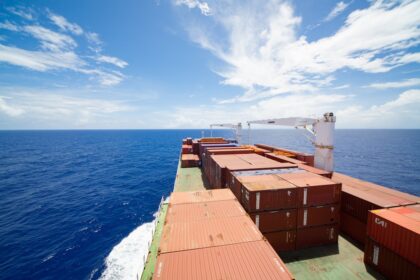
The Strait of Hormuz plays an essential role in global shipping, yet its closure has limited impacts on container shipping, with less than 2% of global container capacity routed through the strait annually. However, the ongoing upheaval has led to surging bunker fuel prices, affecting shipping rates across the board.
Additionally, a gradual return to the Suez route appears imminent, with several container carriers announcing partial returns via the shorter Asia-Europe route that has been largely avoided for nearly three years due to threats from Yemen-backed Houthi rebels. Mediterranean Shipping Company (MSC) has confirmed a partial return, while Maersk and Hapag-Lloyd are also adjusting operations back towards the Suez Canal.
Lars Jensen, president of Vespucci Maritime, indicated that normalization of traffic through the Suez Canal could be anticipated by the end of 2026, although certain services may still opt for routes circumventing Africa. As the landscape continues to shift, the Bab al-Mandab Strait remains one of the busiest oil chokepoints, with daily transits of approximately 9 million barrels of crude, representing a significant portion of global seaborne oil trade.
The Operational Read
The limited vessel transits through the Strait of Hormuz reflect the continuing geopolitical tensions and their impact on maritime operations. For shipping operators, understanding the implications of the ongoing Iran-Oman negotiations is crucial. The potential for improved passage through the strait could alter logistical planning, but the threat of geopolitical conflicts necessitates a cautious approach. Operators must also monitor the evolving situation in the Bab al-Mandab Strait, as fluctuations in tanker scheduling can significantly influence market dynamics and operational costs. Maintaining flexibility in routing options will be essential for navigating this complex operational landscape.