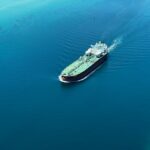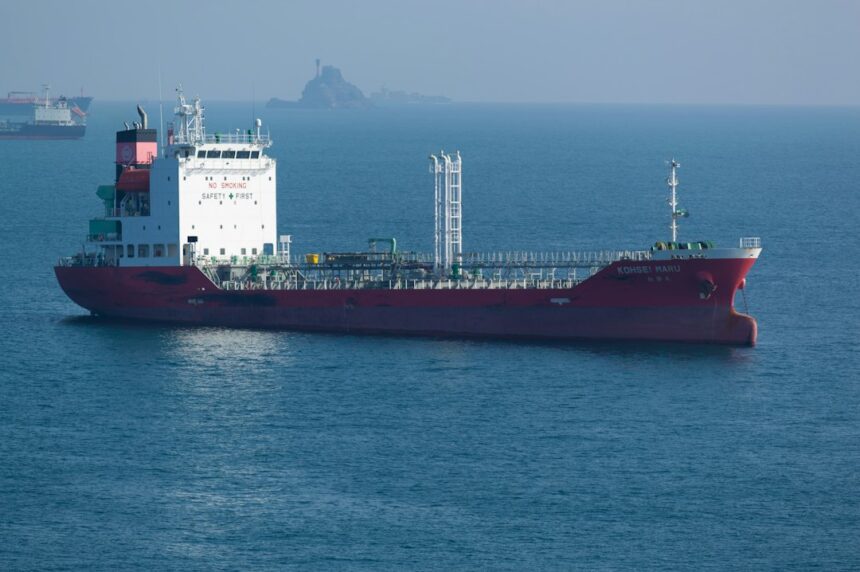
A striking shift in the global long-range 2 (LR2) tanker fleet has been observed, with 75% of these vessels now transporting crude oil instead of cleaner products. According to data from Signal Ocean, only a quarter of the world’s 542 LR2 tankers are currently engaged in transporting refined fuels such as jet fuel and diesel.
This trend comes amid a recovery of crude oil flows through the Strait of Hormuz, which has enabled charterers to capitalize on elevated freight rates. The use of a system for shuttle tankers and ship-to-ship transfers has facilitated a return to pre-war export levels from the Persian Gulf, significantly impacting market dynamics.
Market Trends and Earnings
As benchmark earnings for Very Large Crude Carriers (VLCCs) have soared, this has led to increased revenues for smaller tankers such as Aframaxes, which are now better positioned to command higher fees. The surge in crude transportation has become essential for shipping executives as they assess employment patterns within the LR2 fleet to determine pricing and deployment strategies.


The recent history shows that this shift began in earnest in 2025, coinciding with the onset of the Iran war, which severely curtailed the operational capacity of refineries across the region. The ongoing conflict has left about 1.7 million barrels per day of refining capacity offline, compelling charterers to pivot towards smaller product tankers.
Operational Implications
The decline in demand for clean product transport—dropping to just 12% from nearly 18%—reflects a tactical realignment in the sector. Shipping executives must now navigate the evolving market by monitoring LR2 engagements in both clean and dirty trades to establish competitive pricing. The benchmark freight index for LR2s saw an extraordinary increase; indices from Mediterranean routes to Asia grew over five-fold, while those from the Middle East to Europe more than doubled in the same period.
Behind the Headline
This realignment in tanker usage illustrates the volatile nature of oil shipping, influenced heavily by geopolitical tensions and market demand shifts. For operators, maintaining flexibility in vessel deployment is crucial, especially considering the unexpected rise in crude transport profitability. As the market landscape evolves, stakeholders need to track both LR2 employment rates and the underlying health of regional refining capabilities to forecast future freight trends and operational strategies effectively.