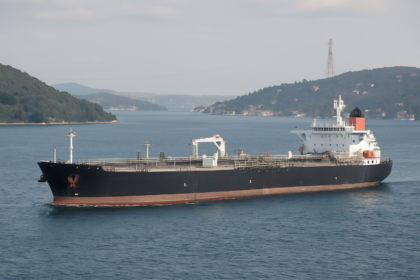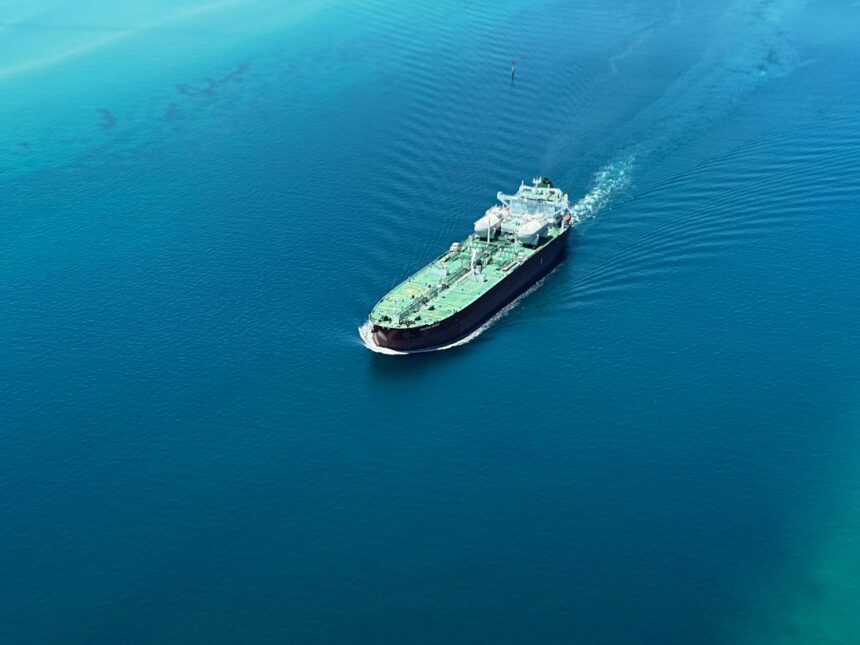
Peninsula, a key player in the bunker supply market, forecasts ongoing disruptions in bunker fuel availability that could extend into 2027, primarily due to geopolitical conflicts impacting supply chains. Recent comments from Jonas Bentsen, head of physical sales at Peninsula, indicate that the bunker market may not revert to normal conditions in the short term, citing the complexities arising from tensions between the U.S. and Iran that escalated earlier this year.
The Current Market Landscape
Throughout 2026, Singapore, recognized as the world’s largest bunker port, has experienced significant market volatility. Supply disruptions have been pronounced, with specific data showing a stark drop in fuel oil and residues exported from Persian Gulf ports to Singapore, plummeting from 186,000 barrels per day in the first quarter to just 22,000 b/d in the second quarter, before making a partial recovery to 96,000 b/d in the third quarter. These fluctuations have driven the bunker prices up considerably, with high sulfur fuel oil (HSFO) premiums assessed at $50.12 per metric ton as of November 23, compared to a pre-war baseline of $9.34/mt.
The disparity in pricing was accentuated by a record high of $228.73/mt reached earlier in the year, reflecting marked market instability. Platts assessments noted that the spread of the front-month Singapore 380 CST HSFO against Dubai crude has experienced significant variation, suggesting that while immediate supply pressures are beginning to ease, uncertainties regarding consistent availability and freight costs remain a concern.

Strategic Responses and Future Outlook
In light of these disruptions, Peninsula is taking proactive measures by expanding its barge fleet to enhance flexibility in responding to market shifts. Bentsen emphasized the importance of leveraging the company’s global supply network to optimize logistical operations effectively. This includes repositioning bunker barges to areas with rising demand and anticipating changes in bunker pricing conditions facilitated by arbitrage opportunities.
Market analysts from S&P Global Energy have projected that HSFO cracks are likely to normalize as demand stabilizes and freight rates level out. However, they also noted that power generation demands, especially during the winter months, could significantly impact these trends. Furthermore, Asian fuel oil production is anticipated to decline slightly, from last year’s figures, as refiners increasingly prioritize higher-margin middle distillates.
Behind the Headline
The bunker fuel market’s anticipated instability into 2027 underscores critical challenges for operators and charterers alike. With limited alternative sources of high-sulfur fuel oil from the Middle East, supply tightness could become a normalized aspect of the operational landscape. Companies may need to explore innovative supply chain solutions and enhance adaptability in their bunkering strategies. Operators are advised to stay informed about geopolitical developments and market trends, as these factors will likely influence operational costs and vessel scheduling in the months ahead.