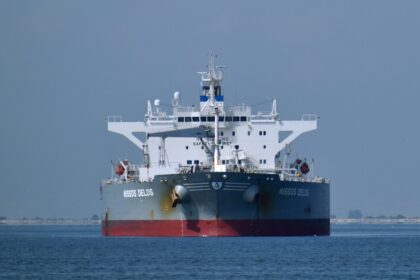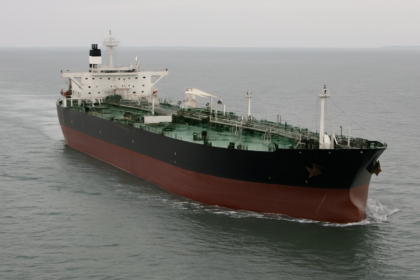
A Kuwaiti oil tanker, Al-Salam II, was attacked in the Strait of Hormuz on Tuesday evening, marking the latest incident in a series of maritime assaults in the region. According to the United Kingdom Maritime Trade Operations, the tanker was struck by a projectile above the waterline, resulting in a small hole and a minor fire, which the crew managed to extinguish. Fortunately, there were no injuries reported and no oil leakage was detected.
The Incident
This attack is indicative of a broader trend of increasing hostility in the Strait of Hormuz, a crucial maritime route for global energy exports. The incident follows closely on the heels of an attack on the Greek-owned tanker Metro Venetian a day prior, raising alarms among shipping companies operating in the area. The frequency of such attacks has raised substantial concerns for operators relying on this pivotal transit point.
Market Impact
Shipping traffic through the Strait of Hormuz has significantly diminished since the onset of hostilities, with current data showing only ten vessels transiting on Wednesday, a stark comparison to pre-war averages. This continued volatility is likely to elevate war-risk premiums for vessels operating in these waters, further straining the shipping industry’s operational cost structures amid tightening margins.

Operator Response
In response to the escalating maritime security incidents, operators are urged to enhance their risk assessments and implement additional safety measures. The recurrence of attacks has led to heightened scrutiny from various national governments, and shipping companies must navigate the complexities of both economic and geopolitical considerations as they engage in planning and transiting the strait.
The Operational Read
The ongoing attacks in the Strait of Hormuz illuminate the precarious nature of maritime operations in this vital corridor. Operators must reassess their safety protocols and consider alternative routing options as tensions escalate. With the U.S. and Iran negotiating terms that remain unresolved, the potential for further incidents looms large, calling for increased vigilance among crews and charterers alike. The ripple effects on insurance and operational costs will likely impact the wider maritime market as uncertainty persists in this crucial region.