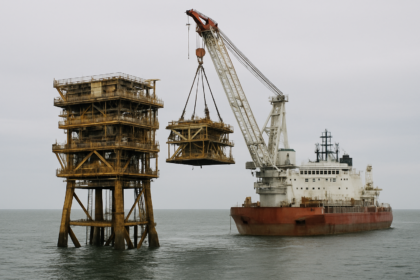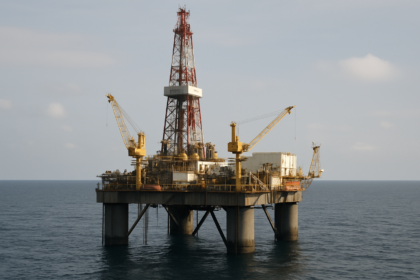
Operations at Woodside Energy’s floating production unit (FPU) within the Scarborough natural gas project remain paused due to a Greenpeace protest. The incident occurred on Saturday when four activists scaled the platform located approximately 375 kilometers off Australia’s northwest coast, unfurling banners that read, “Stop Woodside’s Dirty Gas. Save Scott Reef.”
The Project and Its Importance
The Scarborough project, with an estimated budget of $12.5 billion, is vital for Woodside’s operational strategy, aiming to deliver significant volumes of liquefied natural gas (LNG) to meet rising demand. However, environmental concerns surrounding the project have garnered increasing attention, particularly with regard to Scott Reef—home to diverse marine life and a foraging ground for the endangered pygmy blue whale.
Woodside maintains that planned activities at the project site, particularly any equipment or drilling operations, will not physically disturb the reef ecosystem as these will occur in water depths exceeding 75 meters. Nevertheless, environmental advocates argue that risks remain, considering the broader ecological impact.


Operational Status and Response
A Woodside spokesperson confirmed that operations at the Scarborough FPU are safely paused as the company addresses the situation. The Australian Border Force is currently collaborating with federal and state agencies to coordinate a response, but no immediate updates regarding the protest or operational timeline have been provided. The Western Australia police did not respond to requests for comment on the matter.
As the situation unfolds, Woodside’s ability to resume work hinges on the resolution of the protest and any potential legal implications that may arise from the activists’ actions. This incident underscores the tension between fossil fuel development and environmental protection, a narrative that is expected to become increasingly prominent as climate concerns intensify.
Behind the Headline
The ongoing pause in operations at the Scarborough natural gas project illustrates the complex interplay of energy development and environmental advocacy. For operators, the incident raises immediate operational challenges, including potential delays to project timelines and increasing scrutiny from regulators and environmental groups. In an era of heightened awareness of ecological impacts, projects in sensitive areas will continue to be the focus of protests. Industry stakeholders should closely monitor this evolving situation, as it could set precedents for future offshore developments.