Update 09 Nov 2026, 22:32 UTC:
Evidence has surfaced indicating that Iran has significantly expanded its use of fraudulent ship registries, with nearly 300 Iranian-linked vessels tracked operating under false flags over the past 90 days. This increase has prompted an alert from the U.S. Department of the Treasury’s Office of Foreign Assets Control (OFAC), alongside sanctions against key enablers facilitating these fraudulent activities.
The Scope of Fraudulent Registrations
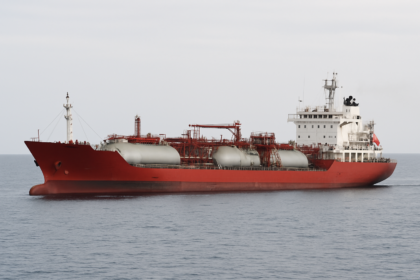
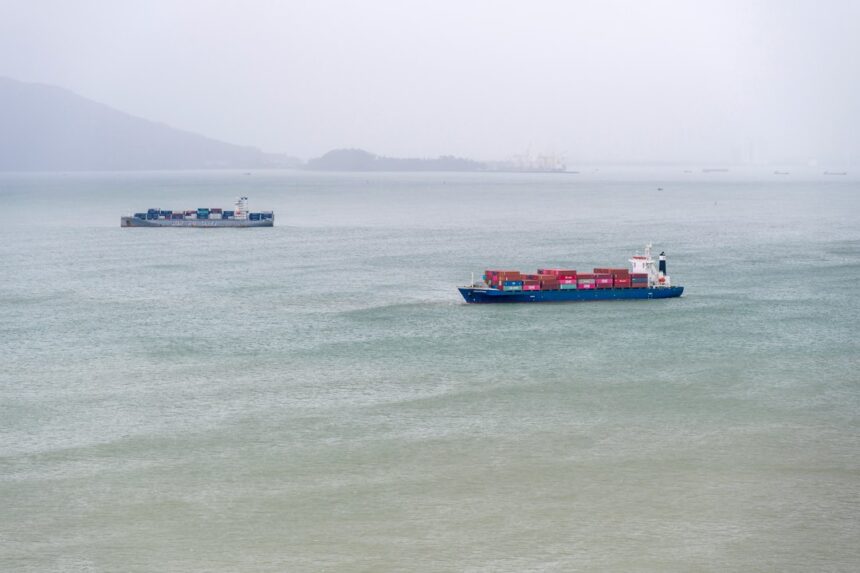
According to data from Windward, 278 vessels have been identified sailing under flags from 23 fraudulent registries within the Gulf region, Indian Ocean, and Gulf of Oman between August 6 and November 5. The top fraudulent registry is Nicaragua, accounting for 53 vessels, followed by Anguilla with 39 and the Netherlands Caribbean with 27. Notably, 68% of these ships are tankers, with 171 already sanctioned.


The significant increase in the number of general cargo ships utilizing fraudulent flags has also been highlighted, with a rise in registrations from just 11 to 38 vessels compared to the previous year. The activity suggests a strategic shift as operators adapt to circumvent sanctions imposed by the U.S., particularly following the blockade on Iranian ports that began in mid-July.
U.S. Treasury Actions
In response to the ongoing use of fraudulent ship registries, OFAC has taken decisive action against a network based in Chandigarh, India. The network, led by individuals Suniel Kumar Sharma and Jaspreet Preeti Shahid, has been involved in creating fake maritime registries and services for various jurisdictions, including Guyana and Aruba, to facilitate the operations of vessels transporting Iranian oil.
OFAC’s November 4 alert indicated that the reliance on false flags has grown since April 2025, illustrating how sanctions evasion tactics have evolved. The targeting of individuals in India underscores the international dimensions of the issue, highlighting how global networks are adapting to maritime regulatory challenges.
The Operational Read
The growing reliance on fraudulent registries by Iranian operators presents multifaceted challenges for maritime enforcement. For operators and crews, the continuing trend raises concerns about the risks of interdiction, especially given the increased scrutiny on vessels flagged under dubious registries. As the operational capabilities of enforcement agencies are tested, shipping companies must navigate a more complex risk landscape, balancing compliance with the scrutiny of sanctions directives. The emergence of this shadow fleet indicates a need for enhanced monitoring and regulatory adjustments by global maritime authorities to counter evolving evasion tactics effectively.