The Scottish Government has officially granted offshore planning consent for the Muir Mhòr floating wind farm, a significant project developed by Fred. Olsen Seawind. This renewable energy initiative will be positioned approximately 63 kilometers east of Peterhead and is designed to generate an impressive 1 gigawatt (GW) of energy.
Project Overview
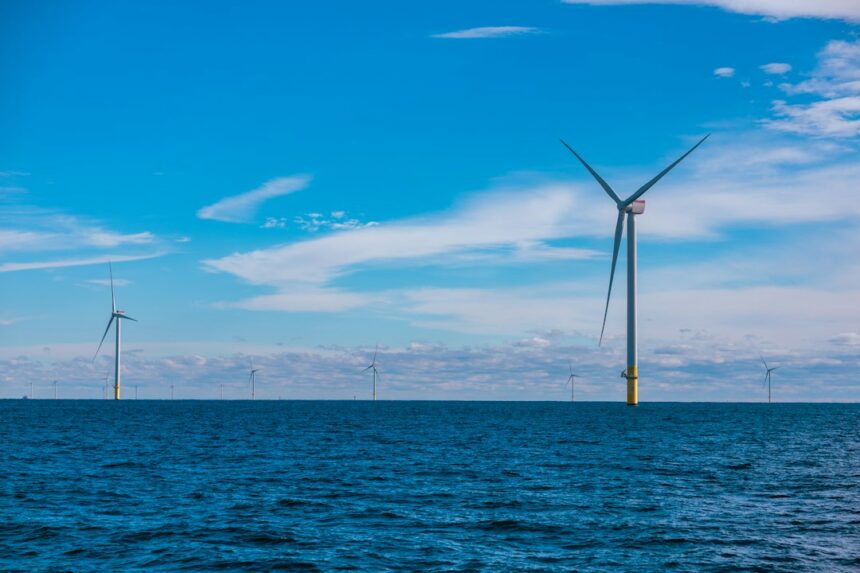
The Muir Mhòr project is set to feature up to 67 floating wind turbines, each designed to harness the strong winds off the Aberdeenshire coast. This capacity is expected to supply enough electricity to meet the annual consumption needs of approximately 750,000 homes, significantly contributing to Scotland’s renewable energy goals.
Floating wind technology is a critical component of the offshore wind sector, allowing for the placement of turbines in deeper waters where wind resources are often stronger and more stable. This innovative approach circumvents the limitations imposed by fixed installations, expanding the potential for renewable energy generation.


Environmental and Economic Impact
The approval of the Muir Mhòr floating wind farm is aligned with Scotland’s broader efforts to transition toward decarbonized energy sources. It reflects the government’s ambition to generate 50% of its energy from renewables by 2030. The project is anticipated to create numerous jobs during both the construction and operational phases, stimulating local economies.
Furthermore, the environmental benefits of the Muir Mhòr wind farm are significant, as it aims to reduce carbon emissions associated with traditional energy production. This aligns with global energy trends focused on sustainability and the reduction of greenhouse gases.
Future of Floating Wind Technology
The Muir Mhòr project is part of a growing trend in the offshore wind sector, where floating platforms are gaining attention for their flexibility and efficiency. This approval from the Scottish Government not only marks a local victory but also sets a precedent for similar projects worldwide, encouraging further investment in floating wind solutions.
With the global energy market continuing to shift towards renewable sources, the successful implementation of floating wind farms could significantly alter the landscape of offshore energy production.
Behind the Headline
The development of the Muir Mhòr floating wind farm illustrates the operational advancements within the offshore wind sector, especially as floating technology becomes more viable for large-scale energy generation. Operators will need to focus on the logistical challenges associated with deploying such technologies, including installation and maintenance of floating platforms in deeper waters. As regulatory frameworks and technological solutions evolve, the maritime industry must prepare for the ensuing shifts in workforce demands and supply chain logistics. Observing the project’s progression will be vital, particularly in understanding how floating wind farms can be integrated into existing energy grids.