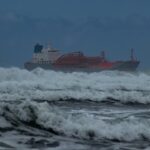
On Thursday, 26 November, the Maltese-flagged tanker Med Emre sank off the coast of Ibiza while transporting significant quantities of diesel. The vessel, which was en route from Algeciras to Barcelona, was reported to be carrying up to 7,000 tonnes of diesel and approximately 66,000 barrels of refined products when it went down in the early hours.
Rescue operations succeeded in saving 17 crew members, although one was later confirmed dead in the hospital. In response to the incident, Spanish authorities have mobilised marine pollution response measures, although initial assessments have indicated that no immediate pollution has been detected along the coast.
The Response
The Spanish government has activated a comprehensive response strategy, deploying both a boat and a plane from the maritime rescue service, Salvamento Maritimo, to evaluate possible environmental damage. Furthermore, the European Union’s Earth monitoring system, Copernicus, has been engaged to monitor the area more closely.

Experts emphasize the ecological significance of the Mediterranean Sea, particularly in light of the current incident. Emilio Rodriguez Diaz, a maritime security expert at the University of Cadiz, noted that the region is “particularly vulnerable,” which amplifies the risks associated with any potential pollution. Detrimental impacts on tourism and the critical habitat of seagrass, which acts as a significant carbon sink, are primary concerns amid worsening climate conditions.
Environmental Concerns
Marine conservation groups have raised alarms regarding the potential repercussions on migratory species, including turtles and dolphins. The oil spill poses severe risks as even small amounts of fuel could alter the thermal insulation of bird plumage, potentially leading to hypothermia among the critically endangered Balearic Shearwater.
Comparisons have been made to the infamous 2002 Prestige oil disaster, which resulted in massive environmental damage; however, experts are cautious, noting that the Med Emre’s double hull—designed to prevent leaks—mitigates some risks associated with traditional tankers.
The Operational Read
The sinking of the Med Emre highlights the fragile state of the Mediterranean ecosystem and the maritime industry’s ongoing battle with environmental sustainability. Shipping operators must recognize the increasing scrutiny and regulatory demands surrounding marine pollution, particularly in vulnerable areas. The incident serves as a reminder of the potential cascading effects of oil spills on local economies, wildlife, and environmental health. The focus will now shift to salvage operations and assessing long-term environmental impacts while industry stakeholders should prepare for stricter oversight and potential changes in operational protocols in sensitive marine environments.