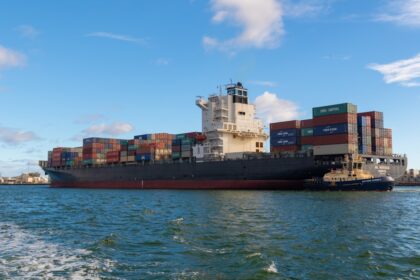
The latest analysis from Xeneta indicates a surprising trend in the container shipping market: spot rates from the Far East to both North Europe and the Mediterranean have increased despite the resumption of services in the Red Sea. Specifically, rates have risen by 6.8% to North Europe and 5.8% to the Mediterranean, which marks a notable shift after a period of decline since July.
The Current Market Dynamics
This increase comes as the shipping industry has seen increased capacity with the return of services to the Red Sea, which should theoretically relieve some pressure on freight rates. However, demand continues to exert a strong upward influence on spot rates. Peter Sand, Chief Analyst at Xeneta, attributes this resilience to a significant 12.2% increase in volumes shipped from the Far East to Europe during the first seven months of the year.
Data dated October 23, 2026, indicates current average spot rates are USD 3,698 per FEU for North Europe and USD 4,442 for the Mediterranean. In contrast, spot rates to the US, where figures have plateaued at around USD 8,311 to the West Coast and USD 11,525 to the East Coast, suggest a market peak, with expectations of a softening trend as the year closes.


Understanding Demand Factors
The dissonance between increasing capacity and rising rates can be largely explained by market demand. Historically, periods of disruption, such as conflicts in the Middle East, can introduce volatility in shipping routes. Yet, consistent strong demand for European services has countered expected rate declines. Sand notes that if demand falters, rates may inevitably collapse, but the market’s current strength suggests that it is robust enough to withstand fluctuations in capacity.
Comparatively, spot rates into Europe remain more competitive, even as they reflect increases from pre-Hormuz crisis levels. The spike in rates post-crisis, with increases reported at 67% for North Europe and 33% for the Mediterranean, emphasizes the market’s current dynamics and the impact of geopolitical events on shipping economics.
Future Outlook
As the situation in the Red Sea continues to develop, with ongoing geopolitical tensions, attention will be focused on how these dynamics impact future rate fluctuations. The resilience of demand on key shipping routes from the Far East to Europe may hold critical implications for operators and charterers alike as they navigate uncertainty and prepare for potential shifts in the market.
Behind the Headline
The recent uptick in spot rates amidst increased fleet capacity brings to light a key operational reality: demand dynamics currently dominate market influences. Shipping operators and freight forwarders must stay attuned to these trends, understanding that while capacity expansions typically relieve rate pressures, this scenario illustrates the compounding effect of strong demand. Observations show that as geopolitical factors continue to introduce uncertainty, the sustained demand for Far East to Europe routes will be crucial for maintaining rate stability and optimizing fleet deployment strategies.