Norwegian offshore contractor DOF has secured a significant contract for the transport and installation of a floating offshore wind development in the North Sea. The new agreement reflects the growing trend towards utilizing renewable energy sources and highlights DOF’s expanding role in this sector.
The Project Scope
While specifics regarding the client and the project itself have not been publicly disclosed, DOF has provided some insight into the scope of work involved. This encompasses comprehensive inshore marine operations as well as the installation of floating turbines and their associated export cables. Currently, engineering efforts are already underway, indicating a proactive approach to project commencement.
Significance of Floating Wind Technology
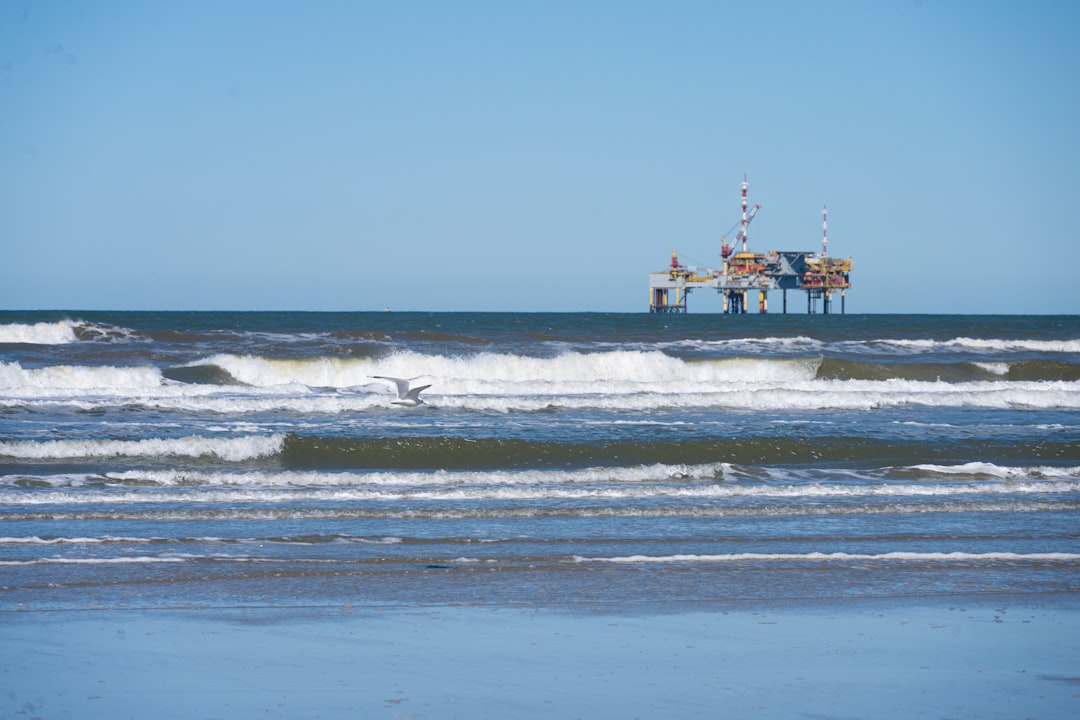
The increasing implementation of floating wind technology is seen as integral to meeting renewable energy targets, especially in regions like the North Sea, where traditional fixed-bottom offshore turbines may not be feasible. These innovations promise to harness wind energy in deeper waters, thus expanding the potential for energy production.


Operator Response
As activity in the offshore wind sector escalates, operators are likely to monitor this development closely. Successful execution of the project could bolster DOF’s reputation as a leader in offshore installation services, prompting further opportunities in the growing market for renewable energy solutions. The importance of maintaining robust operational standards while managing costs remains a crucial focus area as engineering progresses.
Behind the Headline
The acquisition of the floating wind installation contract by DOF illustrates a significant shift towards renewable energy within the maritime industry. The operational complexity of such projects demands not only technical expertise but also innovative solutions for transportation and installation. As firms like DOF engage in the expanding offshore wind market, attention will likely turn to the collaborative dynamics between contractors, developers, and regulatory bodies. The successful implementation of floating technology may pave the way for scaling similar initiatives globally, marking a pivotal moment for the industry.