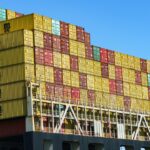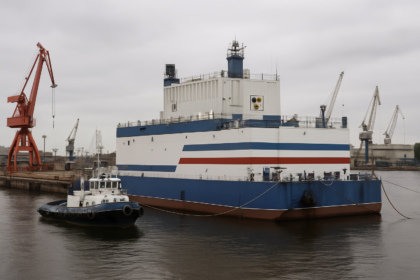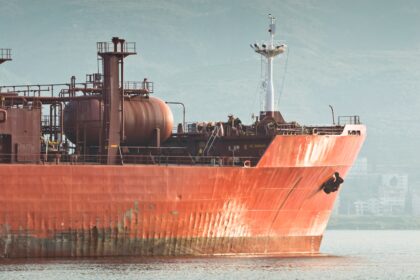
In a historic display of solidarity, dockworkers around the world have mobilized today at 113 ports across 22 countries and territories, marking one of the largest coordinated labor actions in maritime history. Organized under the slogan “Dockworkers do not work for war,” this extraordinary effort has seen participation from over 25 unions, significantly expanding the initial mobilizations that involved only 20 ports in seven countries.
The Scope of the Mobilization
The strikes and demonstrations are intended to send a clear message against the involvement of labor in wartime activities, particularly as global tensions escalate. With a diverse range of ports participating, from major international hubs to smaller terminals, the scale of this action underscores a growing consensus among workers regarding the impact of geopolitical conflicts on the shipping industry.
The unions involved have cited concerns over the effects of military engagements on labor conditions, shipping logistics, and overall maritime safety. There is a palpable sense of urgency behind this coordinated effort, as dockworkers push back against policies that may compromise their rights and the integrity of their operations.

Market and Operational Implications
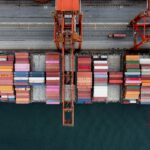
The mobilization is expected to disrupt operations in key global trade routes, which could have significant ramifications for logistics and supply chains. Strikes may result in delays in vessel turnaround times, affecting laytime and potentially incurring demurrage costs for operators. Such disruptions can ripple through the supply chain, impacting everything from delivery schedules to freight rates.
Moreover, with tensions heightened in various geopolitical contexts, the solidarity displayed by dockworkers could spark further negotiations regarding working conditions, labor rights, and potential risks associated with war-related activities. Stakeholders across the maritime sector will be closely monitoring the developments from these protests to understand their implications for future operations.
Behind the Headline
This coordinated labor action reflects a significant shift in the maritime industry’s approach to geopolitical issues, highlighting labor’s willingness to engage with broader societal concerns. For operators and shipping companies, the implications are profound: disruption in operations leads to financial losses and challenges in maintaining schedules. As dockworkers assert their stance, companies may need to reassess their labor relations strategies and contingency planning. The evolving scenario calls for vigilance and adaptation from all stakeholders as they navigate the complexities of global maritime operations amid rising tensions.