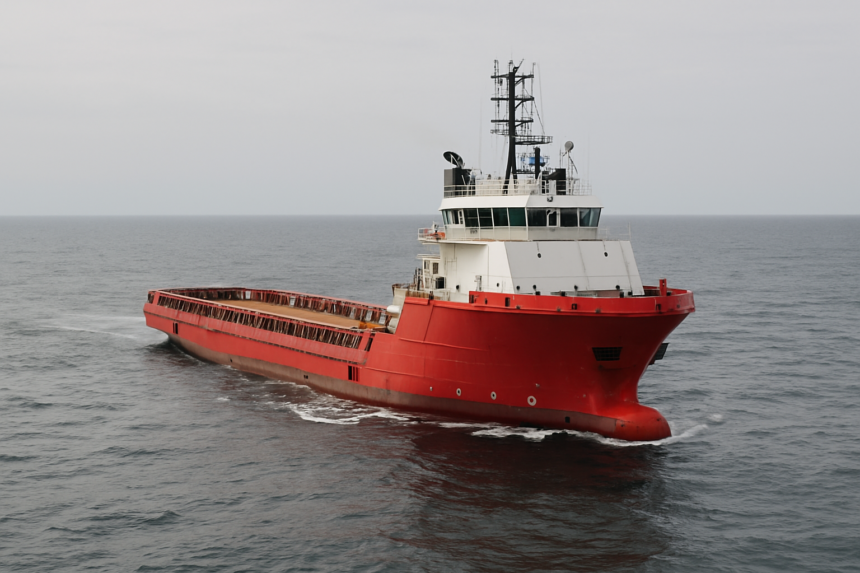
Norwegian offshore vessel owner Eidesvik Offshore has finalized a new long-term contract with Aker BP, solidifying its position in the offshore supply sector. The agreement encompasses the deployment of the platform supply vessel (PSV) Viking Prince and spans four years with options for two additional two-year extensions.

The Contract Details
This frame agreement represents a continuation of the strategic alliance between Eidesvik Offshore and Aker BP that has developed over several years. Under this contract, the Viking Prince is set to provide crucial logistical support to Aker BP’s offshore operations, aligning with the company’s ongoing development projects in the region.
The agreement is structured to enhance operational efficiencies and ensure reliable supply chain operations essential for the successful execution of Aker BP’s future plans. This aligns with industry trends emphasizing the need for robust supply chain solutions as energy companies seek to optimize operational readiness.


Sector Implications
As the offshore energy sector grapples with fluctuating demands and operational challenges, partnerships such as the one between Eidesvik and Aker BP are vital for stable operations. The long-term commitment provided by this contract not only secures employment for the Viking Prince but also fortifies the service capabilities of Eidesvik’s fleet.
Furthermore, this deal is indicative of the broader market dynamics where supply chain stability and operational continuity have become pivotal due to evolving energy demands and the need for sustainable practices in offshore operations.
Behind the Headline
This long-term contract for the Viking Prince emphasizes a strategic approach within the offshore sector as companies like Aker BP seek to ensure reliable supply chain solutions. For vessel operators, securing contracts of this nature is critical, as it provides predictability in revenue and workload, thereby optimizing vessel utilization rates. As energy transition strategies continue to evolve, ongoing partnerships that focus on efficiency and sustainability will be essential. Monitoring the developments of this agreement and potential extensions will be key for stakeholders in the offshore supply chain.