Update 17 Nov 2026, 10:33 UTC:
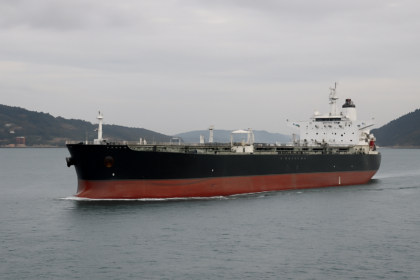
On Monday, the merchant vessel Betul 8 capsized in the Black Sea, approximately 40 nautical miles southeast of Cape Kaliakra, Bulgaria, following a suspected naval drone attack. The 3,223 dwt vessel was operating within Bulgaria’s exclusive economic zone, highlighting the increasing threats to commercial shipping in this strategic region.
The Incident
The capsize of Betul 8 is a stark reminder of the escalating naval threats facing merchant vessels in the Black Sea. According to reports from Bulgarian maritime authorities, the ship went down amidst increasing tensions in the area characterized by heightened drone surveillance and operations. As maritime security concerns grow, the possibility of further attacks casts uncertainty over shipping operations.


Market Impact
This recent incident is likely to provoke a review of risk assessments for shipping routes in the vicinity of NATO territorial waters. Shipping companies may respond by adjusting sailings or rerouting vessels to avoid high-risk areas, influencing operational costs linked to laytime and demurrage. The insurance market could also react with rising war-risk premiums as operators become more cautious in the face of security threats.
Operator Response
In light of the Betul 8 incident, vessel operators are encouraged to enhance their situational awareness and develop contingency plans for potential threats. Maritime security agencies are expected to increase surveillance and communication to warn vessels about changing conditions and threats. Additionally, collaboration among shipping companies to share intelligence will be crucial to navigate the dangers posed by drone activity in the Black Sea.
The Operational Read
The recent capsize of the Betul 8 illustrates the urgent need for an operational reassessment among shipping operators in the Black Sea. With drones posing a real and immediate risk, companies must prioritize the safety of crew and cargo, potentially revising operational protocols and investing in defensive measures. Continuous monitoring of maritime conditions and immediate response strategies are vital to minimize risk and safeguard navigation. As the situation evolves, operators should remain vigilant to adapt swiftly to a changing threat landscape.