On November 20, 2026, the ports of Long Beach and Los Angeles marked twenty years since the introduction of the Clean Air Action Plan (CAAP), a pivotal strategy aimed at reducing air pollution generated from various port activities. The CAAP has significantly advanced as both ports now look to further their initiatives towards achieving zero-emission operations.
Achievements Over Two Decades
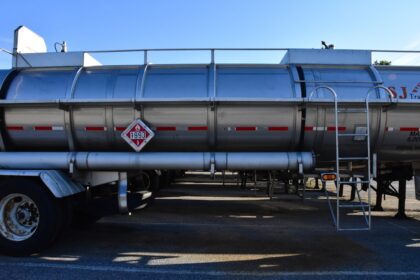
Since its adoption in 2006, the CAAP has been instrumental in coordinating strategies to substantially decrease emissions from ships, trucks, trains, cargo-handling equipment, and harbor craft. According to recent data, the ports have seen a remarkable 90% reduction in diesel particulate matter, alongside a 70% decrease in nitrogen oxides and a 98% reduction in sulfur oxides. This progress has occurred despite an increase in international trade volumes handled by the ports.
Commitment to Future Innovations
Leaders from both ports underscored their ongoing commitment to expanding clean air initiatives. Steven Neal, President of the Long Beach Board of Harbor Commissioners, emphasized the importance of collaboration, stating that past achievements highlight the ports’ capacity to merge trade and environmental responsibility. Los Angeles Harbor Commission President Beatrice Hsu echoed this sentiment, asserting that health and trade can coexist synergistically. The ports are exploring new partnerships, including Green Shipping Corridors with ports in Asia and Green Truck Corridors to Canada and Mexico.

Executive Directors from both ports affirmed their dedication to not merely resting on past successes but continuously evolving the CAAP to embrace innovative strategies and technologies. This commitment includes an increased focus on enhancing zero-emission equipment and establishing infrastructure supportive of these objectives.
Operational Impact
The CAAP has produced measurable results since its implementation. Notably, the Clean Truck Program, launched in 2008, has replaced thousands of older, high-emission trucks, leading to over 90% reduction in truck-related air pollution within just three years of launch. Moreover, compliance rates for vessel speed reduction measures have exceeded 95% within 20 nautical miles of the harbor, while shore power installations have allowed vessels at berth to reduce emissions substantially.
Behind the Headline
The ongoing evolution of the Clean Air Action Plan reflects a critical response to the operational realities facing major ports amid increasing environmental regulations and stakeholder expectations. The successful reduction in emissions underscores the feasibility of implementing advanced technologies and practices in a busy trade environment. As the San Pedro Bay ports transition towards zero-emission operations, operators must remain vigilant in adapting to the changing regulatory landscape while fostering community relations. Future initiatives, such as the development of Green Corridors, will likely set the stage for further innovations in port sustainability and environmental stewardship.