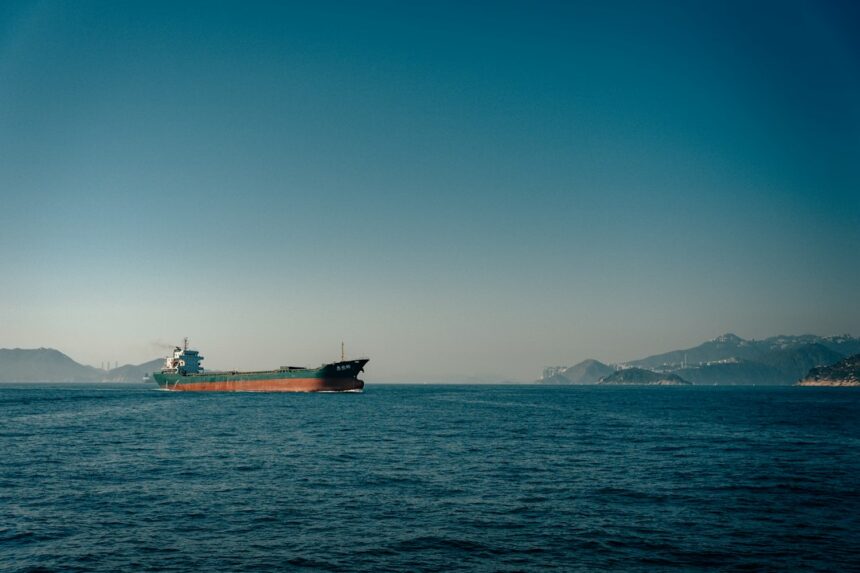
Norwegian offshore engineering contractor Subsea 7 has initiated a search for a buyer for its pipelay and heavy-lift vessel, Seven Borealis. This action comes as a direct requirement stemming from its planned merger with Saipem, which has recently received conditional approval from Brazil’s competition authority, CADE.
Merger Conditions
The Brazilian regulator has stipulated that Subsea 7 must divest certain assets to ensure market competition is not adversely affected by the merger. This divestment specifically targets Seven Borealis, which plays a crucial role in Subsea 7’s operational capabilities within the offshore sector.
Implications for Subsea 7
The sale of Seven Borealis not only marks a significant shift in Subsea 7’s asset portfolio but also reflects a more extensive trend of consolidation within the offshore engineering industry. As companies navigate complex regulatory environments, the need to comply with merger conditions is becoming increasingly common, potentially reshaping operational strategies across the sector.

Behind the Headline
This divestiture highlights the financial and operational complexities that offshore engineering firms face in a rapidly consolidating market. For operators and stakeholders, the focus will be on how Subsea 7 manages the impact of losing such a significant asset on its project pipeline and overall service offerings. As firms like Subsea 7 and Saipem merge to remain competitive, the broader implications for operational dynamics and market structure will warrant close attention in the coming months.