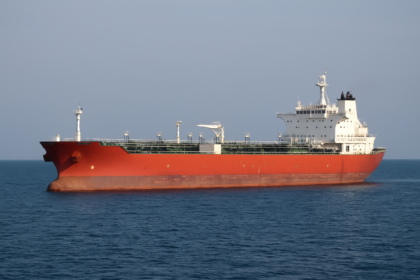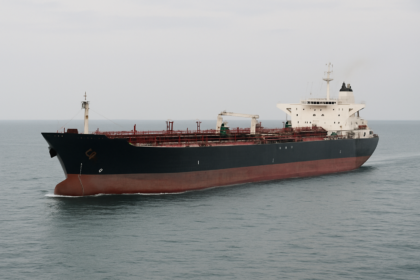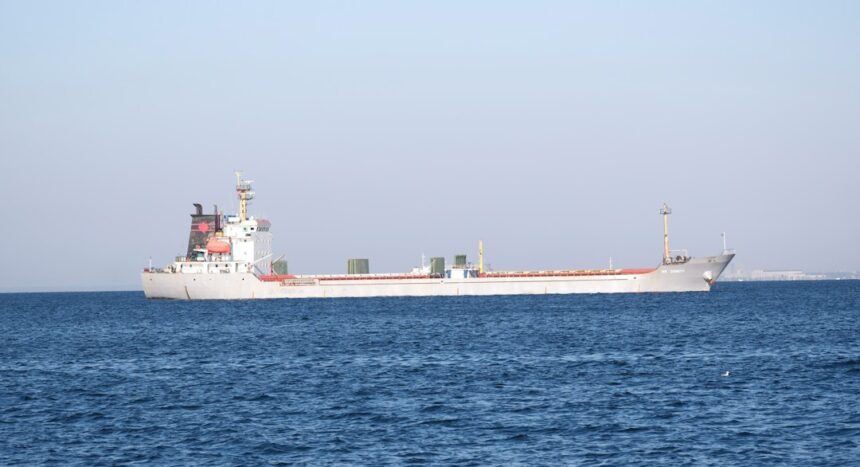
Iran’s recent expansion of its Non-Compliance List has reshaped the operational landscape for oil shuttle tankers in the Persian Gulf. As of November 2, the Persian Gulf Strait Authority (PGSA) has designated 130 of the 231 tankers involved in Gulf shuttle operations as non-compliant, which is over half the fleet. Notably, these designated vessels account for approximately three-quarters of all shuttle runs between Gulf loading terminals and ship-to-ship (STS) locations east of the Strait of Hormuz.
Shuttle Operations Under Scrutiny
The continued operational viability of designated tankers raises critical questions about the impact of Iran’s restrictions on oil exports. Despite being targeted, these vessels have maintained significant loading volumes from Gulf terminals. Between mid-September and late October, the designated shuttle fleet averaged 2.1 mbd in oil loading, reflecting a substantial rise from 1.5 mbd recorded during the June to July period.
This increase is mirrored by a parallel rise in overall Gulf shuttle volumes, which grew from 5.7 mbd in August to 8.5 mbd in October. The operational resilience underscores the adaptability of shipping operators as they navigate these regulatory pressures.


Operational Challenges and Adaptations
In the wake of Iran’s designations, operators are increasingly turning to additional STS transfers to facilitate oil movements. Recent data indicates that about one in five barrels relayed by designated tankers involved a second STS transfer in the Gulf of Oman, a rise from one in six prior to their listing. In contrast, tankers not yet on the list exhibited a decrease in this practice, dropping to one in ten.
The designation of tankers is characterized by a bias towards the more active participants in shuttle operations. While only 26% of vessels that conducted a single shuttle run since March are on the Non-Compliance List, an overwhelming 89% of vessels that have made seven or more runs are included. This discrepancy suggests a targeted approach by authorities towards the busiest vessels.
Behind the Headline
The impact of Iran’s designations on tanker operations exemplifies an ongoing adaptation within the global oil market. Despite the regulatory hurdles, the sustained volumes of oil being loaded by designated vessels signal a complex interplay of compliance and operational agility. The shift towards more frequent STS transfers highlights how shipping operators are re-evaluating logistics to maintain flow, ensuring that oil movements are not significantly hindered. The continued growth in Gulf shuttle operations may prompt further examinations of how such sanctions can be effectively enforced without precipitating severe disruptions in oil supply.