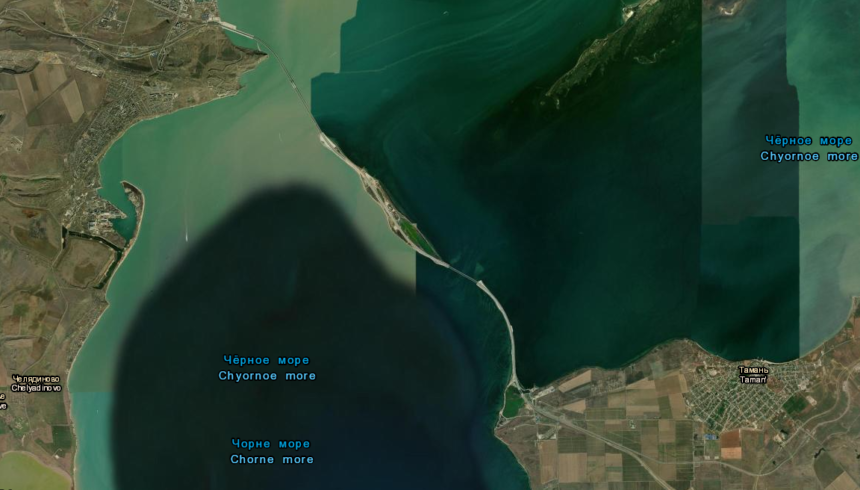
The partial collapse of the Kerch Strait Bridge after Ukrainian military action threatens to disrupt grain exports from the Azov Sea region, a pivotal area for Russian agricultural shipments. The bridge, linking the Russian mainland to occupied Crimea, suffered significant damage, complicating logistics for exporters and increasing the uncertainty surrounding future operations.
The Incident
On Tuesday, Ukrainian forces targeted a central road span of the Kerch Strait Bridge, resulting in debris falling into the navigable waterways of the Kerch-Yenikale channel. This infrastructure is crucial not only for road traffic but also for maritime operations, making this event noteworthy for those involved in the shipping and agricultural sectors.
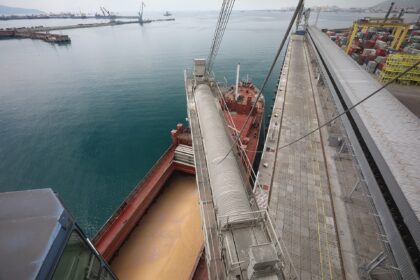
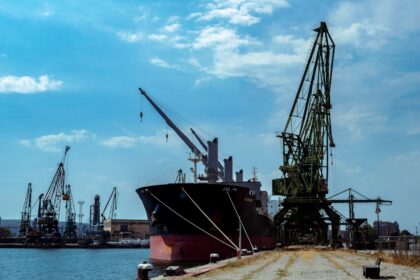
Prior to this incident, the Kerch Strait served as a vital conduit for grain shipments, allowing Russia to transport significant volumes of agricultural products to international markets. The bridge’s status now poses a considerable risk to timely deliveries, potentially delaying the resumption of operations by several months.


Market Impact
With the grain trade being a cornerstone of the Russian economy, the ramifications of this damage extend beyond immediate logistical challenges. As exporters seek alternative routes, freight rates are expected to rise due to increased congestion and demand for available shipping channels. This situation is likely to create a ripple effect across global grain markets, impacting pricing and supply dynamics.
Stakeholders are turning their attention to the recovery efforts and any alternative strategies that may arise during this period. The ongoing conflict hints at future volatility in the region’s maritime logistics, with operational procedures needing to adapt continually.
Operator Response
Grain operators are exploring alternative supply channels to mitigate the impact of the bridge collapse. Potential options include utilizing overland routes to neighboring ports or increasing reliance on rail transport to circumvent the disrupted maritime route. Additionally, monitoring weather and sea conditions will be vital as operators assess the safest and most effective methods to navigate the affected areas.
As owners and charterers of vessels involved in grain shipping adapt their strategies, the situation illustrates the critical intersection of maritime infrastructure and geopolitical conflict, obligating the industry to remain vigilant.
Behind the Headline
The damage to the Kerch Strait Bridge underscores the fragility of maritime supply chains in conflict zones. For operators and charterers, this incident emphasizes the need for agile response plans that accommodate sudden disruptions caused by military actions. The heightened risk will likely prompt shipping companies to revisit their operational contingencies, including considerations for insurance and risk assessments. Going forward, stakeholders should watch for developments regarding the bridge’s reconstruction, as delays could significantly alter export volumes and market pricing for grain in the coming months.