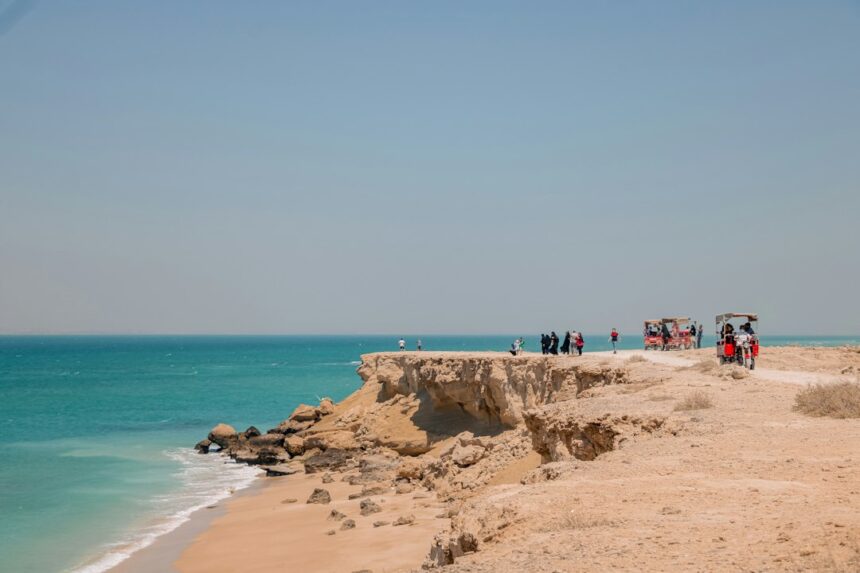
American military forces executed airstrikes on an Iranian missile launch site located on Qeshm Island on Tuesday. This assault, confirmed by a U.S. military official, is part of a broader pattern of escalating military engagements between the U.S. and Iran, particularly in the context of the Strait of Hormuz, a critical pathway for global oil transportation.
Context of the Strikes
The attack targeted the Islamic Revolutionary Guard Corps (IRGC) installations, deemed necessary due to recent Iranian aggressions directed at U.S. personnel and interests. Reports from Iran’s Mehr News Agency indicated that U.S. strikes were not expected to cause casualties or disrupt essential infrastructure. Despite these claims, the military operations reflect rising tensions characterized by multiple Iranian assaults, including three attacks on Bahrain within a week.
In light of the attacks, President Donald Trump announced the initiation of investigations into reported Iranian threats targeting Washington, signaling a growing concern about the implications of these regional hostilities. Notably, the cyclical nature of these confrontations poses significant risks of escalation between the two nations.

Market Impact
Following the airstrikes, oil prices exhibited upward momentum with Brent crude approaching $94 a barrel. This increase suggests reactions from the commodities market to the heightened geopolitical environment, particularly following a notable decline post the recent U.S. midterm elections. The market dynamics illustrate how military actions in the region can directly influence global energy prices.
Amidst these developments, Iranian leadership, represented by parliamentary speaker Mohammad Bagher Ghalibaf, issued warnings of potential reprisals against civilian infrastructure near U.S. and Israeli military bases should the U.S. continue such strikes. Ghalibaf’s remarks indicate a promise of retaliation, aligning with Iran’s historical approach to perceived threats.
The Operational Read
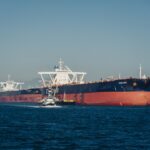
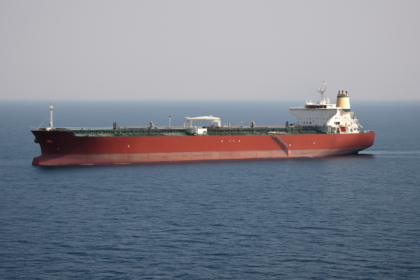
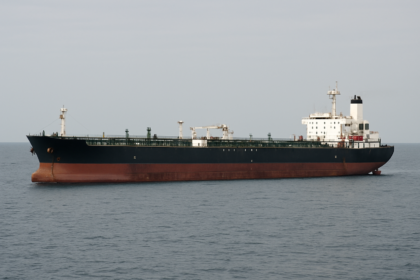
The operational landscape surrounding the Strait of Hormuz is becoming increasingly fraught for both commercial operators and military entities. U.S. strikes aim to reinforce security and freedom of navigation through this vital trade artery, but retaliation threats from Iran complicate these efforts. Shipping operators must now navigate a more complex risk environment, prompting considerations of war-risk premiums and rerouting strategies through less contentious paths. As both nations persist with military operations while pursuing diplomatic negotiations, closely monitoring developments will be essential for stakeholders within the maritime industry.