Update 11 Nov 2026, 22:35 UTC:
U.S. containerized imports reached a remarkable 2,674,808 twenty-foot equivalent units (TEUs) in October 2026, marking the highest monthly volume on record and a 5.0% increase from September. This figure also indicates a substantial 16.0% rise compared to October 2025, surpassing the previous record set in May 2022 by 2.0%. The surge in imports underscores shifting patterns in global trade and operational dynamics within the U.S. logistics system.
Trends in Container Volume
Through the first ten months of 2026, U.S. container imports increased by 2.3% compared to the same period last year, reflecting a general recovery trajectory following earlier declines. Notably, imports originating from China increased for the fourth consecutive month, amounting to 987,805 TEUs, the highest volume recorded since January 2025. This increase is indicative of revitalized supply chain connections as trade relations adapt.


The top ten countries of origin for U.S. container imports collectively experienced a 5.8% rise from September, with seven nations showing notable volume gains. This broad-based increase signals strong demand across multiple trade routes, necessitating importers to remain vigilant regarding changing sourcing and routing strategies.
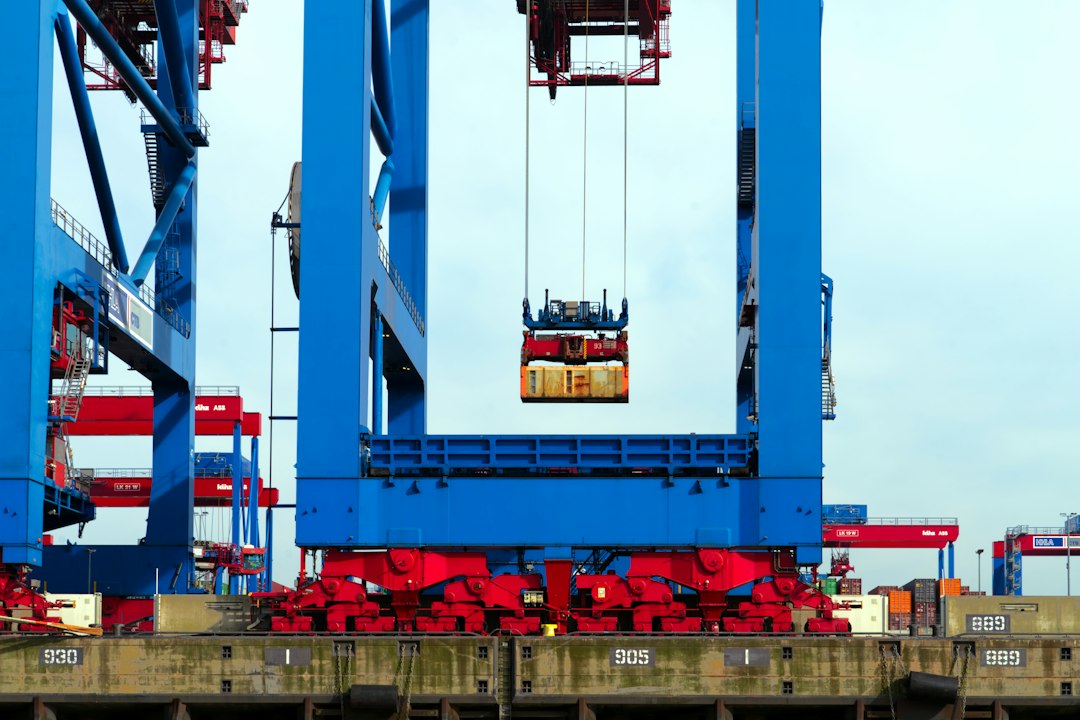
Port Performance and Regional Impacts
Combined imports across the top ten U.S. ports rose by 4.5% from September to October, totaling an additional 98,272 TEUs. Houston led the pack with a notable 26.7% increase (42,665 TEUs), reflecting its growing significance as a logistical hub. Other important gains were seen in Savannah (up 12.6%), Norfolk (up 17.7%), and Charleston (up 18.6%). These increases are noteworthy as they followed previous declines in September, suggesting a recovery trend and increased market activity.
Despite the overall positive growth, port transit delays have modestly increased at seven out of the top ten ports. Operators and importers must carefully navigate these delays alongside the evolving landscape of maritime fees and transit conditions. Compounding these dynamics, U.S. officials have extended the suspension of specific China-related maritime fees, while the Panama Canal’s expansion and additional Suez-transit services continue to shape routing considerations.
Operational Considerations for Importers
The patterns noted in October suggest that importers need to proactively monitor trade policies and port performance metrics, as shifts in routing and shipping availability can significantly affect supply chain efficiency. Evaluating sourcing alternatives and maintaining flexibility in shipment and inventory planning are essential strategies moving forward, particularly in light of ongoing Middle East shipping incidents that may disrupt affected trade lanes.
Behind the Headline
The record volume of U.S. container imports in October 2026 highlights a critical moment for the maritime logistics sector. With the rebound in imports from key trade partners, operators must respond with agility to maintain operational efficiency and meet demand. The noted recovery in East and Gulf Coast ports emphasizes the need for robust route planning and supply chain adaptability. As trade conditions continue to shift, industry stakeholders should watch for further regulations, fee adjustments, and the ongoing ramifications of global incidents that could impact cargo flow and delay timelines.