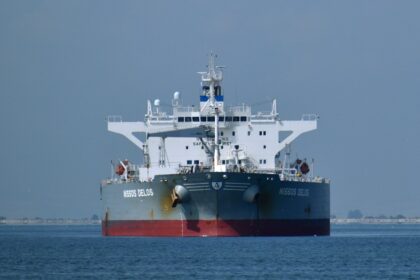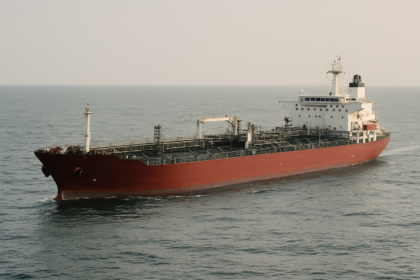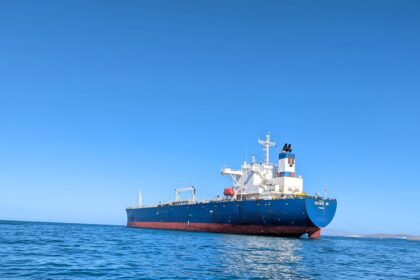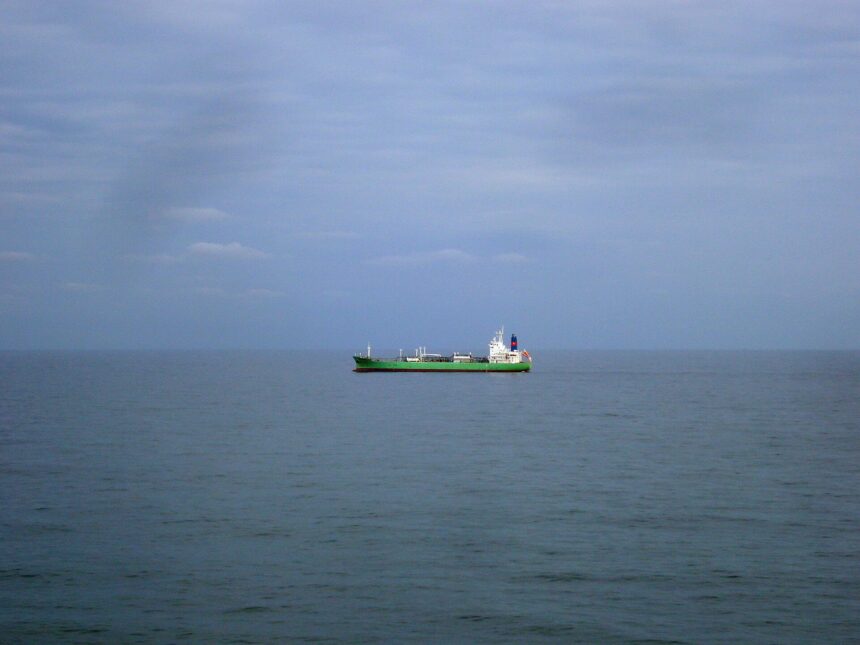
On November 16, the LPG tanker TARA GAS, registered under the Panama flag, fell victim to repeated attacks in the Strait of Hormuz, resulting in one missing Indian crew member and two others injured. Following the incidents, the 25-person crew was forced to evacuate the vessel due to severe damage caused by the strikes.
India’s Ministry of External Affairs confirmed that 21 of the 24 Indian nationals aboard were successfully evacuated to Khasab, Oman, while two of the injured crew members were admitted for medical treatment. Ongoing search and rescue operations are focused on locating the missing seafarer.
The Incident
According to UK Maritime Trade Operations (UKMTO) Warning 208-26, the first attack on the TARA GAS occurred at approximately 1900 UTC, approximately seven nautical miles north of Khasab, leading to an engine-room fire. Initially, reports indicated that the crew was safe; however, subsequent updates revealed a second strike had devastated the vessel, prompting the ship’s abandonment.

India’s Minister of Ports, Shipping and Waterways, Sarbananda Sonowal, identified the vessel in this instance and noted that the attacks, attributed to missile strikes, came amid ongoing tensions with regional ramifications in commercial shipping.
Market Impact
The attacks on the TARA GAS represent a significant escalation in security risks in the Strait of Hormuz, a pivotal corridor for global maritime trade. Vessel movements are likely to face increased scrutiny and disruptions in response to these events, which may prompt operators to consider heightened security measures and potential rerouting strategies.
Moreover, the potential environmental implications from the engine-room fires and the overall condition of the vessel have yet to be ascertained. This incident builds on previous tensions that have plagued the waterway, exacerbating concerns about the safety of maritime routes in this strategically important region.
Operator Response
The Indian Embassy in Muscat is actively coordinating with Omani authorities for rescue operations, prioritizing assistance for the remaining crew. Shipping operators transiting the Strait of Hormuz will need to evaluate the evolving risk landscape and the repercussions of heightened military tensions in the area.
As maritime security agencies assess ongoing threats, the impact of these incidents may reverberate through the supply chain, potentially influencing shipping rates and insurance premiums for vessels operating in the region.
The Operational Read
The TARA GAS incident underscores the critical vulnerabilities of commercial vessels navigating the Strait of Hormuz. Operators must remain vigilant, as events like these not only threaten crew safety but also jeopardize cargo interests and operational timeliness. As tensions continue to rise, a review of security protocols and contingency planning will be essential. Stakeholders should closely monitor developments and consider adaptation strategies to mitigate risks associated with potential escalations in maritime hostilities.