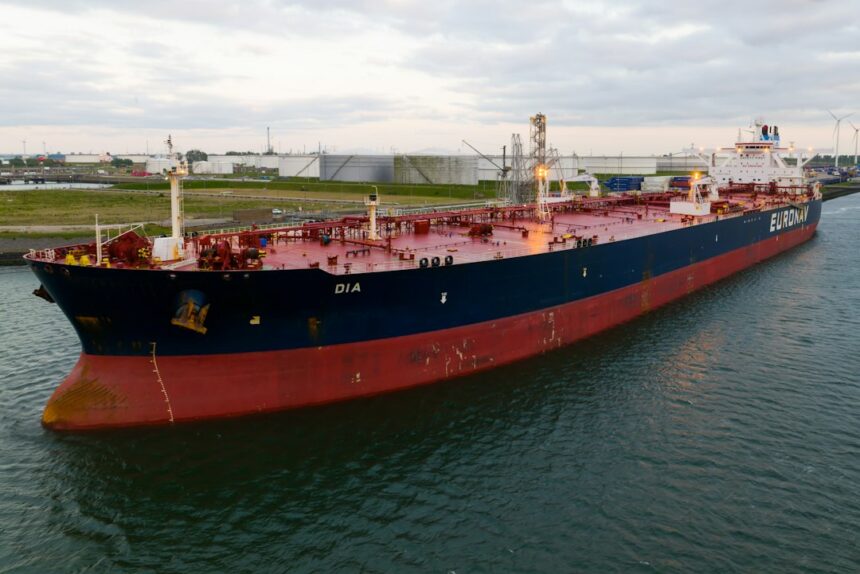
Freight rates for very large crude carriers (VLCCs) have experienced a sharp decline, plummeting 64% from record highs reached in October. According to data from the Baltic Exchange, rates fell to approximately 308 on the Worldscale on November 13, down from an unprecedented 841 on October 8. This dramatic drop underscores a softening demand for shipping services and the unwinding of a geopolitical risk premium that had inflated costs in recent months.
The Market Shift
The reduction in rates correlates with a rebound in oil exports from Gulf producers, which have returned to levels similar to those before the onset of the US-Israeli conflict involving Iran. Enhanced export flows have been achieved through techniques such as ship-to-ship transfers and ‘dark crossings’, where tankers disable tracking systems to avoid detection. Despite persistent hostilities affecting maritime security, Gulf oil exports surged, effectively diminishing the market for alternative crude supplies.
Arrow Shipbroking analyst Delia He noted that the resurgence in Gulf crude exports had, in turn, lessened demand for longer-haul crude shipments from the U.S. and North Sea to Asia. Consequently, there has been a notable reduction in demand for VLCCs operating on those routes.


Impact on Freight Rates
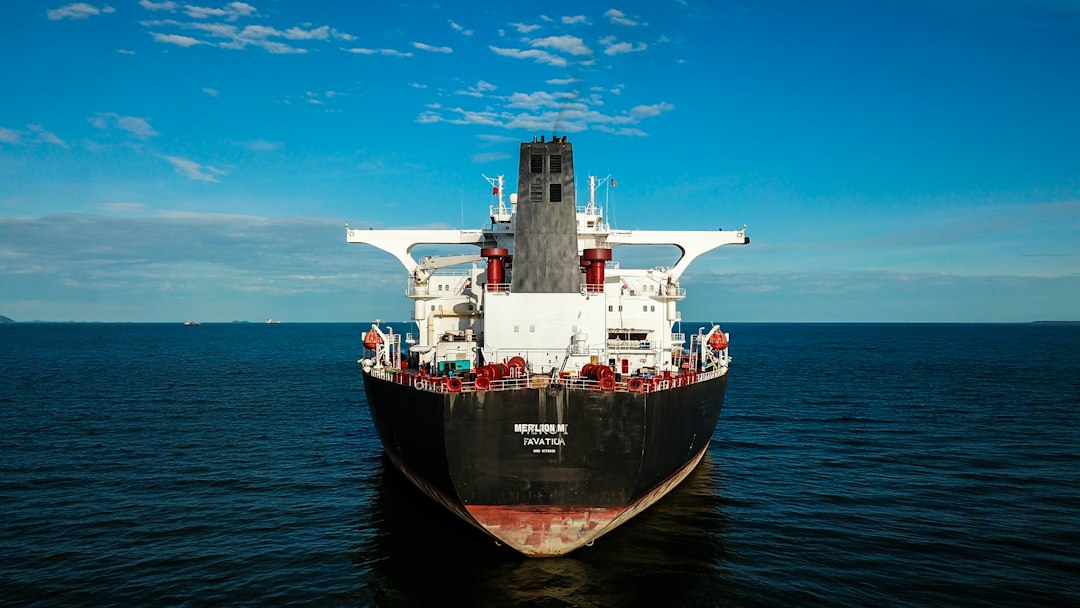
Market analysts from Vortexa highlighted that the oversupply of VLCCs due to increased vessel availability further contributed to the downward pressure on rates. As more tankers complete their journeys and discharge cargoes in East Asia, the influx of available tonnage is expected to exert additional downward force on freight prices.
Moreover, the easing of the geopolitical risk premium, partly attributed to perceptions of a de-escalation in tensions in the Middle East, is a vital factor in the current rate environment. The unexpected drop in oil prices—around 20% so far this month—adds another layer of complexity, reducing the overall economic rationale for long-haul shipments.
Behind the Headline
The recent decline in VLCC freight rates reflects ongoing volatility in the shipping market driven by both geopolitical factors and changes in demand dynamics. For operators and charterers, this presents a dual challenge: the need to adapt to a rapidly changing pricing environment while ensuring efficient vessel utilization. The rise in vessel availability signals potential overcapacity, which could lead to sustained pressure on rates unless demand recovers. Stakeholders should closely monitor developments in regional crude supply and geopolitical tensions, as shifts in these areas will inherently shape future market conditions.