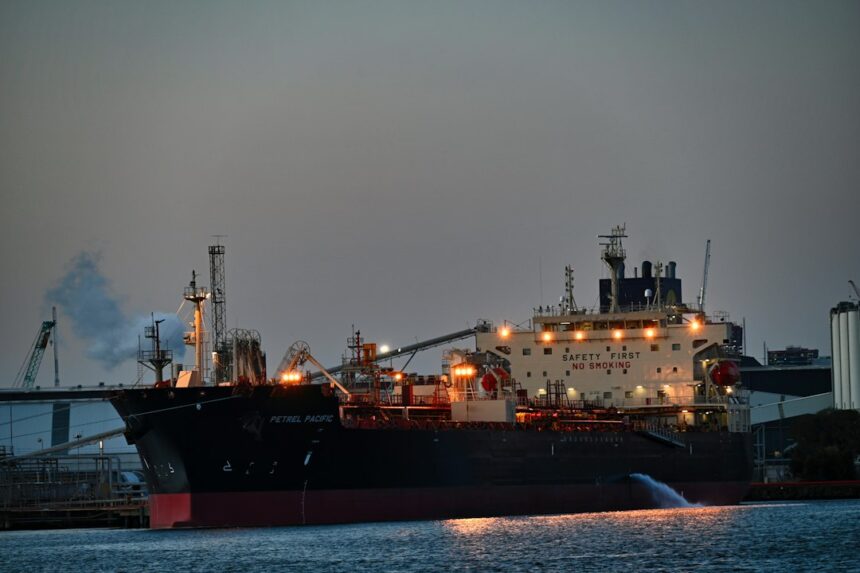
On November 16, 2026, the Directorate General of Maritime Administration (DGMA) of India announced a draft circular outlining non-mandatory training guidelines for seafarers operating on ships utilizing ammonia as fuel. The draft is currently open for stakeholder comments until November 30, 2026, highlighting the importance of input from industry participants.
Draft Circular Overview
The DGMA has proposed guidelines that adhere to the standards prescribed under Part A of the Seafarers’ Training, Certification and Watchkeeping (STCW) Code, 1978. This initiative follows the issuance of DGS (NT/ENG) Circular No. 11 of 2025, which established training and certification protocols for seafarers serving onboard vessels subject to the International Code of Safety for Ships Using Gases or Other Low-flashpoint Fuels (IGF Code).
Regulation V/3 of the STCW Convention stipulates comprehensive training and certification requirements for personnel, including masters and engineer officers, serving on such vessels. The International Maritime Organization (IMO) further supports this initiative, having released interim guidelines for training on ships propelled by alternative fuels, including ammonia, in its Circulars STCW.7/Circ.25 and STCW.7/Circ.27.

Training Competency Requirements
The draft circular seeks to address the knowledge, understanding, and proficiencies (KUPs) needed for both basic and advanced training concerning ammonia as a fuel source. Additionally, it stipulates that personnel must be trained in line with the inherent risks associated with ammonia fuel usage, as defined in the IMO’s MSC.1/Circ.1687 guidelines.
Industry stakeholders are tasked with reviewing these draft guidelines and are urged to provide constructive feedback to enable effective compilation. Praveen Nair, Deputy Chief Surveyor of DGMA, emphasized the importance of following a structured process to enhance safety standards while embracing innovative fuel options.
Why It Matters
The transition to alternative fuels like ammonia represents a significant shift in the maritime industry, necessitating robust training frameworks to ensure operational safety. The proposed non-mandatory training guidelines by the DGMA underscore the increasing demand for qualified personnel equipped to manage the unique challenges associated with ammonia fuel. As the industry adapts to new environmental regulations and seeks to lower emissions, effective training will be critical in shaping operational protocols, safeguarding crew and vessel integrity, and ensuring compliance with international safety standards. Close monitoring of stakeholder feedback will be essential in refining these guidelines to meet operational realities.