Exports of Russian crude on G7-affiliated tankers fell sharply in October, reflecting a strategic shift among Greek operators seeking better earnings and avoiding heightened operational risks associated with regional conflicts. According to data from S&P Global Commodities at Sea and Maritime Intelligence Risk Suite, G7 tankers loaded approximately 906,000 barrels per day (b/d) in October, resulting in a 24.2% share of total Russian crude exports—the lowest level in seven months.
In September, G7 tankers had lifted 1.2 million b/d, accounting for 29.2% of overall exports. Greek operators, as the predominant shipowning nation within the G7 and the European Union, saw loadings plummet to 8.3 million barrels in October from 17.3 million barrels the previous month. This marked the lowest monthly total since December 2024.
Market Dynamics
The decline in Russian crude shipments has coincided with historically high tanker rates in broader markets. Factors contributing to this spike include increased freight demand from offshore transfers in the Persian Gulf and elevated war risk premiums due to ongoing hostilities involving the US and Iran. Specifically, October’s average Suezmax time-charter-equivalent earnings for transporting Russian crude from the Baltic to West Coast India reached $46,257.92 per day, illustrating a significant drop from the Global Suezmax Index.

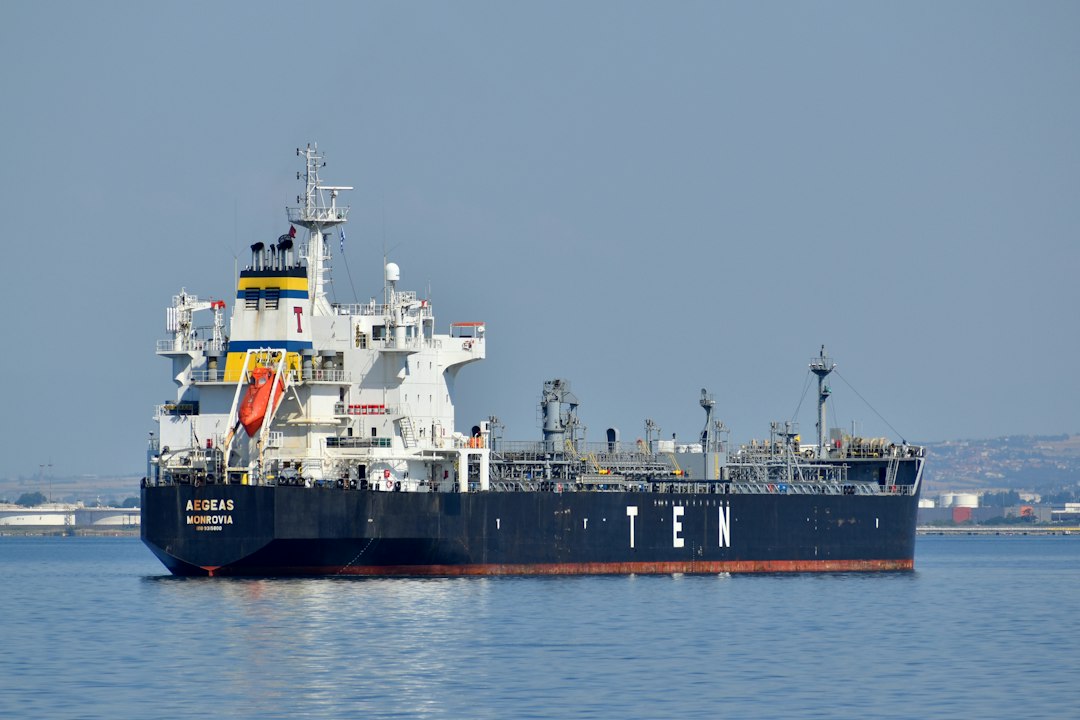
Market analysts attribute this decline in earnings to Greek tanker firms’ strategic decision to pivot away from the Black Sea, where geopolitical instability has intensified. Evidence from CAS/MIRS indicates that only one Greek-operated tanker lifted Russian crude from the Black Sea last month, down from eleven elsewhere.
Shadow Fleet Operations
While G7 tankers are retreating from the Russian crude market, the non-G7 fleet, often referred to as the shadow fleet, remains active. In October, these tankers collectively lifted 2.8 million b/d, slightly down from 2.9 million b/d in September. This fleet predominantly comprises vessels operated by Russian and Hong Kong firms, which aimed to circumvent Western sanctions. Notably, operators from Hong Kong were responsible for shipments of 27.7 million barrels of Russian crude last month.
US Energy Secretary Chris Wright has indicated a potential policy avenue allowing legitimate businesses to obtain sanctioned tankers for non-sanctioned trades, although specific proposals have yet to be outlined. So far this year, a reported 42 tankers have transitioned from illicit trades involving countries like Russia, Venezuela, and Iran into compliant markets. According to CAS analysts, these migrations were quickly integrated into mainstream Middle East Gulf export chains, signaling an evolving landscape for global shipping.
Behind the Headline
The decline in G7 tankers’ Russian crude exports reveals critical shifts in operational strategies among shipping firms, particularly Greek operators reevaluating risk profiles amidst geopolitical tensions. The move away from the Black Sea highlights a broader industry trend where profitability takes precedence over traditional trade routes, potentially reshaping trade dynamics in the region. Observers should monitor how ongoing conflicts and regulatory developments influence tanker markets and shipping operations, as the balance between compliant operations and high-risk routes continues to pose challenges for operators.