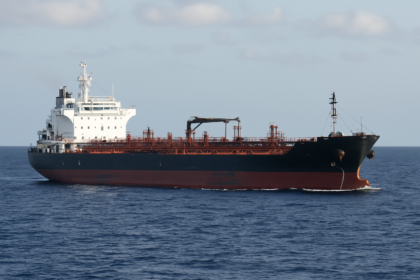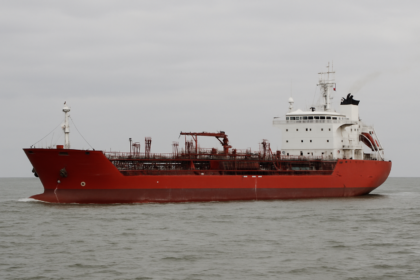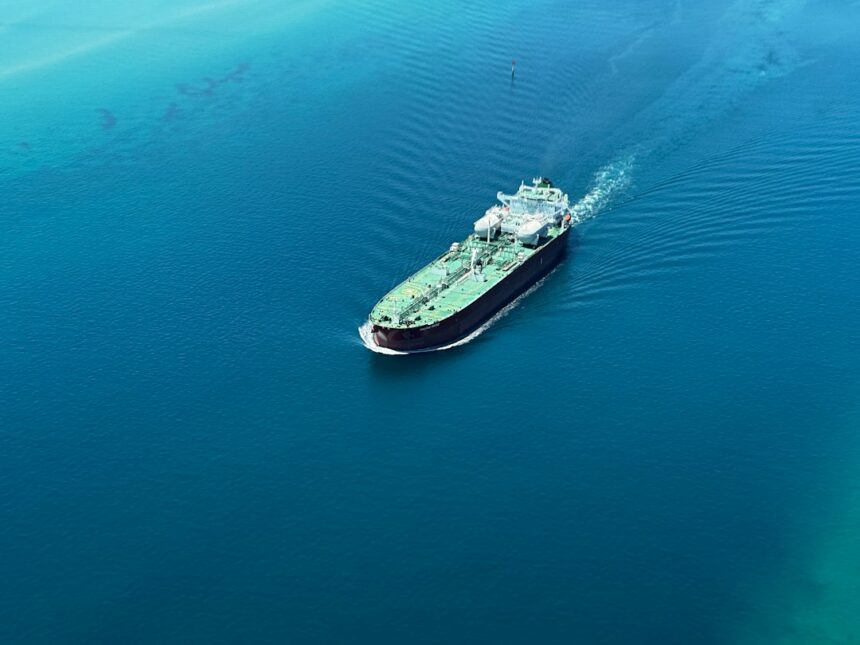
The Malta-flagged tanker Agioi Fanendes, carrying a significant cargo of Russian diesel, has come to a halt off the coast of the United States as its operator remains uncertain about its final destination. According to shipping data from LSEG, the vessel was loaded with 40,000 metric tons of ultra-low sulfur diesel at Russia’s Baltic port of Primorsk on October 22, with an expected delivery date initially set for November 7.
The Greece-based company Eastmed, which manages the Agioi Fanendes, confirmed that the vessel is currently proceeding under a status of ‘awaiting orders’. This reflects a common practice in maritime operations where ships may not declare a destination until final arrangements have been secured, or if prior plans have altered.
Background of the Shipment
This cargo follows a surprising move by former President Donald Trump, who recently initiated a deal with Russia to allow imports of diesel to the U.S. The arrangement aims to alleviate fuel prices ahead of the U.S. midterm elections, marking a significant policy shift since the 2022 ban on Russian oil and petroleum products imposed after the invasion of Ukraine.

Under the new agreement, it was noted that Russia would export 300,000 tons initially, ramping up to 500,000 tons in November and potentially 1 million tons thereafter. However, this has ignited legal concerns, particularly from officials in New Jersey where Democratic Governor Mikie Sherrill has warned local port operators against accepting such shipments. The rejection of Russian diesel imports may have severe civil and criminal implications for any entity involved.
Market and Operational Implications
The halt of the Agioi Fanendes raises questions about ongoing operations for other vessels previously signaling U.S. ports as their destination. Reports indicate other tankers carrying Russian diesel have altered their courses, likely in response to the evolving legal landscape following the Trump administration’s announcement.
As global shipping dynamics continue to shift, operators must remain vigilant regarding compliance with international sanctions. The Agioi Fanendes situation serves as a reminder of the complexities in maritime logistics where geopolitical factors and legal stipulations can dramatically influence shipping routes and vessel status.
Behind the Headline
This scenario underlines the intricate relationship between geopolitics and maritime operations. While the surprise deal by the Trump administration opens doors for limited imports of Russian diesel, it significantly complicates compliance for operators and charterers, especially amid stringent regulations set by previous administrations. The potential legal ramifications for U.S. ports accepting Russian diesel further complicate matters, suggesting that operators may face heightened scrutiny and risk. Moving forward, close attention will be needed to assess how shipping routes adapt in response to ongoing policy changes and the implications for those engaged in this sector.