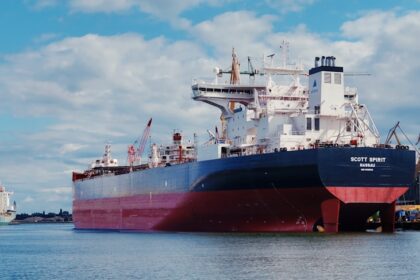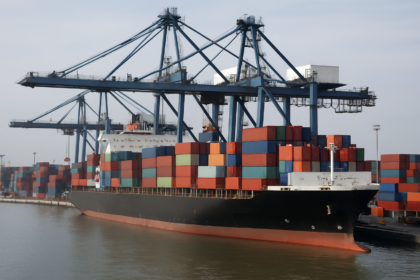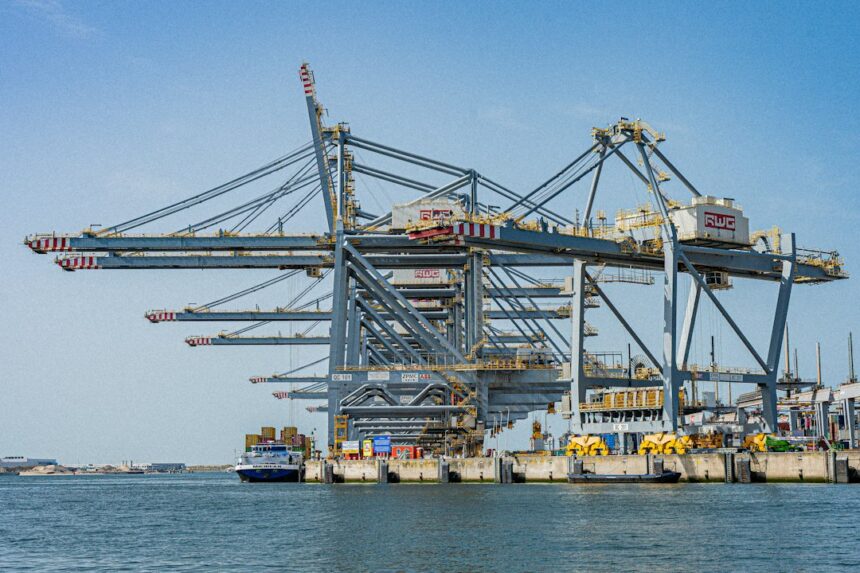
The decarbonisation of the global shipping industry presents a substantial challenge for port authorities, as outlined in Lloyd’s Register’s latest report, “Fuel for Thought: Ports.” The document identifies a critical gap between the rapid ordering of alternative-fuel vessels and the oft-lagging development of essential port infrastructure to support these advancements.
Vessel Demand Outpacing Port Infrastructure
According to the report, 1,942 alternative-fuel-capable vessels were on order as of January 2026, including 1,259 designed to operate on liquefied natural gas (LNG) and 385 on methanol. However, only 25 ports globally are currently equipped to offer methanol bunkering services. This disparity indicates that while the maritime sector is eager to transition away from traditional fuels, the infrastructure necessary to support this shift remains underdeveloped.
Kamran Ul Haq, senior vice president of LR Ports Advisory, emphasized that the readiness of ports must be established well before vessels begin operating. Successful adaptation to alternative fuels depends on proactive risk assessment, regulatory compliance, workforce training, and collaborative partnerships among port authorities, shipowners, fuel suppliers, and emergency services. Ul Haq warned that ports hesitating to invest may fall behind those that act decisively to establish safety frameworks and licensing regimes.


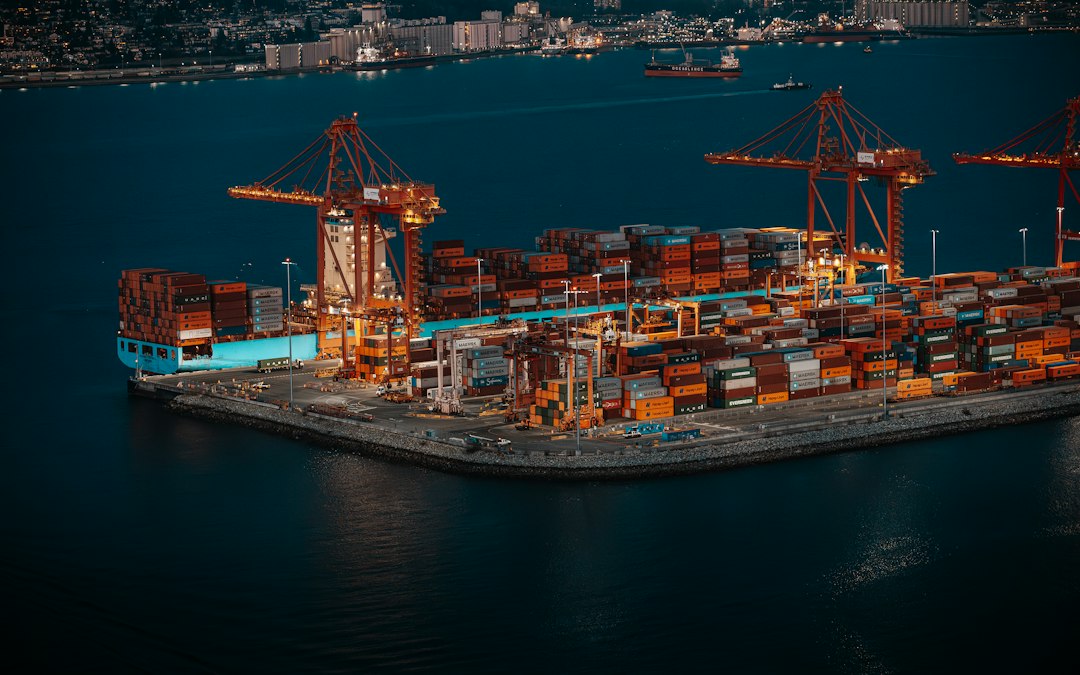
Current State of Alternative Fuels
The report highlights that LNG is currently the most mature alternative fuel, benefitting from an extensive global bunkering network. In contrast, methanol, while gaining traction, remains limited to a few major hubs. Although ammonia has recently seen its first commercial bunkering operations, widespread adoption is still in its infancy, and hydrogen use is primarily restricted to pilot projects and short-sea applications.
Moreover, advancements in the methanol market are evident, with Singapore commencing the licensing of methanol suppliers in January 2026 and Shanghai facilitating a significant biomethanol transfer in August 2026. New international standards are being established, including ISO 22120:2026, the first specification related to methanol bunkering.
Implications for Port Operations
Despite progress, the report indicates that the industry’s most pressing challenge is not merely bunkering technology but ensuring reliable fuel supply. While low-carbon methanol production capacity is expected to reach 61.8 million tonnes by 2031, the operational renewable capacity is only anticipated to be between six to 12 million tonnes, positioning fuel supply as an emerging bottleneck for ports.
In conclusion, ports face a defining decade in navigating the complexities of the fuel transition. The industry requires ports to act proactively, establishing strategic frameworks to accommodate the rapid evolution of alternative fuels and ensuring operational efficiency in the face of an impending paradigm shift.
Behind the Headline
The findings within Lloyd’s Register’s report underscore a critical juncture for the global shipping industry. With vessel ordering trajectories outpacing port investments, the operational reality is that ports must prioritize planning and infrastructure development to remain relevant. The shift towards alternative fuels like LNG, methanol, and ammonia demands not just investment but a comprehensive overhaul of safety and operational protocols. Operators must watch closely for improvements in bunkering capabilities and fuel availability to avoid supply chain disruptions that could hinder the ongoing transition.