On Thursday, the U.S. Department of State announced a significant expansion of sanctions targeting Cuba’s maritime and energy sectors, with direct implications for several Cuban-flagged vessels and associated companies. The sanctions identify five vessels as blocked property while simultaneously opening avenues for potential sanctions against foreign companies engaged in Cuba’s marine industry.
New Sanctions Overview
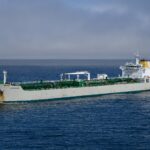
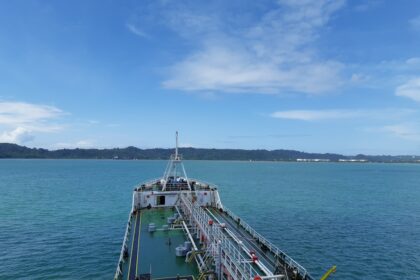
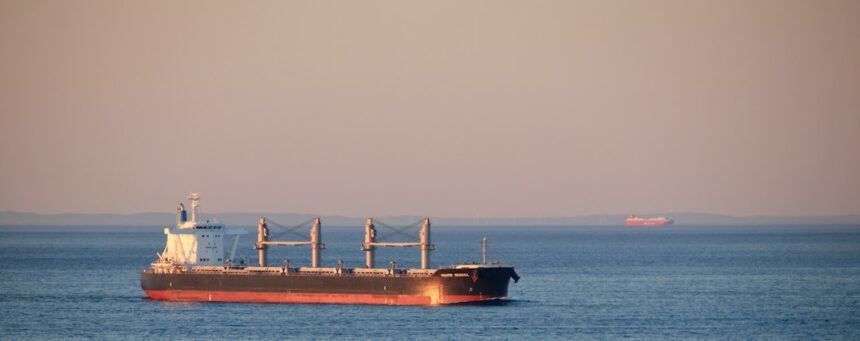
Among the vessels affected are the crude oil tanker Esperanza, the chemical and products tanker Gloria C, and the products tanker Maria Cristina. These vessels are linked to Cyprus-based Caroil Transport Marine Ltd., a company previously sanctioned by the U.S. in 2019 for its involvement with Venezuela. Also targeted were the Panama-based Tentacool Commercial Inc. and the Cuba-based Internacional Maritima SA, which owns the Esperanza.
The new sanctions extend to Petroleos Maritimos del Caribe S.A. (Petromarca), which manages the LPG carrier Emilia and the crude oil tanker Lourdes. These sanctions come as Cuba struggles with severe fuel shortages and frequent electricity outages, making imported energy increasingly critical for the island.


Implications for Maritime Operations
The sanctions not only affect U.S. entities but also impose potential risks for foreign maritime operators and service providers involved in Cuban trade. The U.S. government prohibits U.S. persons from conducting business with designated entities, effectively blocking their property under U.S. jurisdiction.
Additionally, the Treasury Department’s new determination allows for sanctions against foreign individuals engaged with Cuba’s marine, manufacturing, electronics, and technology sectors. As a result, foreign shipping companies may face heightened legal and operational challenges when navigating their involvement with Cuban entities.
Humanitarian Trade Exceptions
While the sanctions are expected to complicate Cuba’s energy trade, it is noteworthy that existing authorizations allowing for humanitarian trade, specifically for food and medical supplies, remain intact. Nevertheless, the overall impact on the financing, management, and operational capabilities of vessels servicing Cuba is likely to increase.
Behind the Headline
The recent sanction expansion by the U.S. against Cuba’s oil tanker fleet highlights the complex interplay between international trade and regulatory compliance in the maritime industry. For operators, the risk of secondary sanctions looms large, necessitating due diligence to avoid entanglements with designated entities. The ongoing fuel crisis in Cuba places further emphasis on the criticality of energy imports, necessitating rapid adaptation in operational strategies for foreign companies servicing this market. Stakeholders should monitor U.S. regulatory developments closely as the situation evolves.