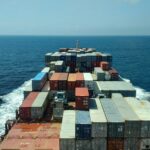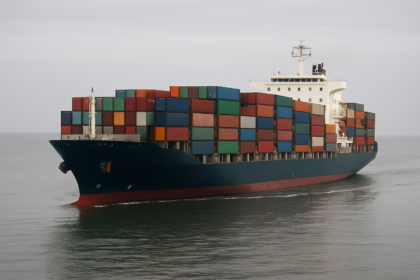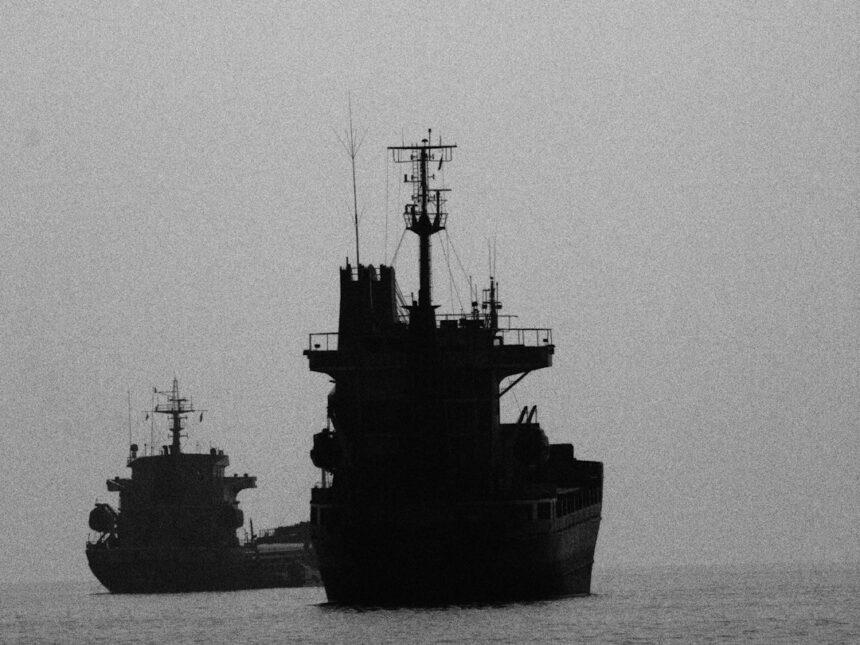
The ongoing conflict between Russia and Ukraine has begun to reshape commercial maritime operations in the Black Sea, with shipping companies reevaluating their engagements in the region. The sinking of the Liberian-flagged Contship Jet off Bulgaria has spotlighted the escalating risks, prompting concerns over the safety of vessels in NATO coastal waters.
Heightened Maritime Security Concerns
Maritime experts are warning of significant operational ramifications as military tensions spill over toward NATO member states, particularly Romania and Bulgaria. Richard Meade, editor-in-chief of Lloyd’s List, noted in a recent briefing that the dynamic is shifting from merely assessing the costs associated with maritime risks to whether shipping operators, charterers, and crews are willing to accept those risks altogether.
A comprehensive report by Ambrey, a global maritime security firm, reveals a staggering total of 696 recorded security events in the Western Black Sea, with approximately 537 incidents occurring within Ukrainian waters. Following the commencement of Operation MoLoChKa, the frequency and intensity of these confrontations have surged, leading to direct attacks on merchant vessels traversing the maritime boundaries of Romania, Bulgaria, Turkey, and Georgia.

The Nature of the Threat
From October 5 to 28 alone, Ambrey documented 10 targeted strikes against vessels at sea, encapsulating eight aerial drone attacks and two assaults by uncrewed surface vessels. All incidents have been directly linked to Russian military action. While Ambrey assesses the direct threat to vessels uninvolved in the conflict as negligible to low, the risks faced by those engaged in search-and-rescue missions have been reviewed upwards from low to moderate, reinforcing the volatile nature of operations in the area.
According to Tomas Alexa, senior analyst at Ambrey, the threat extends uniquely to vessels that have any associative link to Ukraine, whether via ownership, management, cargo type, or prior port of call. The targeting profile suggests that even vessels operating with Ukrainian-related cargo could become potential targets, heightening operational risks.
The attack on the Contship Jet, believed to have been bound for Ukraine, exemplifies this precarious situation. Despite ongoing investigations, there remains no confirmed evidence that the struck vessels were carrying military or dual-use cargo, a claim often leveraged by Russian forces.
Operational Shifts and Industry Response
As attacks maintain a sustained and persistent threat, the ramifications for shipping in the Black Sea are profound. Many operators are beginning to refuse orders to ports in Romania and Bulgaria, reflecting a shift in risk appetite and thus potentially disrupting established trade routes. Ships are being instructed to avoid the marine environment surrounding active conflict zones, resulting in changes to delivery schedules and increased operational costs.
The Operational Read
The volatility of the Black Sea region poses considerable challenges for operators and charterers alike. With an increased likelihood of attacks on all vessels navigating these waters, it is imperative for shipping firms to conduct thorough risk assessments. Operators may need to enhance security measures on board and reconsider port calls, which could further impact supply chain logistics. Going forward, attention must be directed toward operational flexibility and contingency planning to mitigate risks associated with this fragile maritime environment.